Liquid biopsy helps scale back chemotherapy after colon cancer surgery
In the PEGASUS study, published in Nature Cancer, a blood test that looks for traces of tumour DNA decided how much chemotherapy each patient received after surgery. Of those who tested negative and were given less intensive treatment, 83% were still disease-free three years later. The caveat: it is a phase 2 trial with 135 patients, and a larger randomised trial with more than 900 is now under way to confirm it.
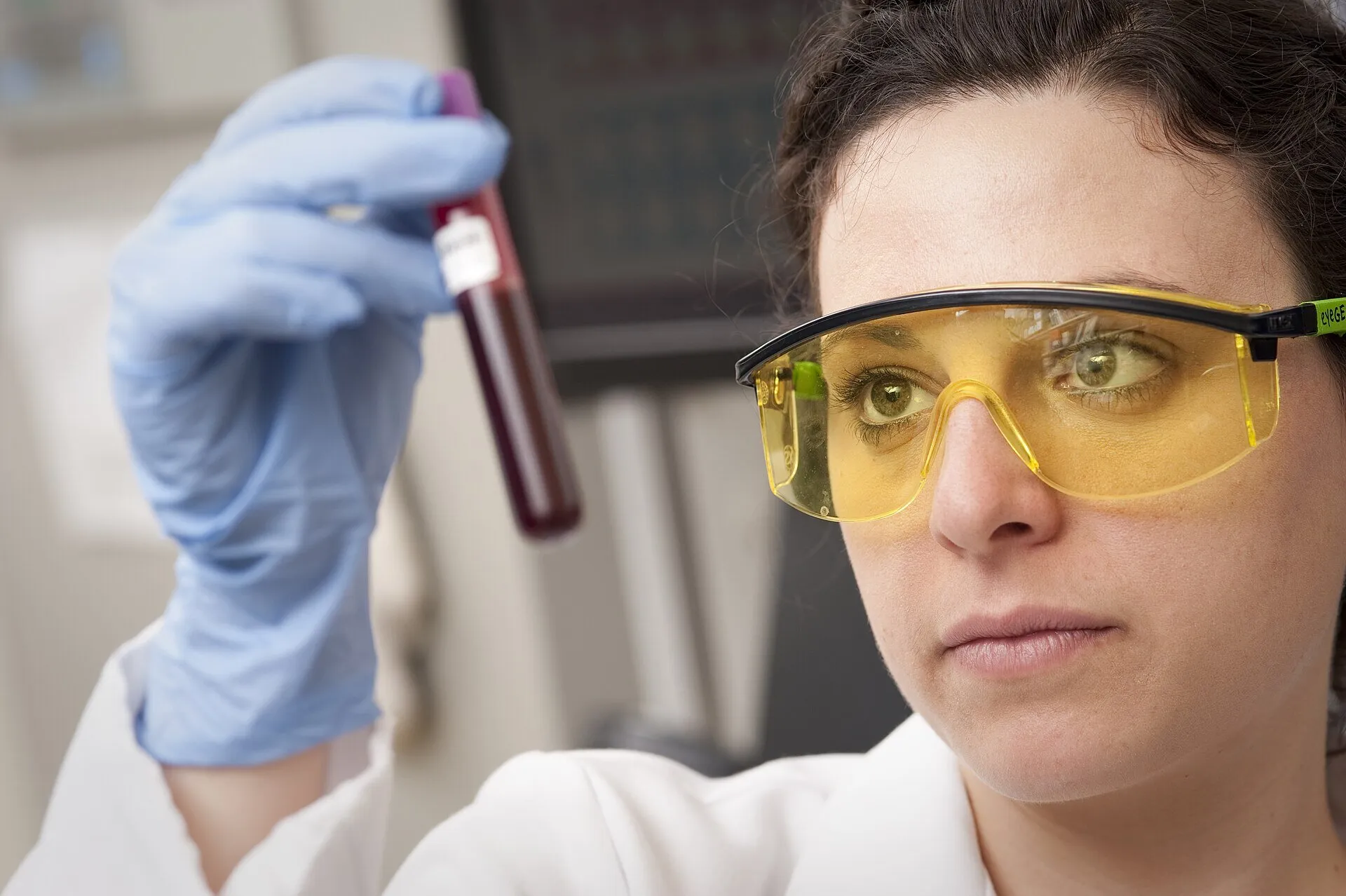
Of the patients whose blood test came back clear, 83% were still cancer-free three years later, and on less chemotherapy. That is the main result of PEGASUS, a trial with 135 people who had surgery for high-risk colon cancer (stage II and III) at 11 hospitals in Italy and Spain, published in Nature Cancer.
It was led by the IFOM institute in Milan, and its principal investigator in Spain is Dr Clara Montagut, head of gastrointestinal oncology at Hospital del Mar in Barcelona. It is a phase 2 trial: confirming that treatment can be safely scaled back needs a larger, randomised trial, which is already under way.
The blood test sets the dose
Today, after surgery, almost all of these patients receive three to six months of adjuvant chemotherapy to lower the risk of the tumour coming back, because there is no way to know who actually needs it. That chemotherapy has side effects that can last for years, such as nerve damage in the hands and feet.
In PEGASUS, treatment depended on a liquid biopsy, a test that looks for traces of tumour DNA in the blood. Patients who tested negative received less intensive chemotherapy; those who tested positive, more intensive treatment. The test was repeated twice more over the following months to adjust the treatment.
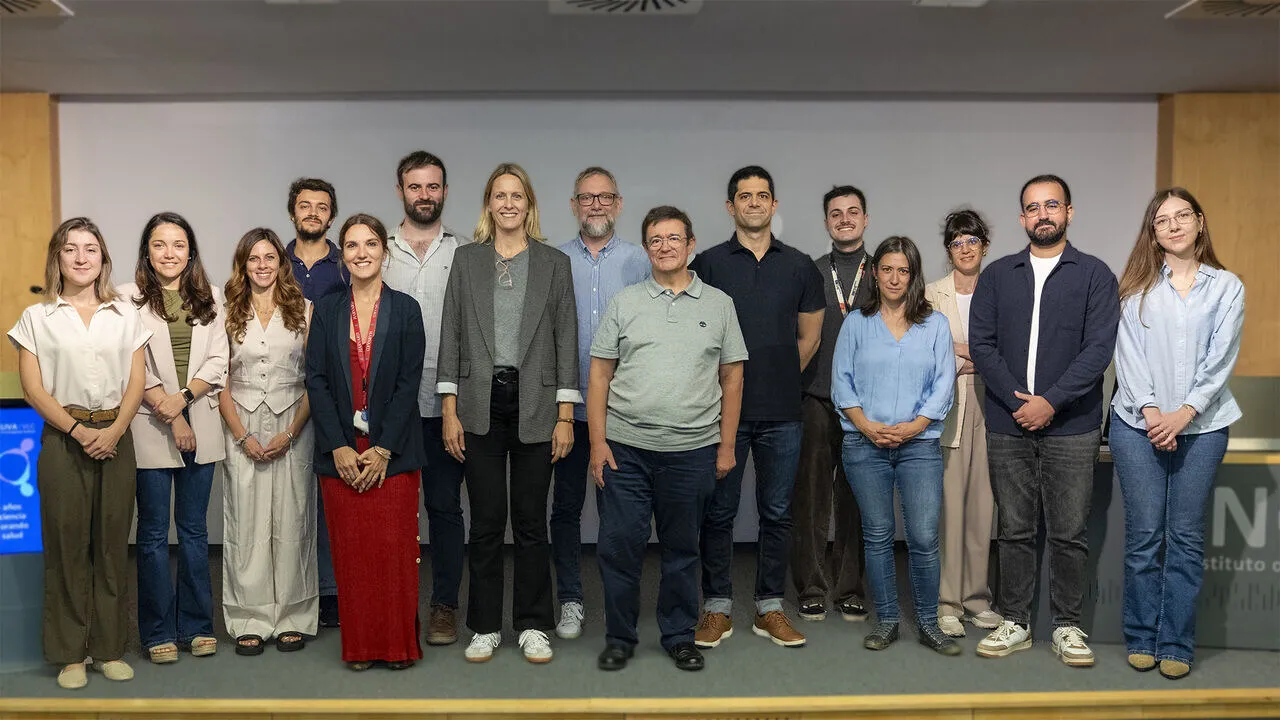 The PEGASUS study team. Photo courtesy of Hospital del Mar.
Three in four, on less treatment
One in four patients (35 of 135) tested positive after surgery. Among those who tested negative, 83% were disease-free at three years and 94% were alive, according to Hospital del Mar, with a clear reduction in chemotherapy-related nerve damage.
Among those who tested positive, disease-free survival was 62%, even with intensified treatment. “In patients with a negative result we can start to explore de-escalated treatment, while in those with a positive result simply intensifying chemotherapy is not enough,” says Montagut.
The test does not catch everything: some recurrences, especially in the lungs, release so little DNA into the blood that they went undetected even with repeated tests.
From Barcelona and Valencia to SAGITTARIUS
In Spain, Hospital del Mar, Vall d’Hebron Hospital and VHIO, ICO-IDIBELL and the INCLIVA institute in Valencia, the third-highest recruiting centre, took part. The study was funded mainly by the Italian AIRC foundation, and the company Guardant Health provided the liquid biopsy tests free of charge.
The next step is SAGITTARIUS, a randomised trial funded by the European Union with more than 900 patients in Italy, Spain and Germany. “We are testing what PEGASUS taught us in a randomised trial on a much larger scale,” says Montagut, its clinical director.
Sources
- Hospital del Mar · PEGASUS study shows liquid biopsy can guide treatment in colon cancer (press release sent to the newsroom, 24 Nov 2026, in Spanish)
- Nature Cancer · Circulating tumor DNA-guided de-escalation or escalation of adjuvant therapy in high-risk stage II and stage III colon cancer: the phase 2 PEGASUS trial