Kenya hands out nearly 10.8 million free mosquito nets to fight malaria
Kenya's government launched its 2026/2027 national bed net campaign in Bungoma on 19 November: 10,791,601 free insecticide-treated nets for 99 sub-counties in 18 high-malaria counties, with next-generation nets where mosquitoes resist older insecticides. The caveat: nets only protect people who sleep under them every night, and malaria remains a serious problem in the country.
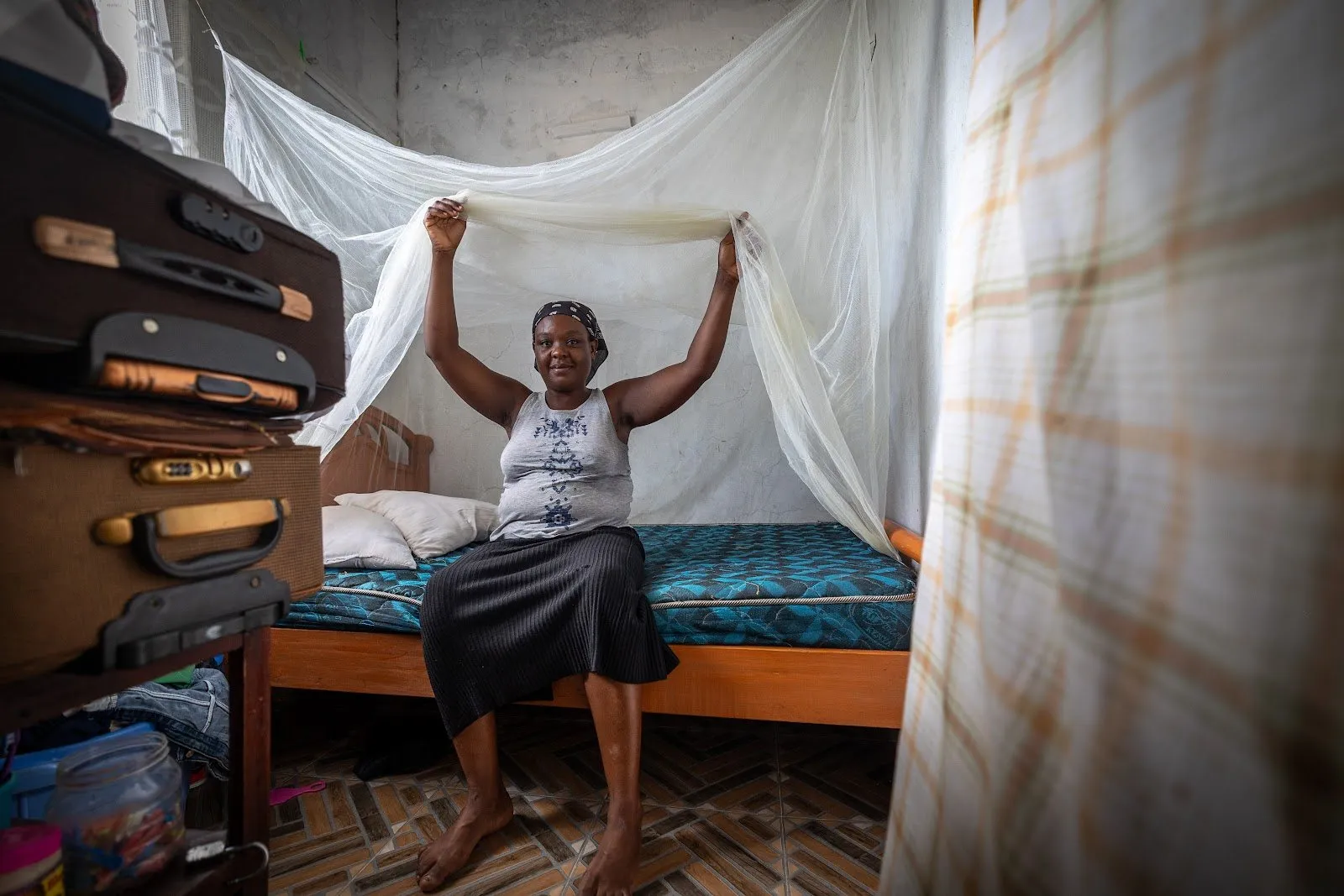
Winnie raises her arms under the white net she has just hung over her bed. She lost a child to malaria, says Genna Print of the World Health Organization’s office in Kenya, who photographed her during the campaign. Her net is one of 10,791,601 that Kenya’s government began handing out free on 19 November.
The 2026/2027 national campaign for insecticide-treated nets was launched at Bayula Stadium in Sirisia, Bungoma County, and will reach 99 sub-counties in 18 counties where malaria hits hardest, according to the Ministry of Health as reported by Citizen Digital. Nets only protect people who sleep under them every night of the year, and that is the first thing officials are asking for.
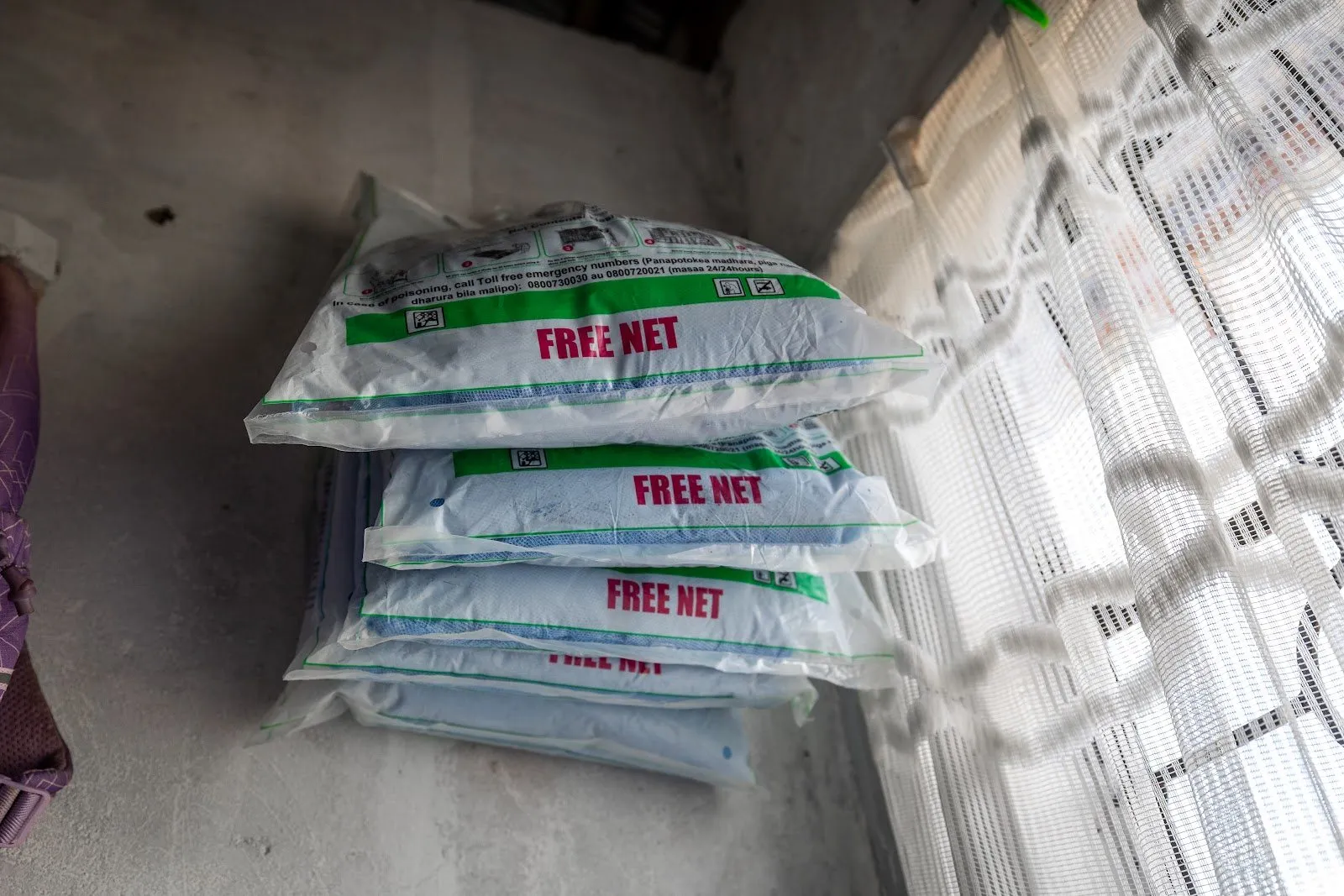
Nets delivered to a family. The bag says it: they are free. Photo: WHO / Genna Print.
New nets where mosquitoes fight back
Allocations are based on population, how malaria spreads in each area and how resistant local mosquitoes are to insecticides. “The campaign will also deploy next-generation dual-active ingredient nets in areas experiencing resistance,” Public Health Principal Secretary Mary Muthoni said at the launch.
The priority groups are children under five and pregnant women, who are most at risk of severe malaria. To make sure each net reaches its household, the campaign verifies homes and tracks deliveries in real time with a digital tool, DigiMal-KE.
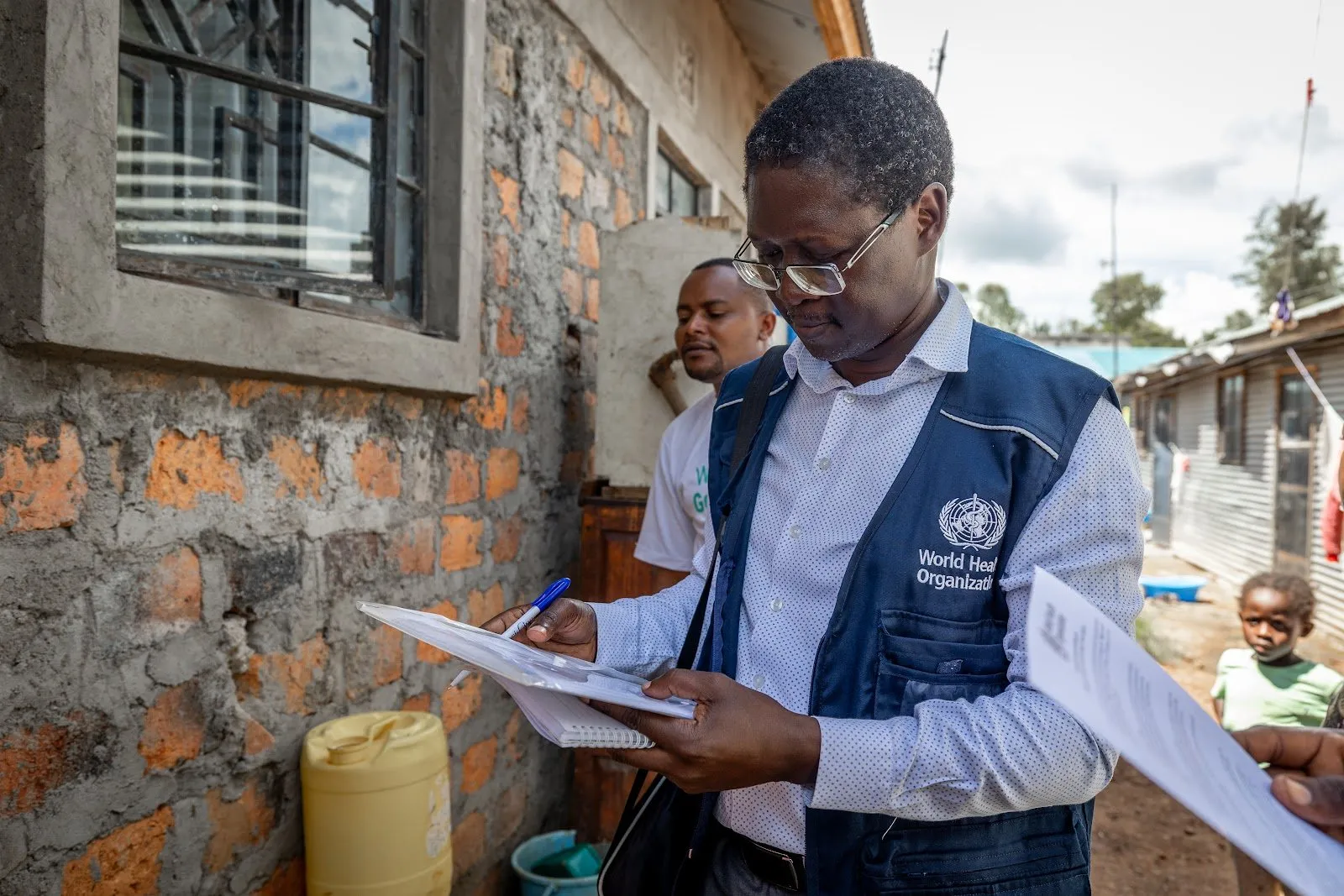
A WHO worker checks the household register. Photo: WHO / Genna Print.
From 5.5 to 3.6 million cases
Kenya has already made progress: according to the Kenya Malaria Strategy 2023–2027 cited at the launch, confirmed cases fell 34%, from 5.54 million in 2023 to 3.64 million in the latest reported year, and incidence among children under five dropped from 194 to 119 cases per 1,000. Even so, malaria remains a serious problem in areas with sustained transmission, which are the ones this campaign covers.
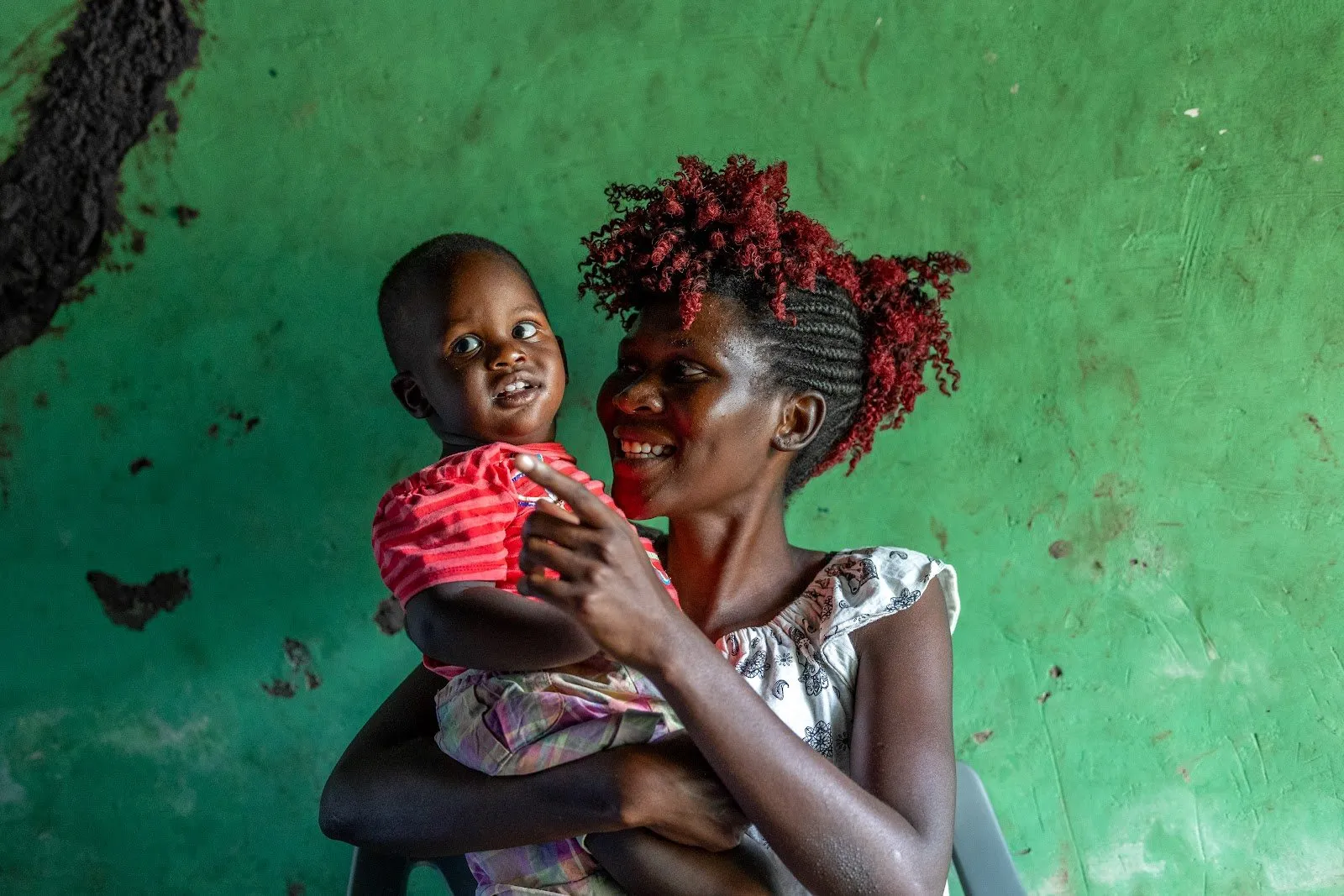
A mother with her baby, one of the priority groups. Photo: WHO / Genna Print.
Officials stress that the nets are free and nobody should pay for them, and that anyone with a fever should get tested and treated promptly.
Sources
- WHO Africa · Kenya launches campaign to distribute almost 10.8 million mosquito nets to families in 18 high malaria burden counties
- Citizen Digital · Gov't to distribute 10.7M mosquito nets across 18 malaria-endemic counties (19 Nov 2026)
- Genna Print (WHO Kenya) · photos provided to Happy News of the Day (email, 23 Nov 2026)