Madrid hospital programme helps families take children on ventilators and feeding tubes home safely
Gregorio Marañón, a public hospital in Madrid, trains carers, rehearses home situations with them through clinical simulation and supports them at home from the first days. The project, “From hospital to home”, won an award at Innovation Day 2026, but no figures have yet been published on how many children it serves or on its results.
A ventilator, a tracheostomy tube, a feeding tube. Some children need these devices to stay alive, and on the day they are discharged they go home with them. To make that step safer, Gregorio Marañón University General Hospital, a public hospital run by the Madrid regional government, has launched a project called “From hospital to home” (Del hospital al hogar). The regional government announced it on 22 October, without yet giving figures on how many children have gone through the programme or what the results have been.
Practising before going through the door
The programme is designed for children with complex chronic conditions who depend on medical technology: mechanical ventilation, a tracheostomy or enteral nutrition, meaning food through a tube. They include children with neuromuscular diseases, severe neurological conditions, heart disease, chronic respiratory illness, rare diseases and complex metabolic or genetic disorders.
According to the hospital, the project rests on five pillars: training carers, using clinical simulation to practise situations they will face at home, coordinating discharge across several teams, providing support at home from the first days, and following each child after they return. The aim is to turn discharge from a formality into “an accompanied, safe and structured transition”.
Five teams around each child
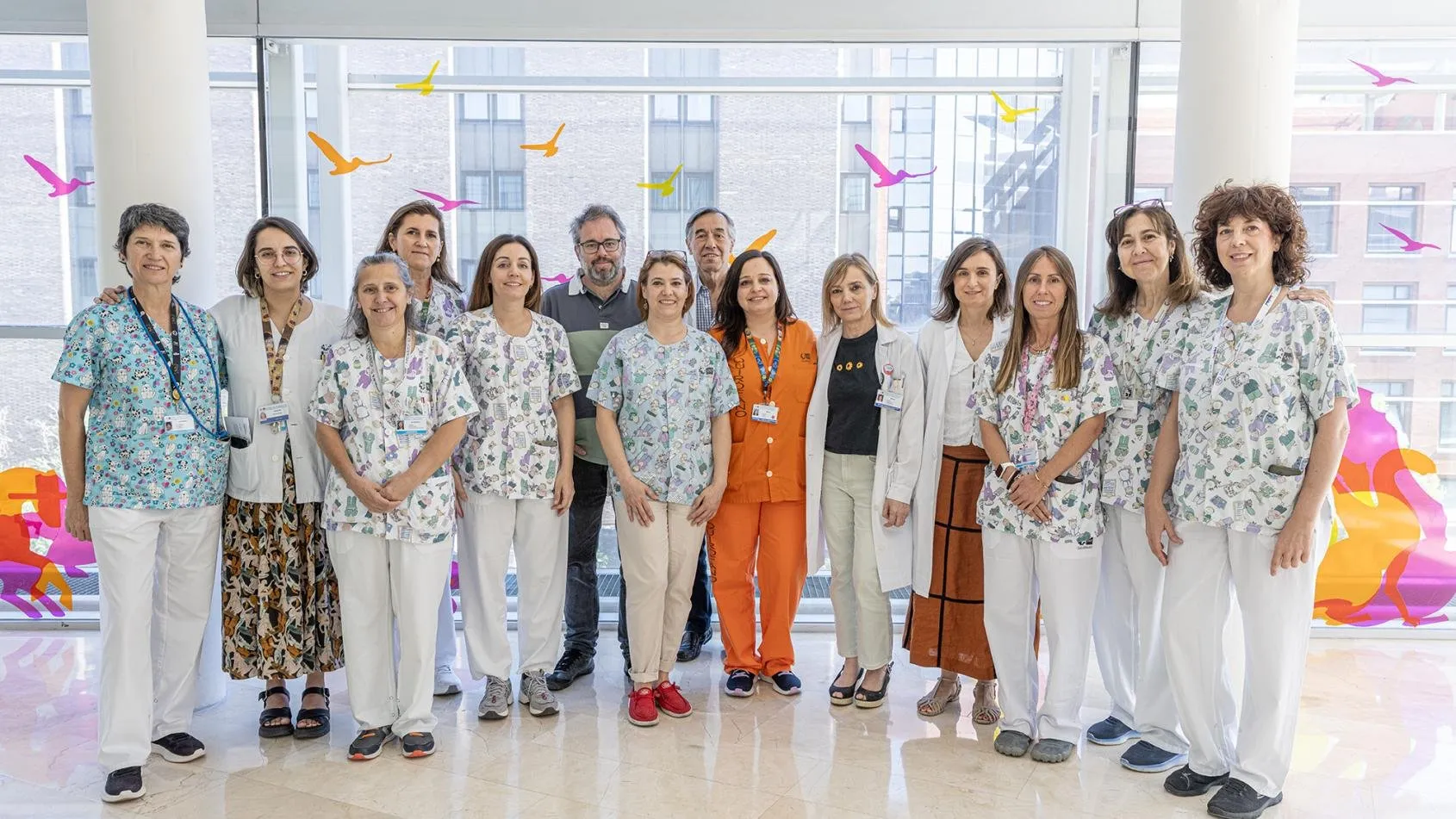
The project brings together the hospital’s paediatric home ventilation support unit, the paediatric intensive care unit, the unit for children with complex chronic conditions, the paediatric hospital-at-home unit and the continuity-of-care nurse. That coordination is what allows care to carry on once the child is no longer in hospital.
What it aims for, and what has not been measured yet
The hospital expects the programme to make the move home safer, cut avoidable adverse events, give families more independence and confidence, and improve coordination between different levels of care. For now these are goals: the announcement includes no figures that measure them. Gregorio Marañón says its model could be used in other hospitals.
The project was one of the award winners at the first Innovation Day 2026, an event focused on innovation in continuity of care.
Photo courtesy of Gregorio Marañón University General Hospital.