Venice's 1966 flood rescue archives are going online
UNESCO and the Fondazione Giorgio Cini are digitising around 110,000 documents and 6,000 photographs from the international campaign that saved Venice's heritage after the acqua granda of 4 November 1966. The work will take about two years, and the material will be released gradually to researchers and the public.
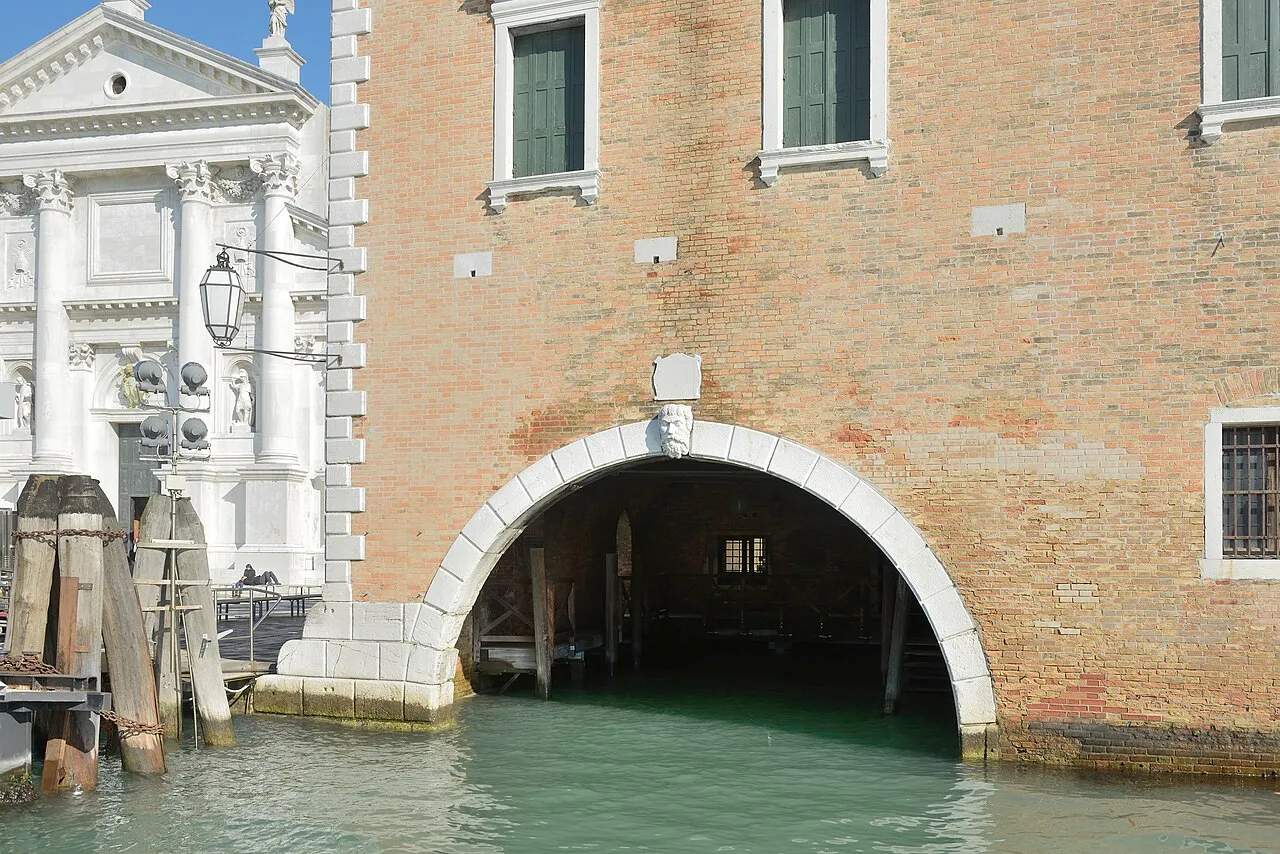
On 4 November 1966 floodwater swept through Venice and caused widespread damage. Venetians called it the acqua granda. Sixty years on, the paperwork behind the effort to save the city is about to become available from anywhere.
UNESCO and the Fondazione Giorgio Cini have started digitising the archive that UNESCO’s Venice office kept on that campaign: around 110,000 documents (studies, surveys, restoration projects and reports) and about 6,000 photographs taken between 1970 and 2017, plus audiovisual material. The work is being done at the foundation’s Digital Centre on the island of San Giorgio Maggiore and will take about two years, so the records will be released gradually rather than all at once.
From one appeal to an international network
On 2 December 1966, UNESCO Director-General René Maheu launched an international appeal to save Venice. It led to the International Campaign for Venice (1966-1992) and a network of private committees from several countries that kept working with UNESCO until 2015. According to Il Nord Est, those committees have funded more than 1,000 restoration projects in the city since 1966, worth around €300 million at 2021 values.
UNESCO opened a permanent office in Venice in 1973, the same year a special law made the city’s protection a matter of national interest. Venice and its lagoon joined the World Heritage List in 1987.
Four fellows and an open archive
The project includes fellowships for four young people to learn archival digitisation and preservation. Magdalena Landry, director of UNESCO’s regional bureau in Venice, said the records show the contributions of many individuals and the professional knowledge behind international cooperation. Gianfelice Rocca, president of the Fondazione Cini, described it as a chance for new generations of researchers to look at these papers with fresh eyes.
The documents will be searchable online, and the photographs and video will go on the UNESCO Archives platform as they are digitised.