Three in four people in Singapore live in public housing, and almost all of them own it
In 1959 only 8.8% of Singapore's population lived in public flats. Today 76% of residents live in a flat from the public housing agency, the HDB, and 73% in one they own. The caveat: it is a city-state where almost all land is public, and resale prices have risen.
In 1959 only 8.8% of Singapore’s population lived in public flats, those of the former Singapore Improvement Trust, according to the National Library Board. Today 76% of residents live in a flat from the public housing agency, the HDB, and 73% in one they own, according to the agency’s own statistics, with data to March 2025. The caveat: Singapore is a city-state where almost all land is public, so the model is hard to copy as it is.
An agency to house a whole country
The HDB (Housing and Development Board) was set up in February 1960 to replace the Singapore Improvement Trust. In 1964 it launched its home ownership scheme: flats were sold below market rates on 99-year leases, according to the National Library Board. Today the agency sells new flats at subsidised prices, and the government offers loans and grants to help people buy them.
More than a million homes
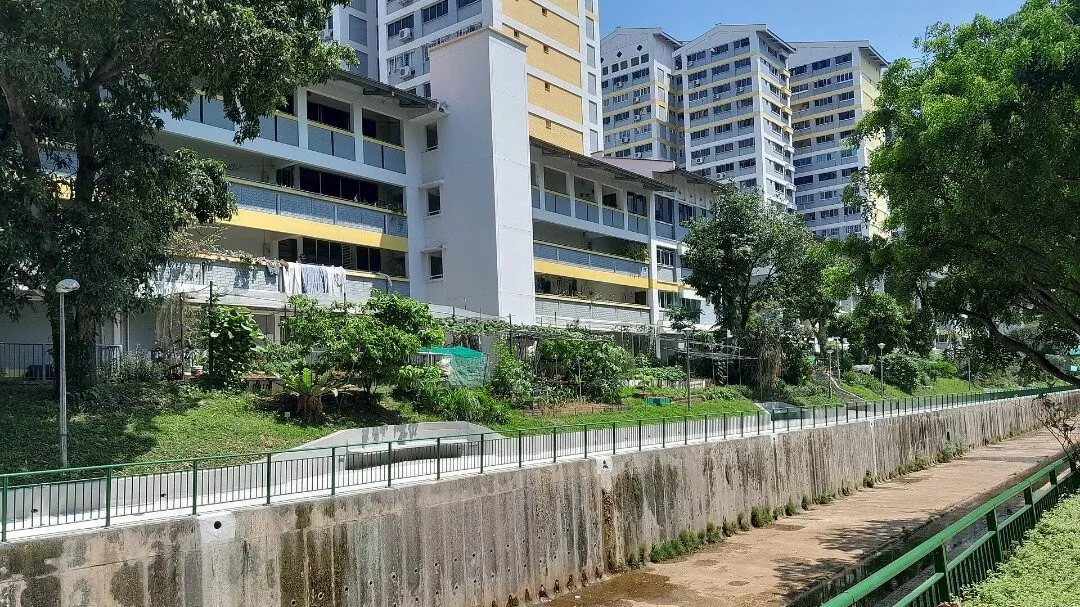
As of 31 March 2025, the HDB managed 1,153,080 homes. Below, one of its blocks, in the Serangoon North neighbourhood.
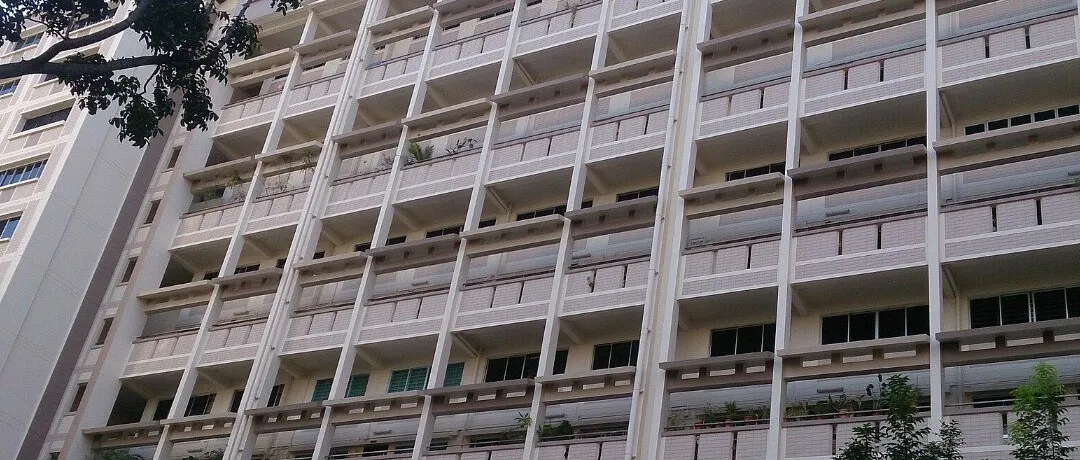 HDB flats in Serangoon North, Singapore. Photo: ProjectManhattan · Wikimedia Commons (CC BY-SA 3.0).
Prices, the other side
Resale prices for these flats have risen in recent years: by 9.7% in 2024 and 2.9% in 2025, the smallest rise since 2019, according to the HDB.
Why this is good news
It shows that public housing need not be only for people who cannot afford anything else: in Singapore it is home for the majority. This is the fifth and final stop on our 11 November housing special.