Finland gives homeless people a home first, and it works
Since 2008, Finland has followed the Housing First model: a flat of one's own with a tenancy, with no preconditions. According to the state housing agency ARA, long-term homelessness fell by about 70% between 2008 and 2023. The caveat: in 2024 the total rose for the first time since 2012.
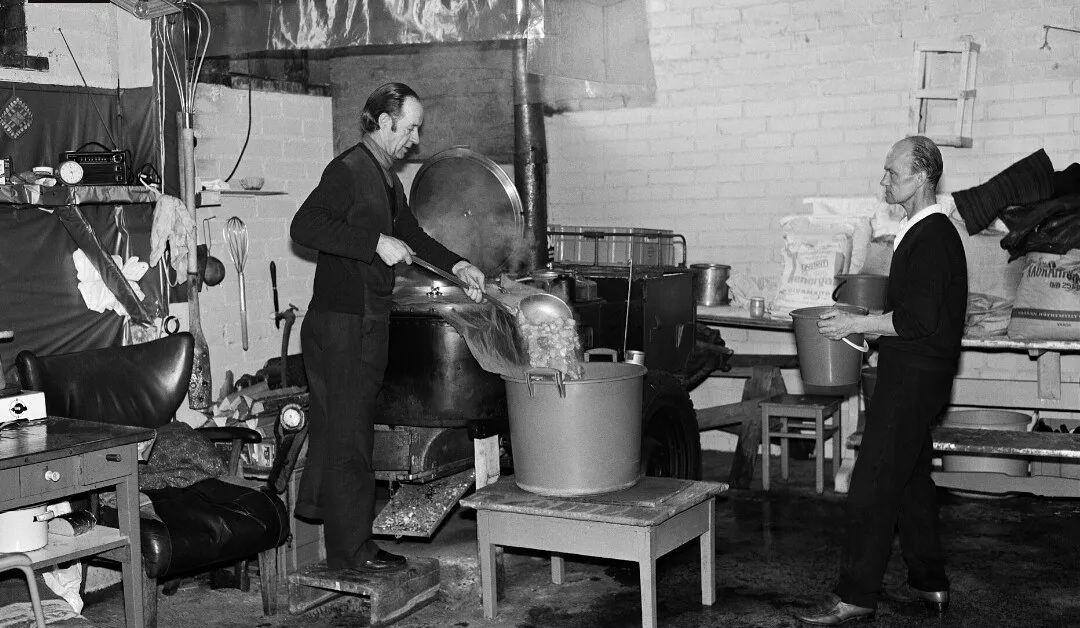
In 1986, Finland counted 17,958 homeless people living alone. In November 2024 there were 3,806, according to the annual count by the state housing agency ARA. The caveat lies in that last figure: it is 377 more than in 2023, the first rise since 2012.
From shelter to front-door key
For decades, the answer was shelters and a staircase system: first stop drinking or follow treatment, then perhaps a flat. Since 2008, Finland’s homelessness policy has been based on Housing First, explains the Y-Foundation (Y-Säätiö), which provides flats for homeless people. People get an ordinary, permanent rental flat without having to be sober first, and support follows, tailored to what each person needs.
Long-term homelessness down 70%
The hardest group, people who have been without a home for a long time, is where it shows most. According to ARA’s 2024 report, long-term homelessness fell by about 70% between 2008 and 2023. In November 2024 it stood at 1,010 people.
Why it has risen again
Municipalities name the main causes as a lack of small, affordable homes, cuts to social security and income support, the cost of housing and living, and more rent arrears, ARA reports. The number of people sleeping rough, in stairwells or in emergency shelters rose 50% in a year, to 694. Teija Ojankoski, CEO of the Y-Foundation, calls it “a worrying signal that decision-makers need to take seriously” and links it to cuts in social benefits.
Why it’s good news
It is proof that homelessness is not inevitable: a whole country has reduced it with one consistent policy for almost two decades. The 2024 rise also shows that the result depends on building affordable flats and catching people before they end up on the street. It is the second stop in our 11 November housing special.