Four white rhinos fly from Europe to Mexico to start a new breeding group
Salma, Moana, Lewa and Wami arrived at Guadalajara Zoo on 21 October from parks in Germany and France. It is the first transfer of white rhinos from Europe's zoo breeding programme to Mexico. It helps keep a healthy population in human care, but it is no substitute for protecting the species in Africa.
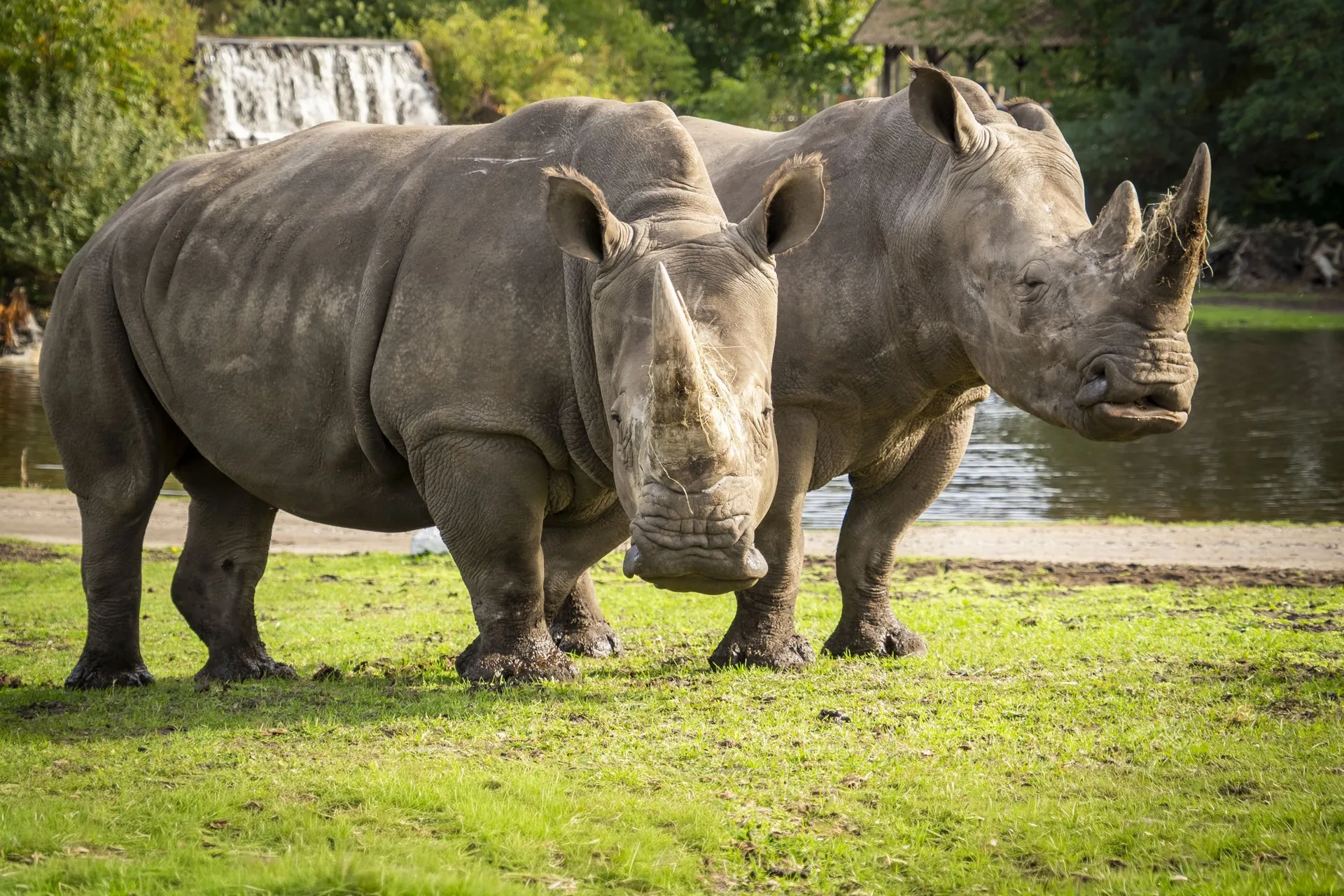
Before boarding the plane, the four rhinos learned to walk into their transport crates on their own. That is how Salma, Moana, Lewa and Wami travelled from Paris to Guadalajara airport, landing in the early hours of 21 October after a journey of about 10,000 kilometres. “The rhinos arrived in good health,” said David Espinosa Avilés, director of medicine and animal welfare at Guadalajara Zoo.
According to Serengeti-Park Hodenhagen in Germany, where two of them came from, it is the first transfer of white rhinos from the European zoo breeding programme (EEP, run by the European Association of Zoos and Aquaria) to Mexico.
Three females and a bull
Salma, born in 2021, and Moana, born in 2016, come from Serengeti-Park, which has bred white rhinos for more than 50 years and counted 55 calves. Lewa, also born in 2021, comes from Safari de Peaugres, and the 15-year-old bull Wami from Paris Zoo. The EEP plans these moves around each animal’s family tree and age, so that calves are healthy and genetically varied.
Guadalajara Zoo has built a new enclosure for them. They are now in quarantine; once it ends they will be introduced to each other gradually and visitors will be able to see them in the zoo’s Safari Masai Mara area.
What a zoo can and can’t do
The southern white rhino is listed as near threatened, and in Africa it still faces poaching and habitat loss. A well-managed zoo population works as a genetic reserve and supports research, but Serengeti-Park itself stresses that protecting the animals and their habitats in Africa remains essential.
The goal in Guadalajara is for the new group to breed in the coming years. Updates are posted on the zoo’s social media accounts, @zooguadalajara.
Sources
- Serengeti-Park Hodenhagen · Press release on the white rhino transfer to Mexico (15 October 2026, in German)
- La Crónica de Hoy · Four white rhinos arrive at Guadalajara Zoo from France (21 October 2026, in Spanish)
- Players of Life · Meet Salma, Moana, Lewa and Wami, Guadalajara Zoo's new white rhinos (21 October 2026, in Spanish)