Colombia's six-step guide helps farmers and wild animals live side by side
WCS Colombia and a dozen partner organisations have published a guide built on more than ten years of work with rural communities. In Cravo Norte, Arauca, home to the critically endangered Orinoco crocodile, villagers built drinking troughs so cattle no longer go down to the river, and watched 114 hatchlings emerge. It is a guide of methods and case studies, not a one-size-fits-all fix.
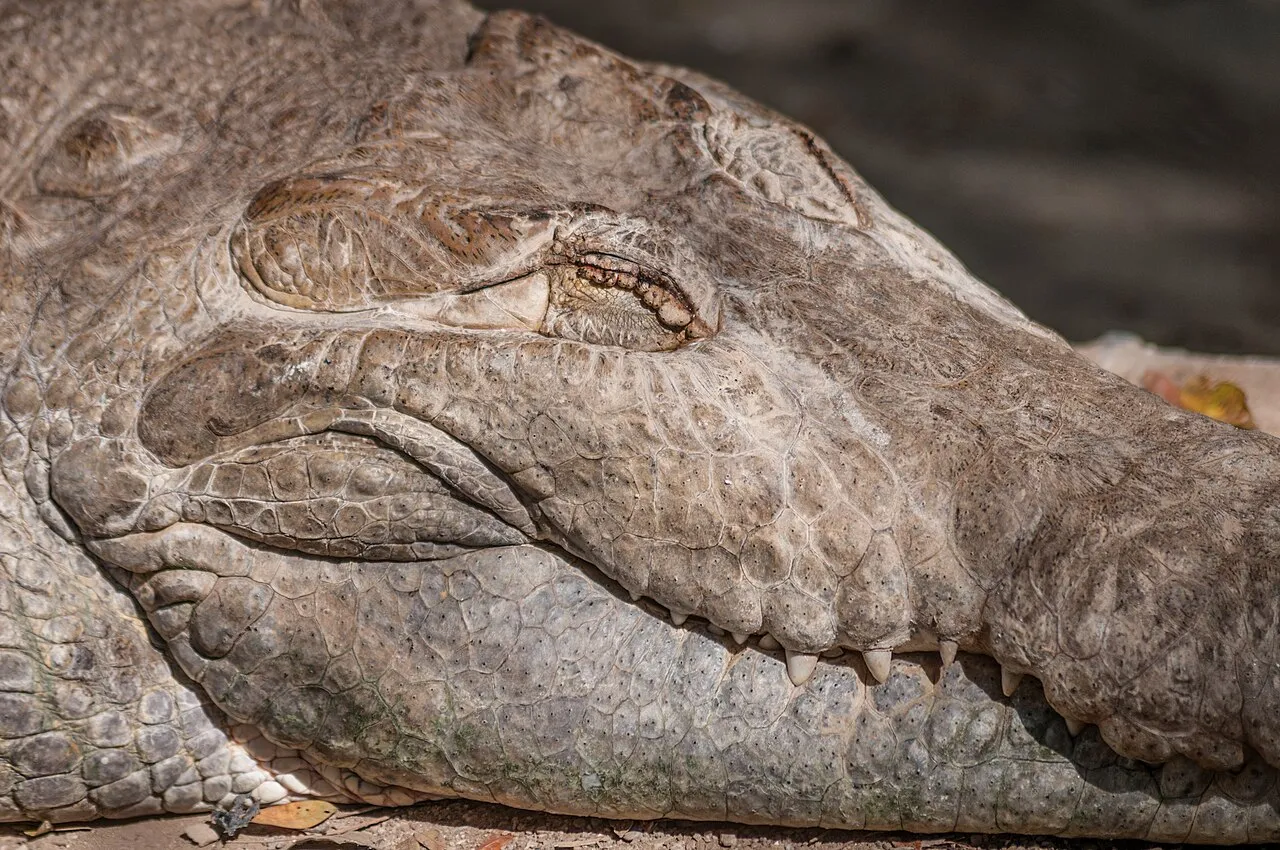
In the village of Los Laureles, in Cravo Norte, Arauca, people thought the river was full of Orinoco crocodiles. Surveys have never counted more than 50 adults of the species, which can grow to seven metres and is critically endangered on the IUCN Red List. With support from the Wildlife Conservation Society (WCS), the community followed the egg-laying season and saw 114 hatchlings emerge, local farmer César Castro told Mongabay Latam.
That experience is one of the case studies in the Guide to Managing Interactions with Wildlife, just published by WCS Colombia with a dozen partner organisations, including Colombia’s National Natural Parks service.
Water troughs away from the river
In Cravo Norte the conflict ran both ways: occasional crocodile attacks on livestock, and crocodiles caught in fishing nets. The first step was simple: troughs so cows and pigs no longer go down to the river to drink. The community has also planned walks to check for illegal fishing gear and environmental education at the village school.
Six steps that can be adapted
The guide follows the Plan4Coex method, which aims to move from conflict to coexistence that can be measured. Its six steps are: assess interactions together with the community, plan, choose indicators, agree actions and who does them, carry them out, and monitor results to fix what is not working. The guide stresses that each place needs its own approach.
It also covers other cases. For the Andean bear, the share of the area the species occupied rose from 52% in 2015 to 76% in 2021, while attacks on livestock fell from four to none. In Villa Claret, Risaralda, around a thousand bats living in an abandoned school were moved to nearby artificial roosts.
According to Germán Forero, scientific director of WCS Colombia, the guide draws on more than a decade of work with communities. It is aimed at community leaders, environmental authorities and decision-makers, and can be downloaded free from the WCS Colombia website.