Species down to fewer than 50 animals can still recover with help
A study by Monash University in Australia and the Zoological Society of London looked at 141 bird and mammal species that fell below 50 wild individuals since 1950. Of the 51 that received direct help, 61% climbed back above 100. Without help, 37% went extinct. The work, published in Proceedings of the Royal Society B, argues that no species should be written off just because so few are left.
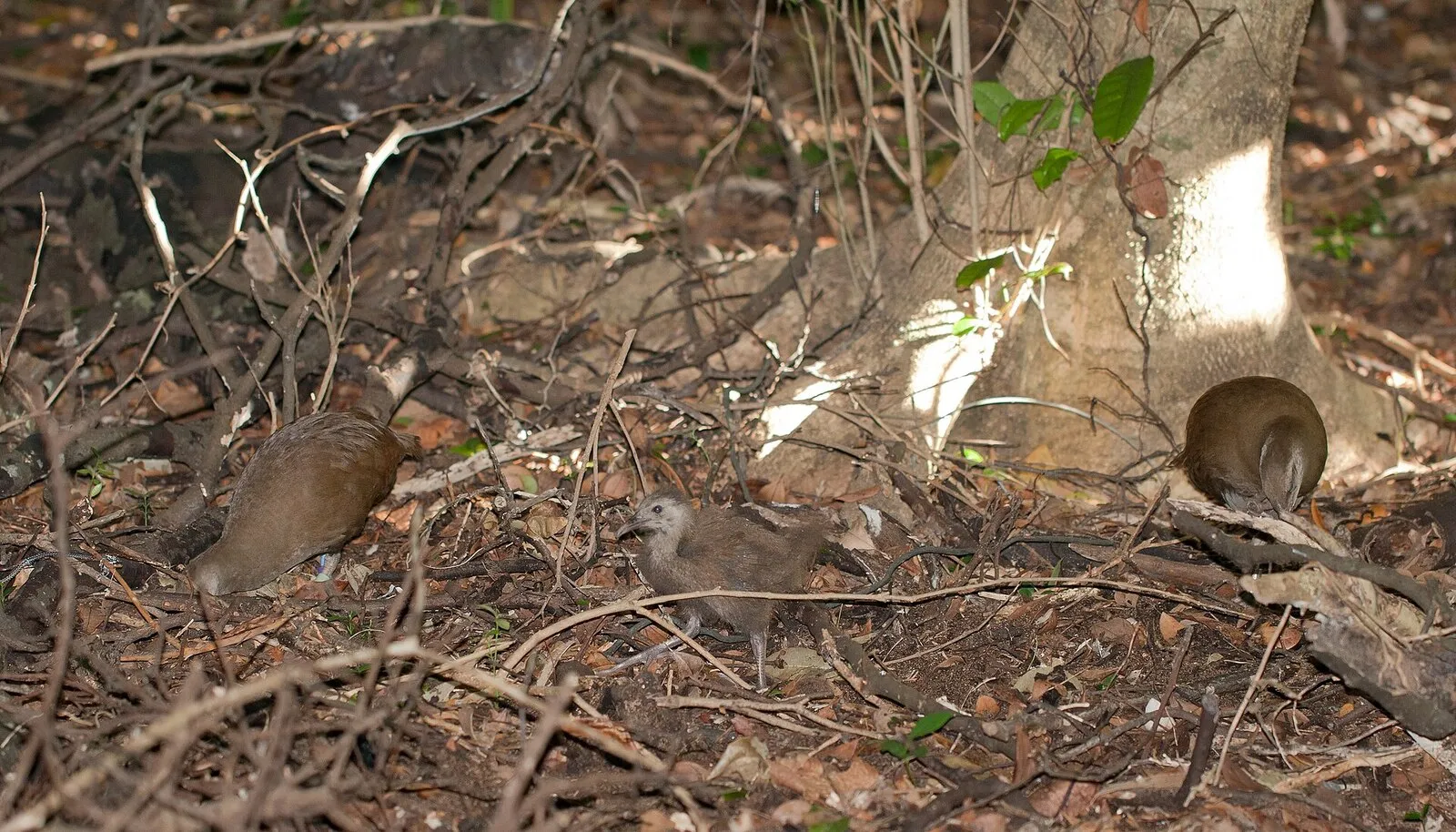
In the late 1970s there were just 23 Lord Howe woodhens left, a flightless bird found only on that small Australian island. Today there are more than 1,600. Their story is not a one-off, according to a study by Monash University and the Zoological Society of London (ZSL) in Proceedings of the Royal Society B.
The team reviewed 141 bird and mammal species that, since 1950, fell below 50 individuals in the wild, a number often treated in conservation as close to hopeless.
With help, six in ten bounce back
Of the 51 species that received direct action, such as captive breeding, moves to safe sites or predator control, 61% recovered to at least 100 individuals. Among those that got no direct help, only 2% did, and 37% went extinct.
The best results came from combining several things: tackling the threat that pushed the species down and managing the few animals that were left.
“Our work shows that population size alone shouldn’t determine whether we give up on a species,” says lead author Donal Smith of Monash University.
What the study does not say
Getting back to 100 animals is not the same as being safe: many of these species remain threatened and depend on continued support. The study covers only birds and mammals.
Still, the message for those deciding where conservation money goes is clear. “Abandoning critically endangered species because their numbers look too low is a mistake,” says co-author Rohan Clarke.