Thirty griffon vultures rescued in Spain get ready to return to Romania's Carpathians
Thirty griffon vultures nursed back to health at wildlife centres in Asturias, Castellón and Lleida are socialising and building muscle at GREFA, near Madrid, before travelling in March 2027 to Obârșia-Cloșani, in Romania's Carpathians, as part of the LIFE for Vultures project coordinated by Rewilding Romania. The species stopped breeding there in the 1950s after persecution and poisoning. The caveat: this is the start of a long process, and the birds will first spend months in an acclimatisation aviary.
They arrived injured or weak at wildlife centres in Asturias, Castellón and Lleida, and now they feed, bathe and squabble for space in a large enclosure at GREFA, near Madrid. These thirty griffon vultures will not return to Spanish skies: they are bound for Romania, to restock a stretch of the Carpathians where the species vanished about seventy years ago.
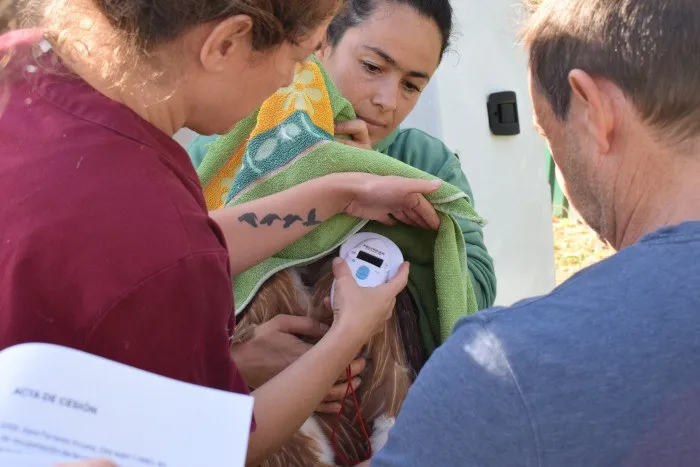
First they have to be strong. At GREFA the birds socialise as a flock and build the muscle they need for long flights; each one gets a vet check and is fitted with a ring and a GPS tag so it can be followed once released. Departure is planned for March 2027, heading to Obârșia-Cloșani, in south-western Romania.
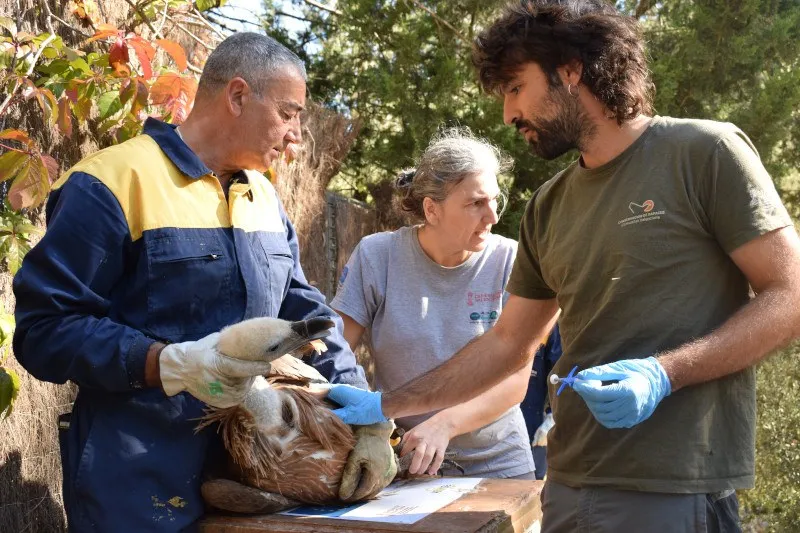 One of the vultures being checked on arrival at GREFA. Photo shared by GREFA.
Why they are missing in Romania
Griffon vultures stopped breeding in the Romanian Carpathians in the 1950s, hunted and poisoned. The LIFE for Vultures project, coordinated by Rewilding Romania, wants to put that piece back in the landscape: large scavengers clear the countryside of dead animals and slow the spread of disease. The birds donated by Spain join others that have already been arriving in the area.
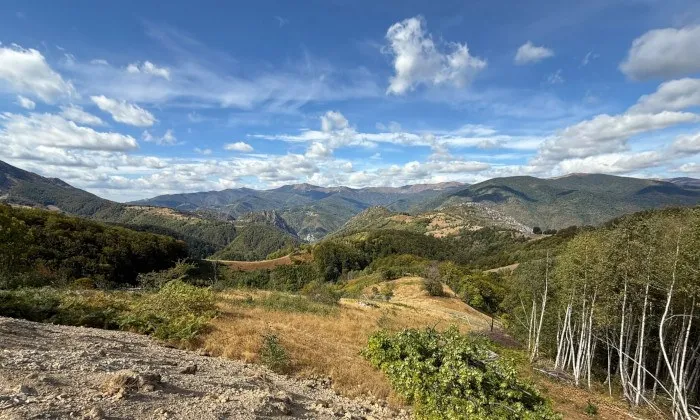 The release site, in the commune of Obârșia-Cloșani, Romania. Photo shared by GREFA.
Months in an aviary before flying free
This is not an immediate release. On reaching Romania, the birds will first spend months in an acclimatisation aviary so they learn the territory before the doors open. It is a slow process, designed so they settle and, in time, breed again where they had disappeared. GPS tracking will show how many take hold.