32 elephant seal pups born at a growing colony in Chilean Tierra del Fuego
WCS Chile has counted 32 southern elephant seal pups this season at Bahía Jackson, in Karukinka Park, on the Chilean side of Tierra del Fuego. In early October there were 104 animals on the beach, 72 of them adults, and no bird flu has been detected. The caveat: it is a mid-season count, and the species is still listed as vulnerable.
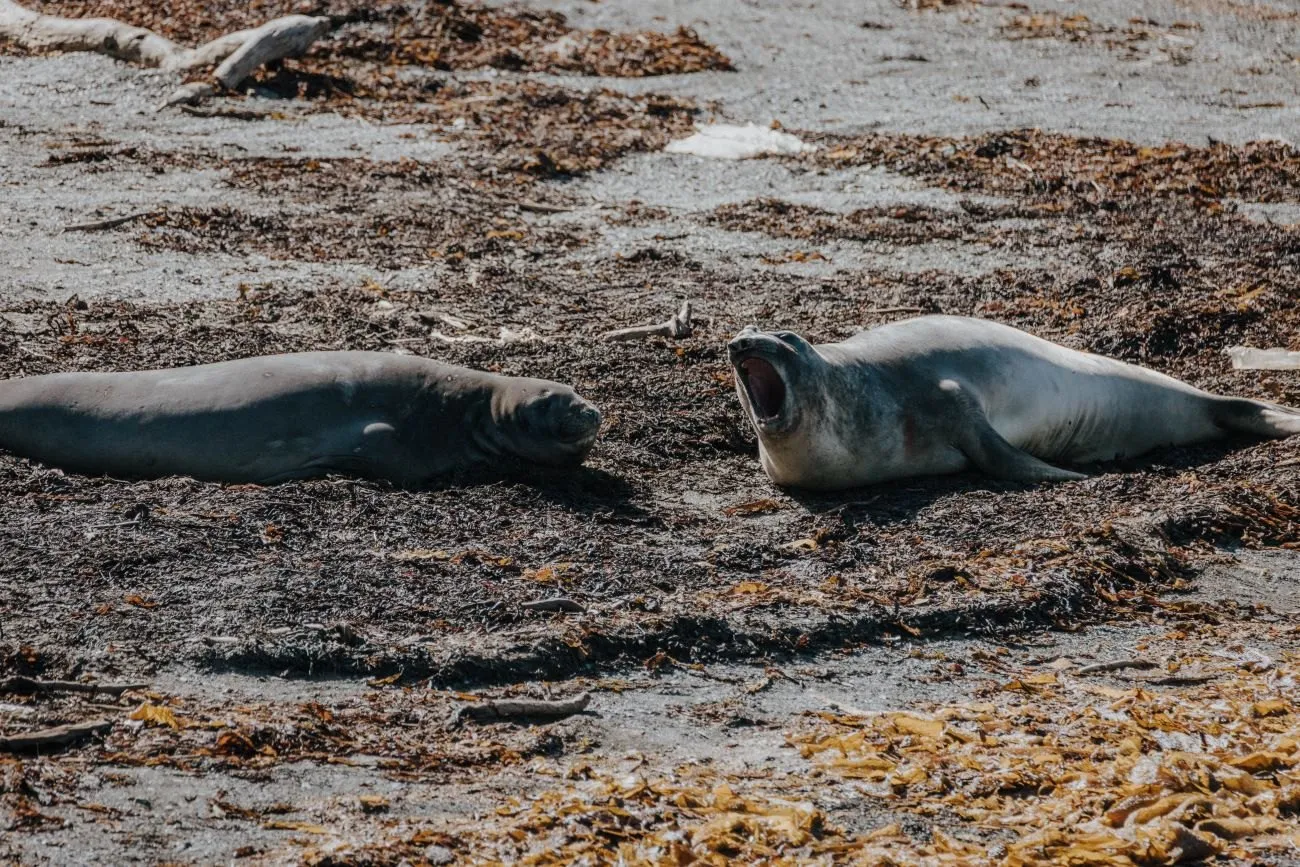
Thirty-two pups. That is the count this season from the Wildlife Conservation Society (WCS) Chile team at Bahía Jackson, a beach in Karukinka Park at the southern tip of Tierra del Fuego. In early October there were 104 southern elephant seals there, 72 of them adults.
Cristóbal Arredondo, who coordinates WCS Chile’s land conservation programme, told the local paper La Prensa Austral that 20 years ago the site was just a resting spot for a handful of animals. Today it is a breeding colony that the team has monitored for more than a decade.
From 27 pups in 2021 to more than 30 a year
WCS Chile’s figures show a slow but steady rise: 27 pups in 2021, 30 in 2022 and 33 in both 2023 and 2024. This year’s 32 is a mid-season count, so it may still change.
Each pup weighs about 40 kg at birth and reaches around 150 kg in its first month, while its mother fasts to feed it. After that it starts diving and finding food on its own.
A colony far from bird flu
In 2023 bird flu hit elephant seals hard on Argentina’s Atlantic coast, killing 97% of the pups in one large colony. It has not been detected at Bahía Jackson. WCS thinks its location helps: inland waters of fjords and channels, far from colonies with outbreaks.
The scare still showed: in 2023 only about 100 elephant seals came back to the area, half the usual number, and in the 2024-2025 summer the count was back to about 200.
The species is still listed as vulnerable, and one colony does not change that. Monitoring continues until the end of the breeding season, when WCS Chile will give the final figure.