Wildlife crossings on a Colorado interstate cut animal crashes by 91%
Five underpasses and 14 miles of fencing on I-25 have sharply reduced collisions with deer, elk and other animals, according to the Colorado Department of Transportation. The figures were released in late September.
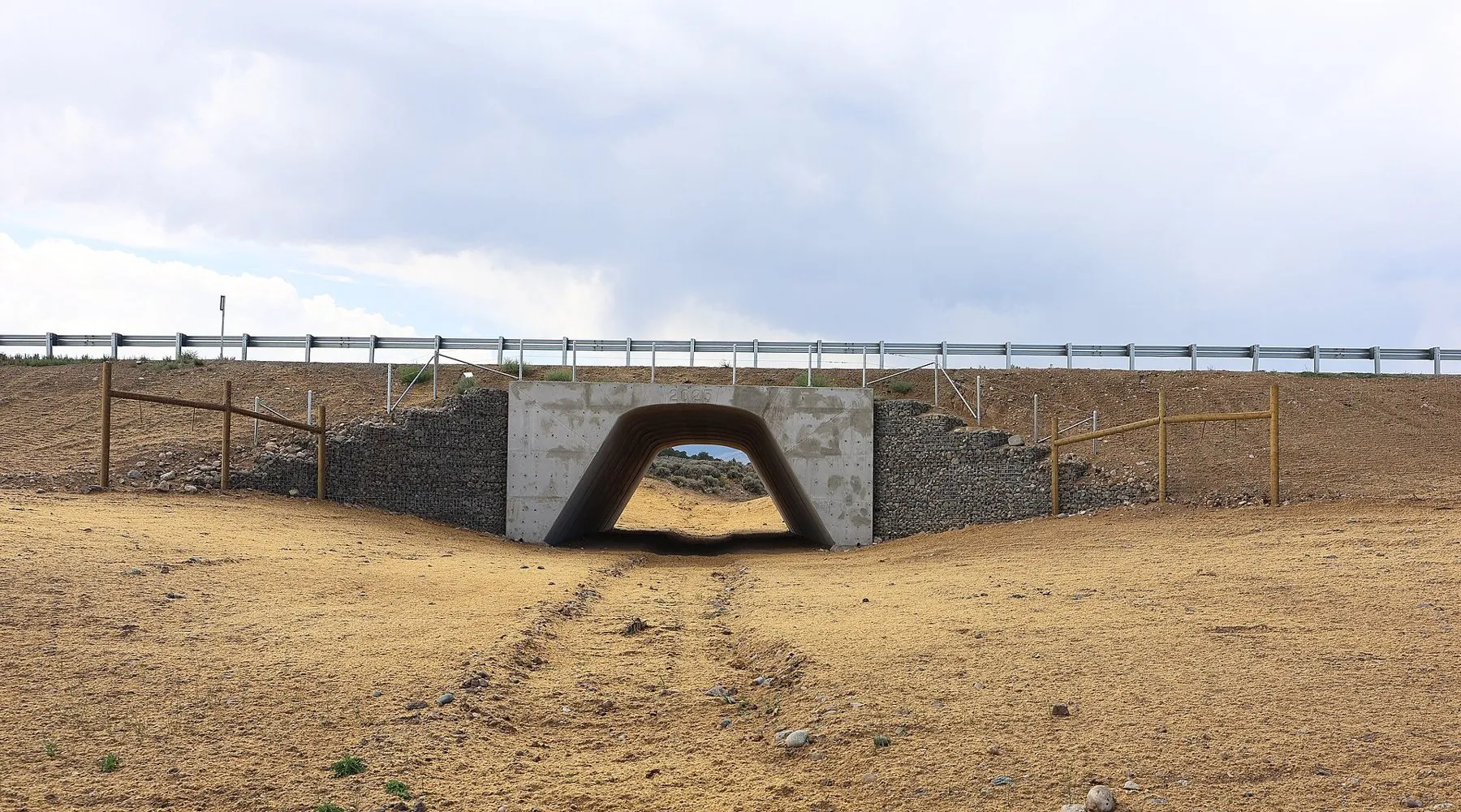
Crossing the interstate is no longer a gamble for Colorado’s wildlife. The I-25 South Gap project between Castle Rock and Monument added five large wildlife underpasses and about 14 miles of fencing on each side of the highway. According to a study commissioned by the Colorado Department of Transportation (CDOT), wildlife-vehicle collisions fell by 85% a year on average – and by 91% in the final year analysed.
This isn’t brand-new: the figures were reported in late September and have gone viral over the past few days.
What was measured
The study, led by ecologist Julia Kintsch, combined crash records and camera monitoring from 2022 to 2024. Before the work, wildlife were involved in about 32 crashes a year on that stretch – the third most common crash type – and the real number was probably higher because many go unreported. Cameras have caught deer, elk, bears and many other species using the crossings, including the federally threatened Preble’s meadow jumping mouse. Total crashes on the stretch also fell 20%, though other road improvements played a part there. “That is a really promising sign,” says Kintsch.
The land bridge is still to be judged
The 91% is not down to the big green land bridge that has drawn so much attention. The Greenland Wildlife Overpass – roughly 209 by 200 feet, planted with grassland and built for $15 million – was finished in December 2025, after the study period. It completes an 18-mile system of crossings and fences and is aimed mainly at elk and pronghorn, which shy away from tunnels. Cameras have already filmed them crossing, but its first results are not expected until spring 2027.
CDOT calls it the largest wildlife overpass in North America, though California says the Wallis Annenberg Wildlife Crossing over US-101 will overtake it when it opens this winter.