Endangered bogong moths are filling Australia's skies again
The species lost an estimated 99.5% of its population from 2017 and was listed as endangered by the IUCN in 2021. This spring its migration is back in homes and streets across eastern Australia – and scientists see a sign of hope.
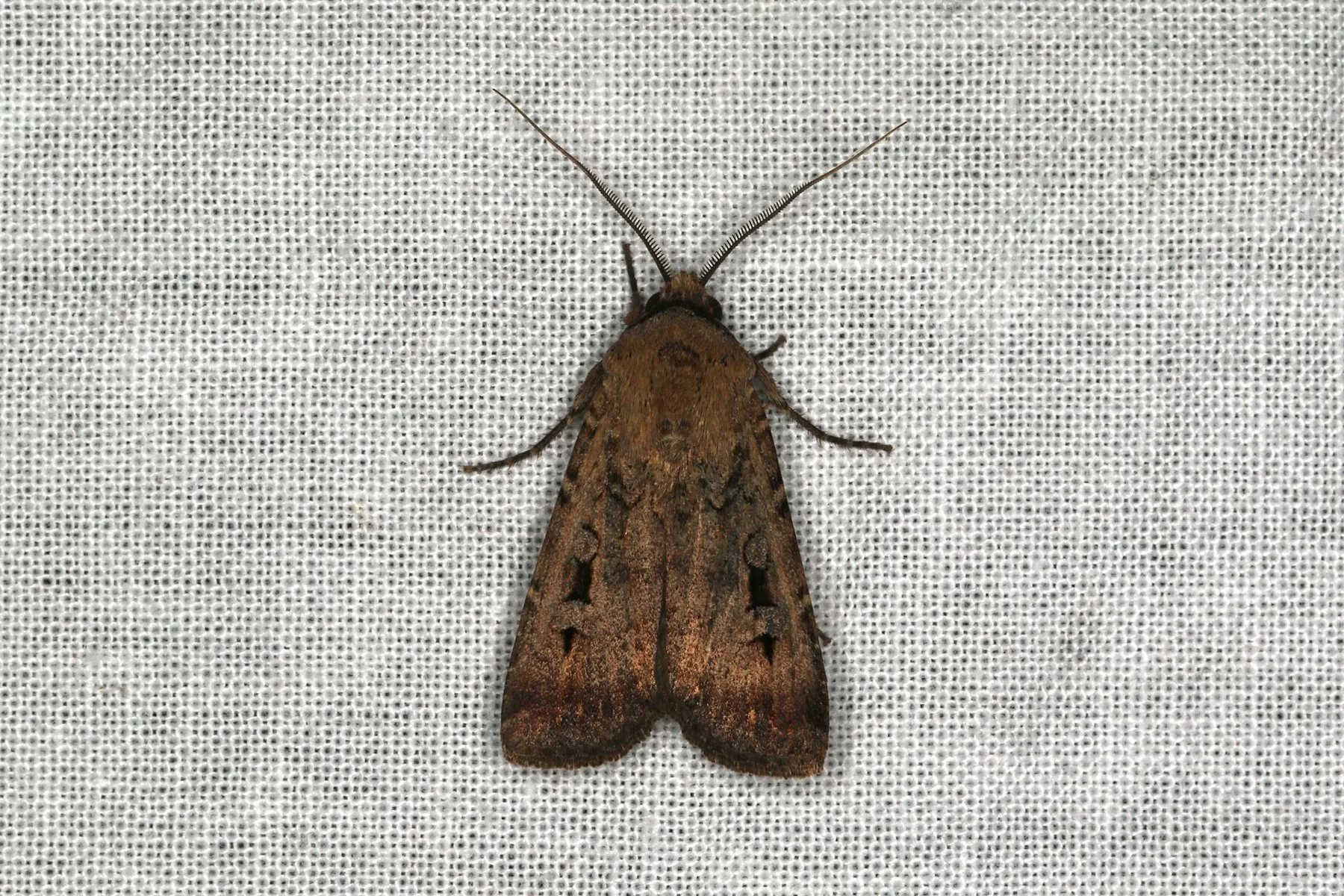
A few years ago they had all but vanished. Now bogong moths are once again finding their way into homes, shops and streetlights across New South Wales and other parts of eastern Australia, and videos of people trying to shoo them out of the window have gone viral. For scientists it is more than a funny moment: the species lost an estimated 99.5% of its population after the droughts that began in 2017, and in December 2021 it was added to the IUCN Red List as endangered.
Zoos Victoria’s citizen science project, Moth Tracker, logged more sightings in a single month this year than in the whole of 2024, its best year until now. Researchers put this partly down to a run of wetter weather.
Why these moths matter
Every spring, bogongs fly up to 1,000km from inland Australia to cool caves in the Australian Alps, navigating by the stars and the Earth’s magnetic field. In a good year more than 4 billion make the trip. They spend the summer there and fly back in autumn.
That migration keeps much of the mountain ecosystem going:
- They are the main food of the mountain pygmy-possum, a 45g marsupial that is critically endangered, with fewer than 2,000 left in the wild. It is Australia’s only hibernating marsupial and relies on the moths when it wakes up. In spring 2018, when the moths largely failed to arrive, more than 95% of females in the worst-hit population lost their young, according to Zoos Victoria.
- Ravens, currawongs, bats and other animals feed on them too.
- On the way they drink nectar and help pollinate native plants.
- They carry a large load of nutrients into the Alps every year.
- For several Aboriginal peoples they were, for thousands of years, a food source and a reason for gatherings and ceremonies.
What’s still missing
Recovery is not guaranteed. Marissa Parrott, a conservation biologist at Zoos Victoria, says many of the moths seen on the coast have been pushed there by strong winds, so not every sighting points to a recovered population. The moths ‘will take time to return to previous levels and are still endangered’, warns entomologist Eleanor Drinkwater of Western Sydney University. A strong El Niño is forecast for the summer, and drought, insecticides and light pollution remain threats. Zoos Victoria is asking people to switch off unnecessary outdoor lights during the migration and to send photos to Moth Tracker.