Scientists engineer a new defence against the fungus that destroys enough rice to feed 60 million people a year
Researchers in the UK and Japan have redesigned cereal immune receptors to spot blast disease. It works in wheat cells so far – whole plants come next.
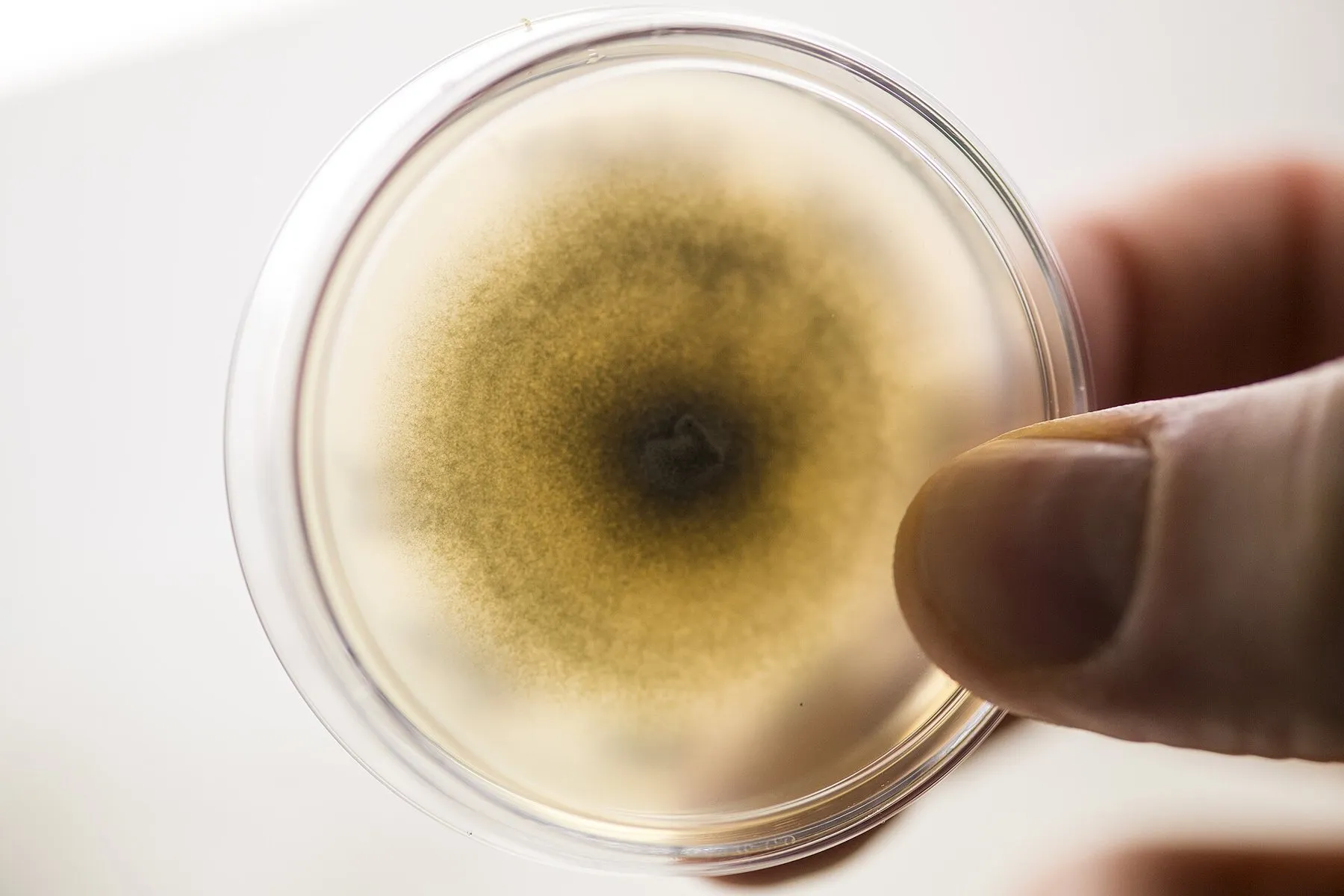
Blast disease, caused by the fungus Magnaporthe oryzae, is the most serious fungal disease of rice: every year it destroys enough to feed around 60 million people. It also threatens wheat and barley in parts of Asia and Africa.
A team at the John Innes Centre in the UK, working with Kobe University in Japan, has found a new way to fight back. They studied an overlooked group of cereal immune receptors called TKPs and found that part of them can latch on to the molecules the fungus uses to infect plants – raising the alarm.
Using biophysics and crystallography, the researchers mapped that contact in detail and re-engineered the receptors to recognise two different fungal molecules at once, a trick known as dual specificity. The work is published in Science Advances.
So far it has only been tested in isolated wheat cells, not whole plants. Greenhouse and then field trials come next – and the authors think stacking these receptors with other known defences could make it much harder for the fungus to break through.