A «Pac-Man» enzyme in forest soil breaks down bioplastics in under a year
German researchers have found the bacterial enzyme that lets forest soil fully digest certain bioplastics. Conventional polyethylene, meanwhile, barely changed.
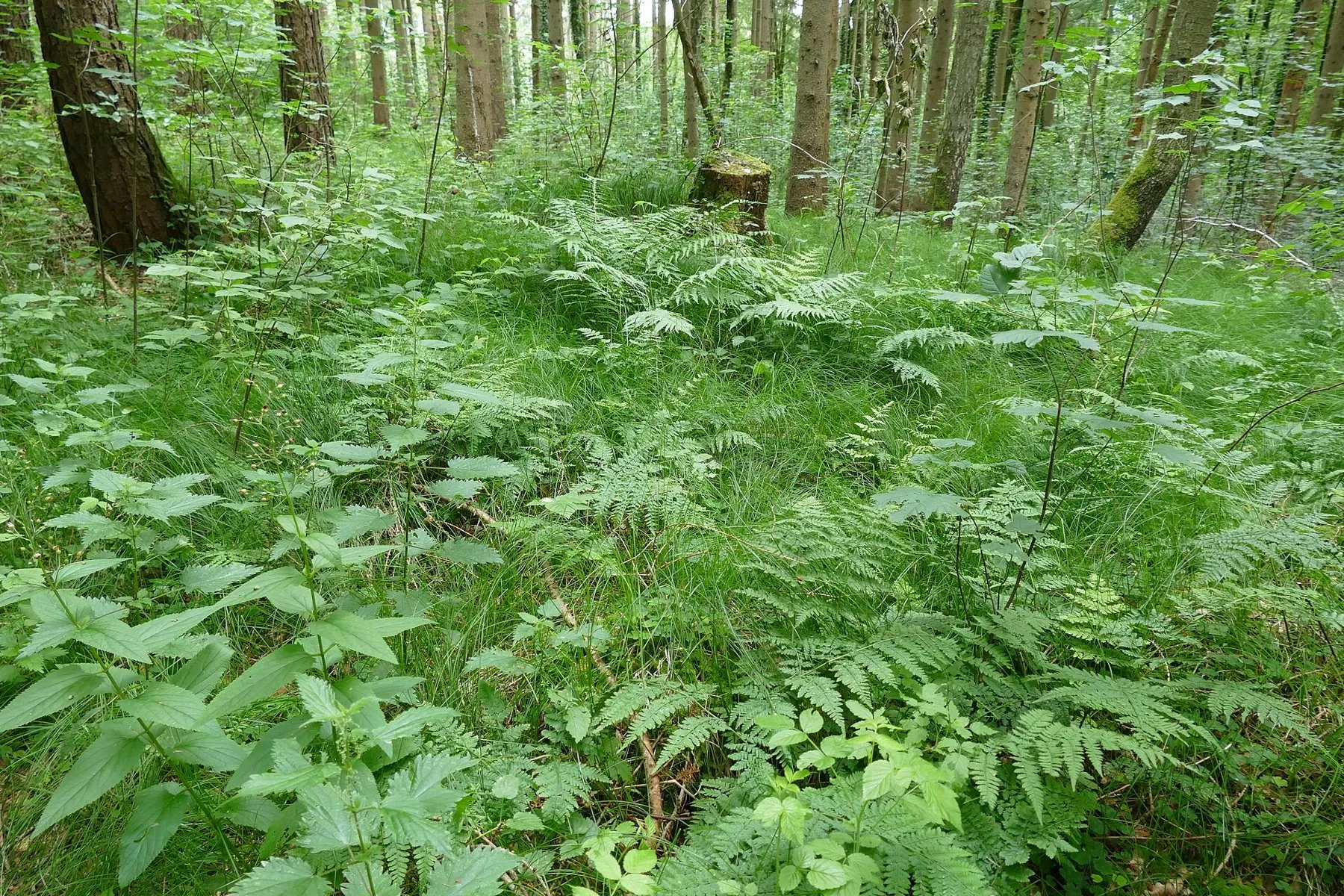
Biologists at the University of Konstanz buried films of bioplastic about 10 centimetres deep in the forest soil of their university’s botanic garden for a year, and ran a matching lab experiment measuring the CO₂ released as the material broke down.
The bioplastics – long-chain polyesters – were fully degraded in around 250 to 330 days. High-density polyethylene, used in many bottles and containers, barely changed.
By analysing the DNA of the soil microbes, the team found the enzyme responsible: a bacterial enzyme working at the cell surface, nicknamed «Pac-Man». The study is published in The ISME Journal.
The finding suggests microbes adapt to synthetic plastics faster than expected, and supports designing plastics with built-in «break points» that microbes can attack. It does not mean bacteria will clear up conventional plastic waste – the key is still making more products from materials that genuinely degrade.