Oxford returns the remains of 39 Naga ancestors after more than a century
On 9 November, the University of Oxford's Pitt Rivers Museum transferred custody of the remains of 39 Naga people, mostly skulls taken to England in the colonial era, to the Forum for Naga Reconciliation and the Naga Tribe Hoho. It ends a process that began in 2020. The remains still have to travel to Nagaland, in north-east India: shipping needs permits and about two months of preparation, according to the museum.
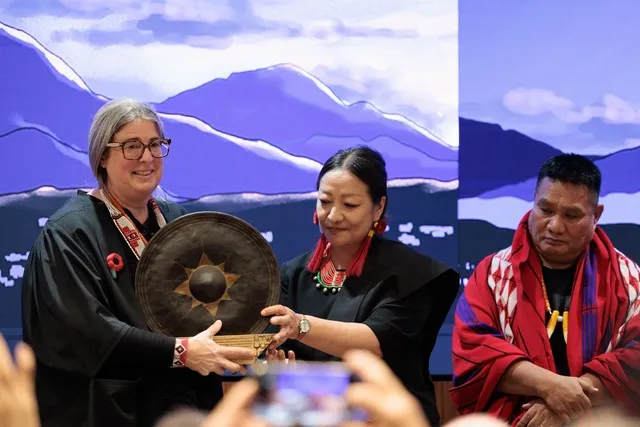
A bronze gong passed from one pair of hands to another in a room in Oxford. With that gesture and a signature, on Monday 9 November, the Pitt Rivers Museum at the University of Oxford stopped being the custodian of the remains of 39 ancestors of the Naga people of north-east India.
Custody passes to the Forum for Naga Reconciliation (FNR) and the Naga Tribe Hoho. The transfer of title was signed by the museum’s director, Laura Van Broekhoven, and by Rev. Dr Wati Aier for the FNR, according to the museum. The remains are still in England: their journey to Nagaland needs CITES approval and a specialist shipping agent, about two months of arrangements.
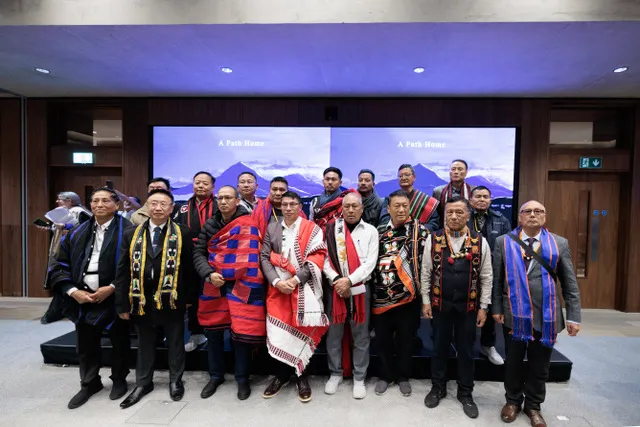 The Naga delegation in Oxford at the “A Path Home” event. Photo: © Pitt Rivers Museum, University of Oxford (courtesy of the museum).
Skulls taken on punitive expeditions
Most of the remains are skulls. They were brought to Oxford between 1910 and 1940 by two British colonial administrators and anthropologists, John Henry Hutton and James Philip Mills. The museum acknowledges that many were confiscated during punitive military expeditions. In 2020 it took all human remains off display.
That same year, Lotha-Naga anthropologist Dolly Kikon wrote to the director offering to connect the museum with her people. In 2021 the FNR set up the Recover, Restore and Decolonise (RRaD) team, which consulted elders and communities. In June 2025 a Naga delegation saw the remains for the first time and presented the Naga-Oxford Declaration on Repatriation, agreed unanimously by the different tribes. On 13 July 2026 the University Council approved the return.
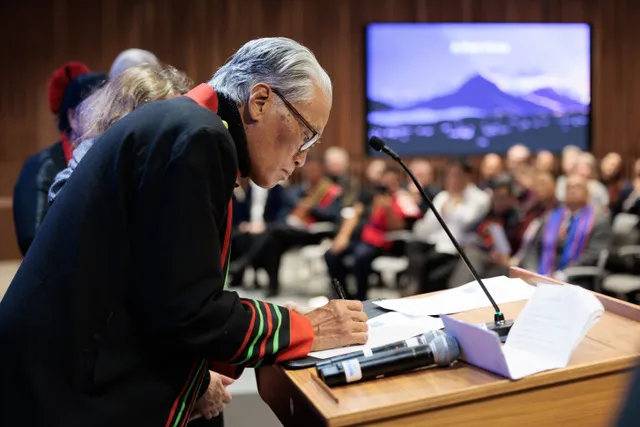 A member of the delegation signs during the 9 November ceremony. Photo: © Pitt Rivers Museum, University of Oxford (courtesy of the museum).
“We cannot undo the past”
“While we cannot undo the past, we can learn from it,” said Rev. Dr Ellen Konyak Jamir, coordinator of RRaD. Vihuto Asumi, president of the Sumi Hoho, told AsiaNews that his people believe “their spirits have not yet found peace”.
The Naga are planning a shared resting place and memorial, meant as a symbol of unity and peace. According to AsiaNews, the burial will take place in Kohima, Nagaland’s capital, after healing rituals.
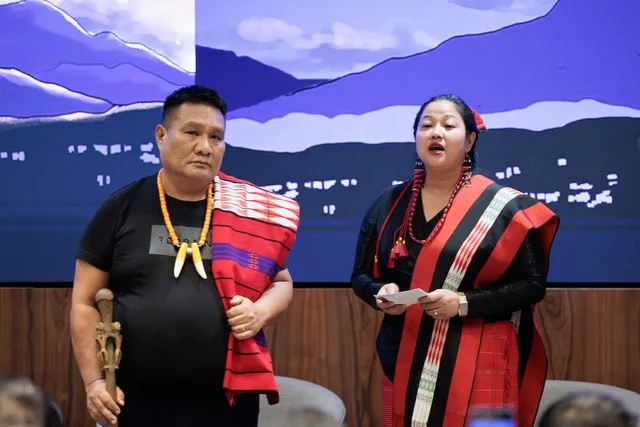 A song during the handover event in Oxford. Photo: © Pitt Rivers Museum, University of Oxford (courtesy of the museum).
What stays in the museum
The Pitt Rivers holds about 6,500 Naga objects. Beyond the 39 remains being returned, it keeps 178 objects that contain or may contain human hair, on which Naga communities hold different views, according to the museum. One further set of remains was left out because it could not be confirmed as Naga.
Sources
- Pitt Rivers Museum · A Path Home: the return of Naga ancestral remains
- AsiaNews · Oxford returns the remains of 39 ancestors to the Naga people
- ThePrint · Oxford University returns remains of 39 Naga people after more than a century (10 Nov 2026)
- Pitt Rivers Museum · photos provided to Happy News of the Day (email, 12 Nov 2026)