Lagos Fashion Week, Africa's biggest, turns 15 with a pledge for regenerative fashion
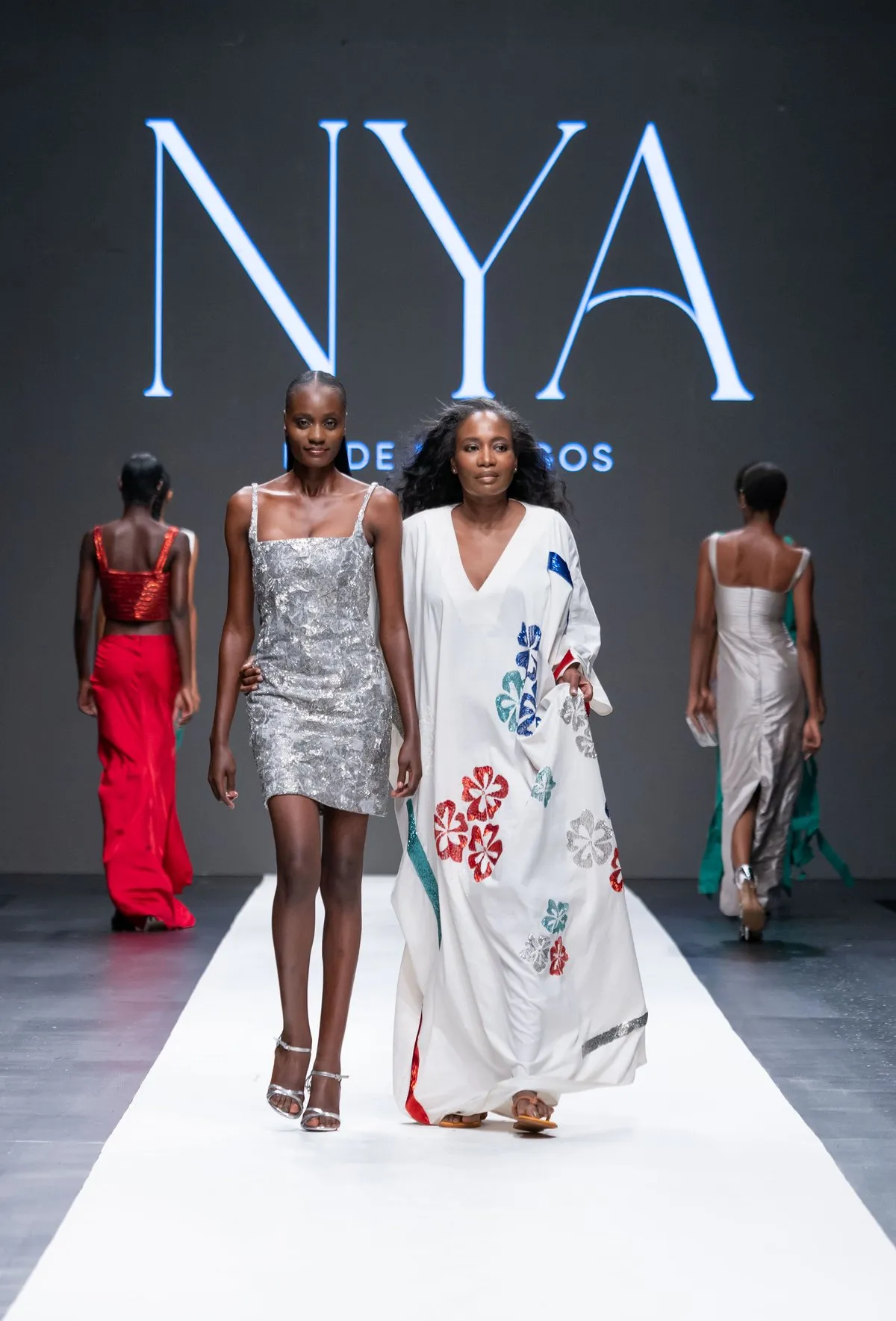
Lagos Fashion Week, Africa's largest, held its 15th edition from 28 October to 1 November with dozens of Nigerian and African designers under the theme “Crafted”. It comes with a ten-pillar manifesto calling for supply chains that regenerate the land, honour the makers and keep value on the continent. The catch: the manifesto is a statement of principles open for endorsement, with no measurable targets.
Africa exports roughly $15 billion in raw textiles a year and imports more than $23 billion in finished clothing and footwear. For Lagos Fashion Week, that gap is about who keeps the value, not about talent. It is also the starting point of the manifesto with which the event marked its 15th year.
The event, Africa’s largest of its kind according to Africanews, brought together dozens of Nigerian and African designers from 28 October to 1 November under the theme “Crafted”, a tribute to the skill and heritage behind every garment.
Ten pillars for fashion that gives back
The text is called the “Blueprint for a Regenerative Fashion Future”. It is the manifesto of the African Fashion Coalition, presented by Lagos Fashion Week with the Earthshot Prize. It was launched in June during London Climate Action Week, and Lagos has now brought it to the runway.
Its ten pillars range from cultural heritage and circularity to intellectual property protection, accountability for textile waste and local manufacturing. It calls for supply chains “that regenerate the land, honour the makers, and keep value on the continent”.
“If either the land is depleted, or the people are not well compensated, the whole system ultimately fails,” founder Omoyemi Akerele, who launched the event in 2011, told AllAfrica.
“Making up for lost time”
Cameroonian designer Queen Tumenta told AFP that African designers are “making up for lost time”: now that the spotlight is on them, they have a lot to say.
The manifesto sets no measurable targets: it is a statement of principles that individuals and organisations can endorse on Lagos Fashion Week’s website.
Sources
- Africanews / AFP · Lagos Fashion Week returns for 15th edition with a commitment to sustainability (30-10-2026)
- Zikoko · Lagos Fashion Week presents Africa’s first manifesto for a regenerative fashion industry (29-06-2026)
- AllAfrica · Lagos Fashion Week looks beyond the catwalk to fashion's future (11-09-2026)