Palaeoanthropologist Katerina Harvati receives Albert Einstein World Award for Science in Córdoba
Katerina Harvati, of the University of Tübingen, received the award on Monday 2 November at the Teatro del Libertador in Córdoba, Argentina, for her research into the origins of Homo sapiens. It was the first time the prize has been presented in South America. The World Cultural Council has presented the prize since 1984; the National University of Córdoba hosted this year’s ceremony and also honoured 12 local scientists and students.
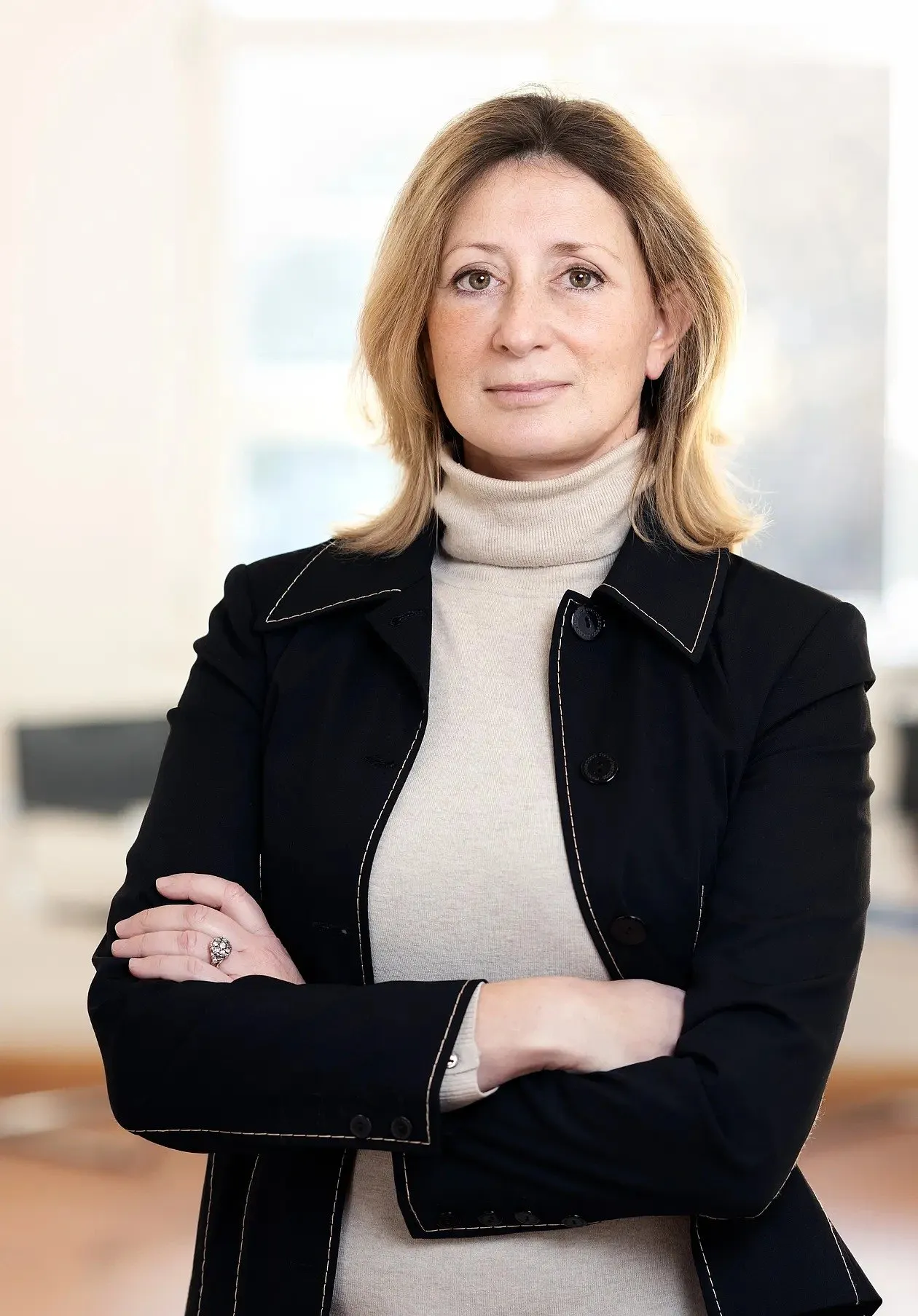
A fossil found in Greece, Apidima 1, changed the date modern humans reached Europe. Katerina Harvati showed it is the oldest Homo sapiens ever found in Eurasia, pushing that arrival back by about 150,000 years. For that and other work, she received the 2026 Albert Einstein World Award for Science in Córdoba on Monday.
The World Cultural Council, founded in Mexico, has presented the award every year since 1984, until now mostly in Europe. This 41st edition was the first held in South America: the ceremony took place at the Teatro del Libertador San Martín, hosted by the National University of Córdoba (UNC), according to the Government of Córdoba and the newspaper Perfil.
Fossils rebuilt on screen
Harvati was born in Greece and has held the Chair of Paleoanthropology at the University of Tübingen, Germany, since 2009. She has pioneered techniques such as virtual anthropology and geometric morphometrics, which allow biological shapes to be compared numerically and skulls to be reconstructed from fragments.
According to the award’s expert committee, her work provided rigorous evidence that Neanderthals and Homo sapiens are distinct species and was pivotal in confirming the African origin of modern humans and mapping their migration routes. Her team has also found in Greece the oldest known hand-held wooden tools made by humans, about 430,000 years old.
Twelve honours for Córdoba
The UNC’s programme also included an honorary doctorate for her and a public lecture on Tuesday, according to Perfil. The ceremony honoured 12 researchers and students from Córdoba, chosen from 62 nominations, among them ecologist Sandra Díaz and immunologist Gabriel Rabinovich, alongside young scientists and students.
“This well-deserved award also serves as an inspiration for future generations,” said University of Tübingen President Karla Pollmann.
Sources
- Government of Córdoba · Hito científico: Córdoba fue sede de la entrega del Premio Mundial de Ciencia Albert Einstein (3 Nov 2026)
- University of Tübingen · Katerina Harvati receives Albert Einstein World Award for Science
- Perfil · La UNC ultima detalles para albergar el Premio Mundial de Ciencias Albert Einstein (3 Oct 2026)