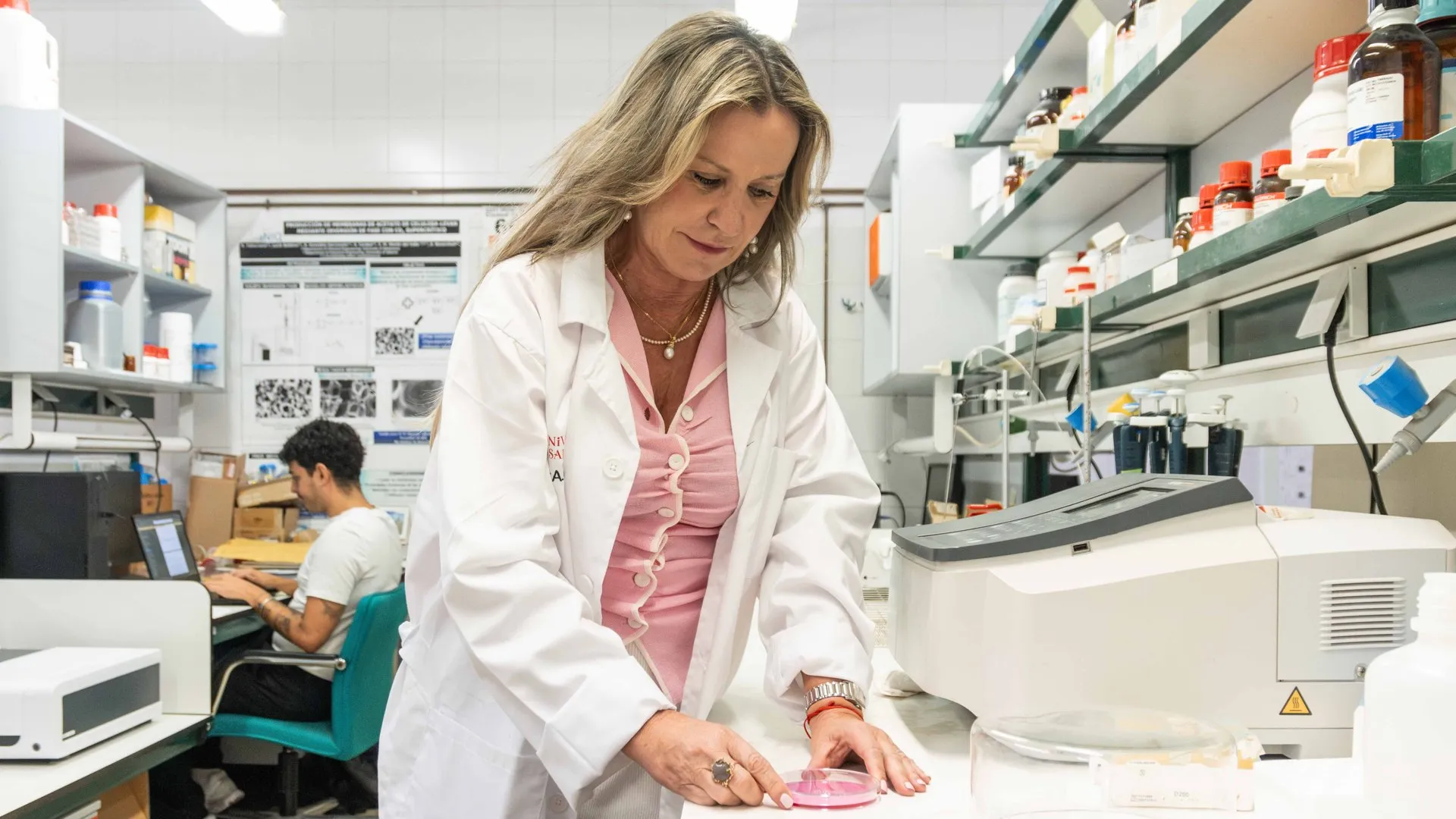
Barcelona hospital performs Europe's first living-donor kidney transplant with a robot and a single incision
Sílvia, 58, received her husband's kidney through a single seven-centimetre cut instead of up to six. Weeks later she says she is "95% recovered". Until now, the technique had only been used in the United States.
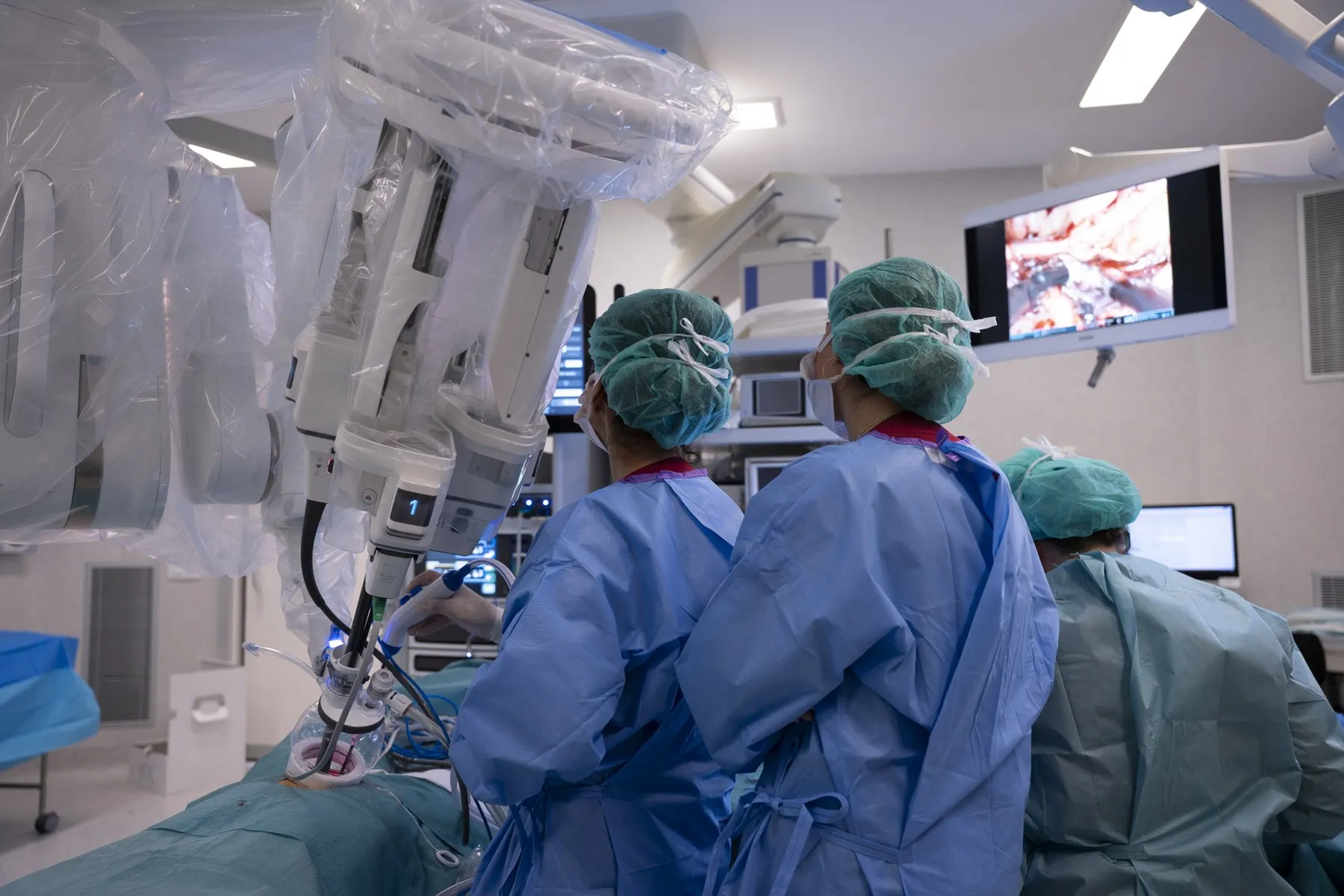
Bellvitge University Hospital, near Barcelona, has carried out Europe’s first living-donor kidney transplant using a single-port robot: every instrument enters the body through one seven-centimetre incision. Until now, this kind of transplant had only been performed in the United States, at the Cleveland Clinic, which the team used as its reference.
The operation took place in September and the hospital presented it on 21 October. “It’s a milestone,” said Dr Òscar Buisan, head of urology.
A gift from her husband
The patient is Sílvia, 58. Ten years ago she was diagnosed with polycystic kidney and liver disease, and over the past year her kidney function declined. The team suggested a living-donor transplant, and the donor was her husband.
Weeks later, Sílvia says she feels “95% recovered in energy and mobility”. “Everything went better than I expected,” she said. She spent nine days in hospital.
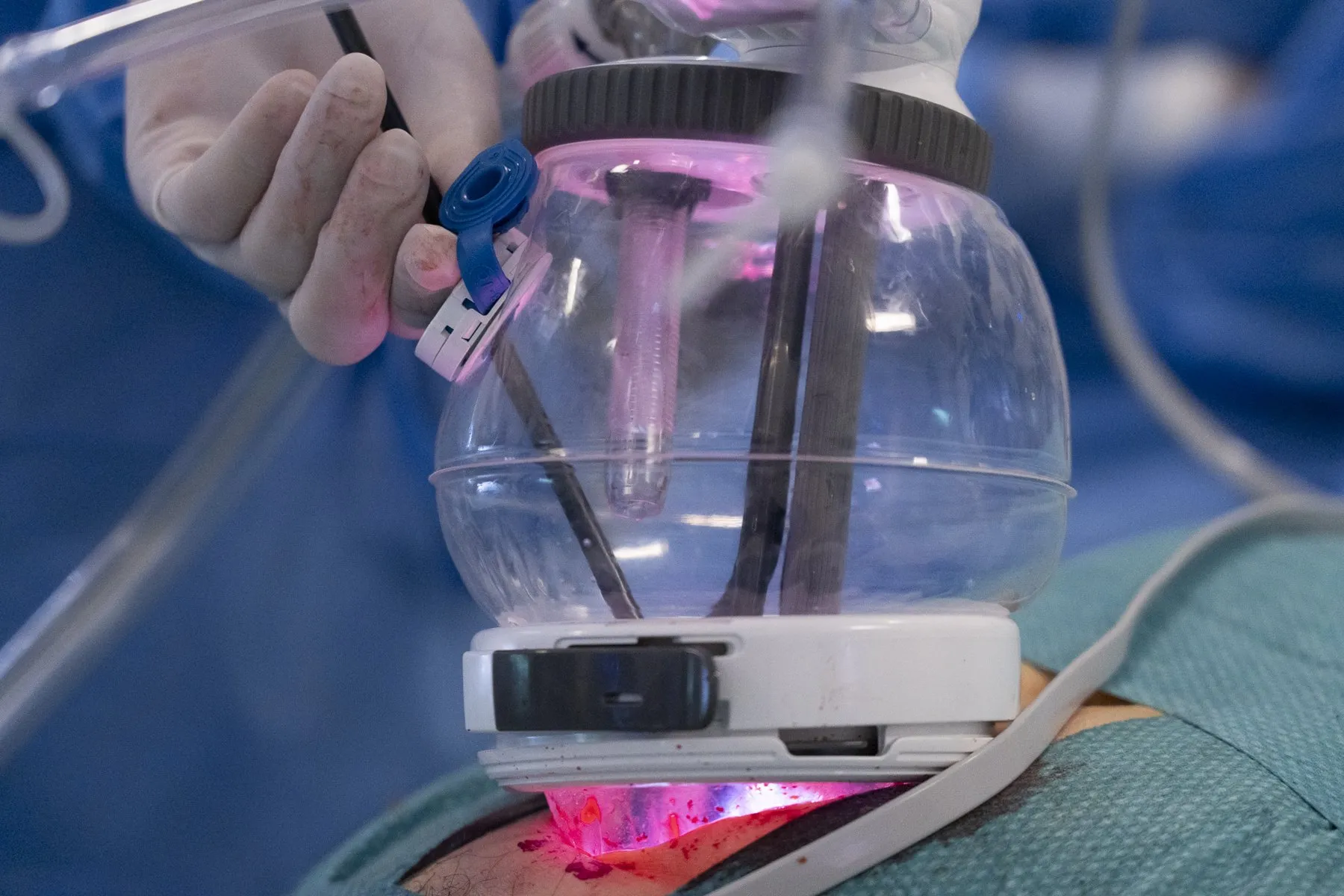
The single port: the robot’s three jointed instruments and its camera all go in through this one opening. Photo: Bellvitge University Hospital.
What the single-port robot changes
In February, Bellvitge added a Da Vinci SP (single-port) robot. It has a single arm that passes three jointed instruments and a 3D camera through the same incision. The previous robotic surgery needed up to six incisions: one for the kidney and several smaller ones for each robotic arm.
According to the team, fewer wounds mean less pain after surgery, fewer painkillers and a faster recovery. Dr Francesc Vigués, who leads Bellvitge’s robotic kidney transplant programme, sees a “clear benefit” for patients. Precision is “the same” as with the earlier system, although the technique is “a bit more difficult”, so staff are still training.
Four transplants so far, and more to come
Since that first case, the hospital has performed three more transplants with the technique, all successful. Bellvitge carries out around 50 robotic living-donor kidney transplants a year and estimates that 20 to 25 of them could be done with the new system. It is not suitable for every patient: it depends on their anatomy and on the kidney being transplanted.
Bellvitge’s robotic kidney transplant programme began in 2018 and has now reached around 300 operations, more than 90% from living donors. Dr Anna Manonelles, who coordinates the living-donor programme, says this is the “best” option for many kidney patients, especially when it avoids dialysis, as in Sílvia’s case.
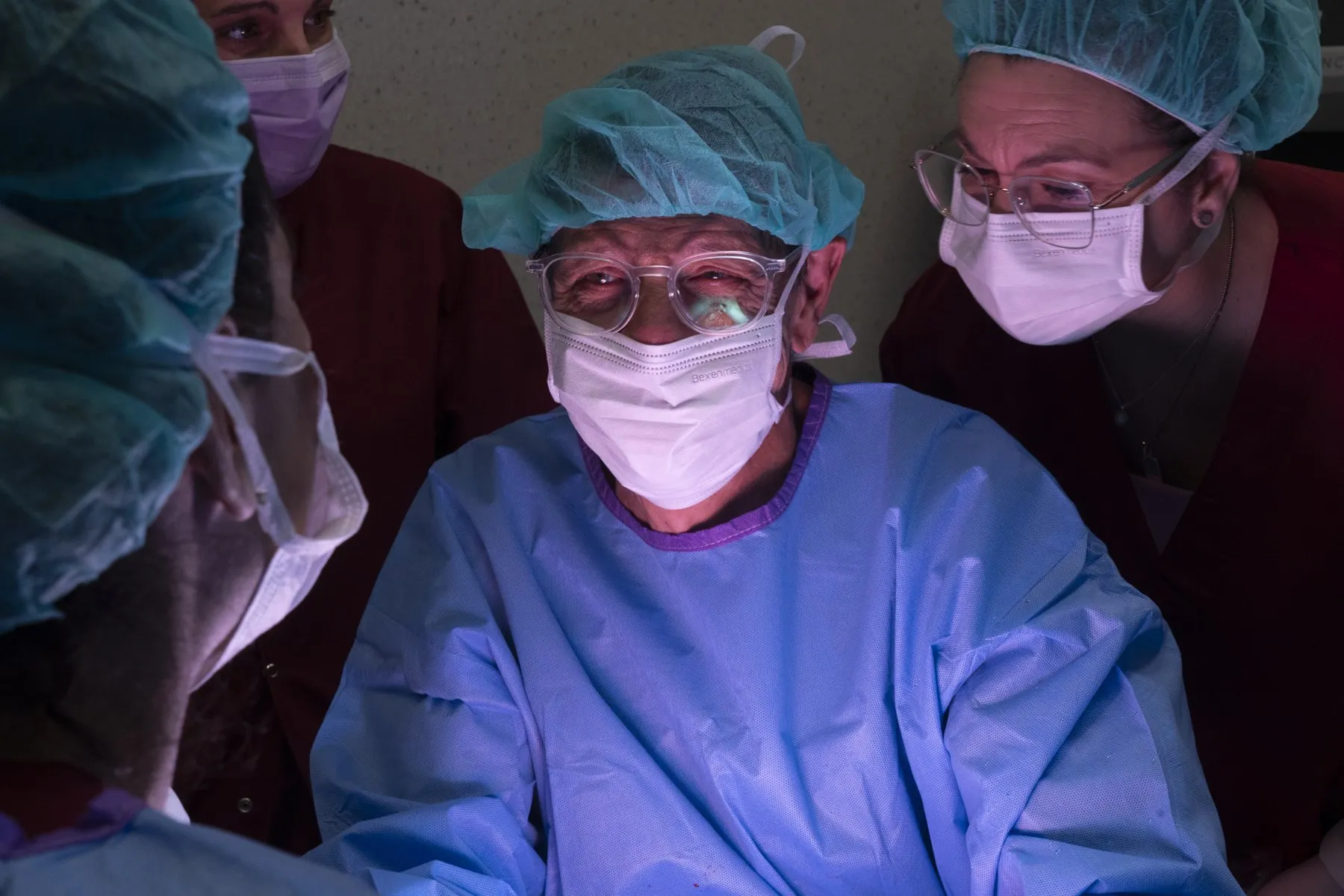
Part of the Bellvitge team during the operation. Photo: Bellvitge University Hospital.
Sources
- ConSalud · Bellvitge performs Europe's first living-donor kidney transplant with a single-incision robot (21-10-2026, in Spanish)
- Herqles · Bellvitge performs Europe's first single-port robotic kidney transplant (21-10-2026, in Spanish)
- La Ciutat · Bellvitge carries out Europe's first single-incision robotic kidney transplant (21-10-2026, in Catalan)