Kenya's Tsavo West black rhinos now have 30 times more room
In September the last fence came down in the expanded Tsavo West sanctuary: about 3,200 square kilometres that are home to some 200 black rhinos, which its backers call the largest rhino sanctuary of its kind in Africa. Kenya Wildlife Service, Kenya Rhino Range Expansion and San Diego Zoo Wildlife Alliance shared the update as they marked 18 months of work. The sanctuary opened in December 2025; what's new is the completed expansion and deals to open more land to the species.
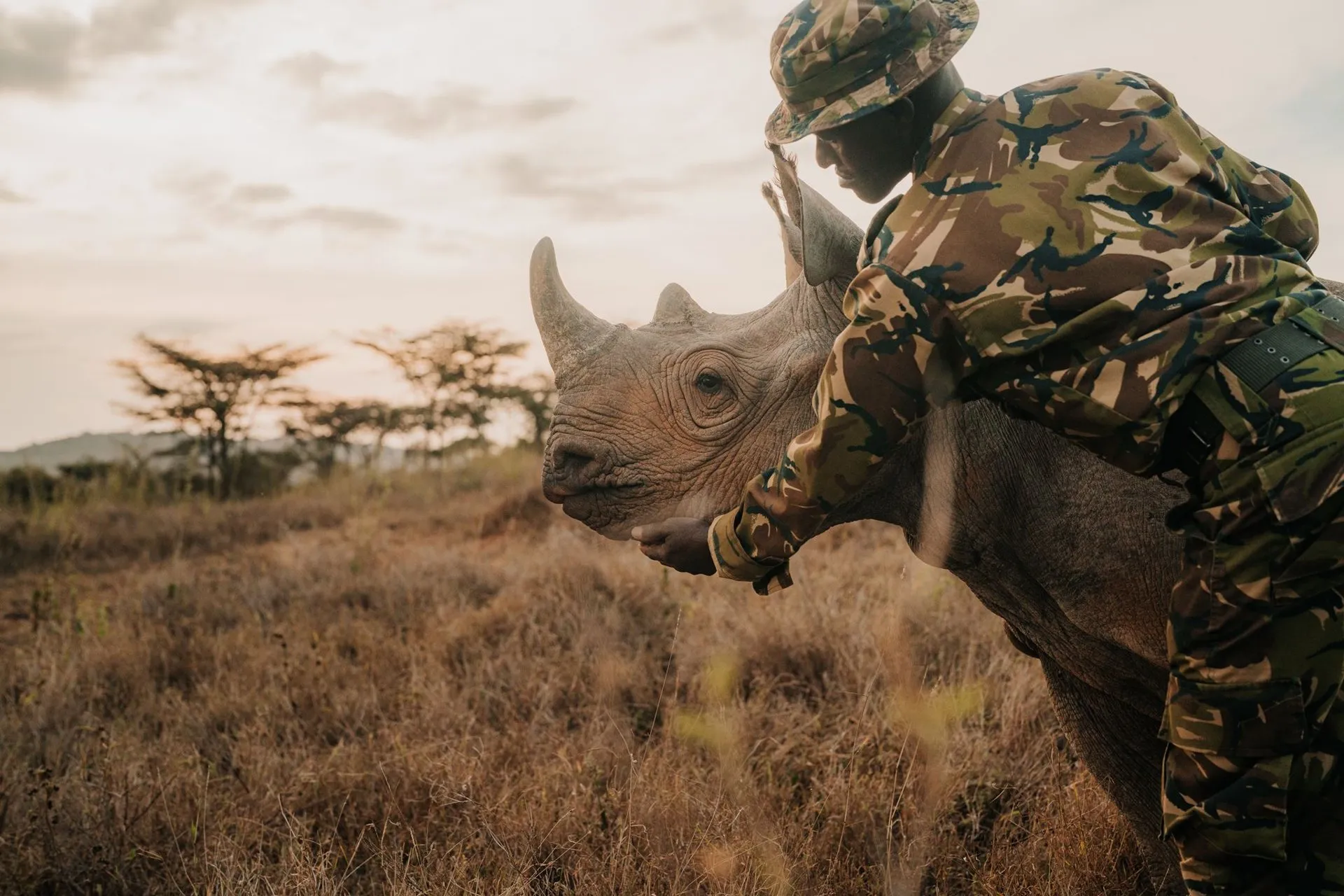
For years, Tsavo West’s black rhinos lived in the Ngulia sanctuary, a 92-square-kilometre fenced area inside the Kenyan national park. In September the last fence of their new home came down: a sanctuary of about 3,200 square kilometres, roughly 30 times bigger, home to some 200 black rhinos.
Kenya Wildlife Service (KWS), Kenya Rhino Range Expansion (KRRE) and San Diego Zoo Wildlife Alliance, which funded KRRE’s first steps, shared the update as they marked 18 months of work. They describe it as the largest rhino sanctuary of its kind in Africa. President William Ruto opened it in December 2025; the expansion has since been completed.
A success running out of space
Kenya has got its black rhino numbers growing again, to more than 1,000. That success brings its own problem, the partners say: several of the protected areas where rhinos live are reaching the number of animals they can support. Without more secure habitat, populations stop growing.
In Tsavo, KRRE has helped KWS ear-notch nearly 70% of the 200 rhinos so they can be identified, and has invested in ranger vehicles, monitoring, communications and infrastructure. Protecting animals across an area 30 times larger takes much more.
“Expanding their range goes beyond giving rhinos more room to grow. It is about safeguarding the ecological processes that sustain life across their native habitat,” said Dr Nadine Lamberski, Chief Conservation Science and Wildlife Health Officer at San Diego Zoo Wildlife Alliance. More room lets rhinos disperse naturally and mix their genes.
More land opening up in central Kenya
In central Kenya, more than fourteen partners have signed agreements to work towards opening their properties to rhinos. In Naibunga Community Conservancy, KRRE is working with the community to clear invasive plants and restore grazing that also serves livestock. Any decision about bringing rhinos there will be taken with the community’s free, prior and informed consent.
“What we are ultimately trying to create is space,” said Jamie Gaymer, CEO of KRRE. “Space for rhinos to grow, but also space for nature-based businesses, tourism and employment to grow alongside them.”
The next step is turning those agreements into new ground for rhinos, with the protection they need.
Photo: © Kenya Rhino Range Expansion · Tara Shupe · Ol Jogi Conservancy (courtesy).