Four cheetah cubs, all female, born at Montpellier Zoo
The cubs were born on 12 September to Bastet, a female herself born at the zoo, as part of the European breeding programme for this vulnerable species. They can't be seen yet: the park is closed for works and the cubs are staying in a protected area with their mother.
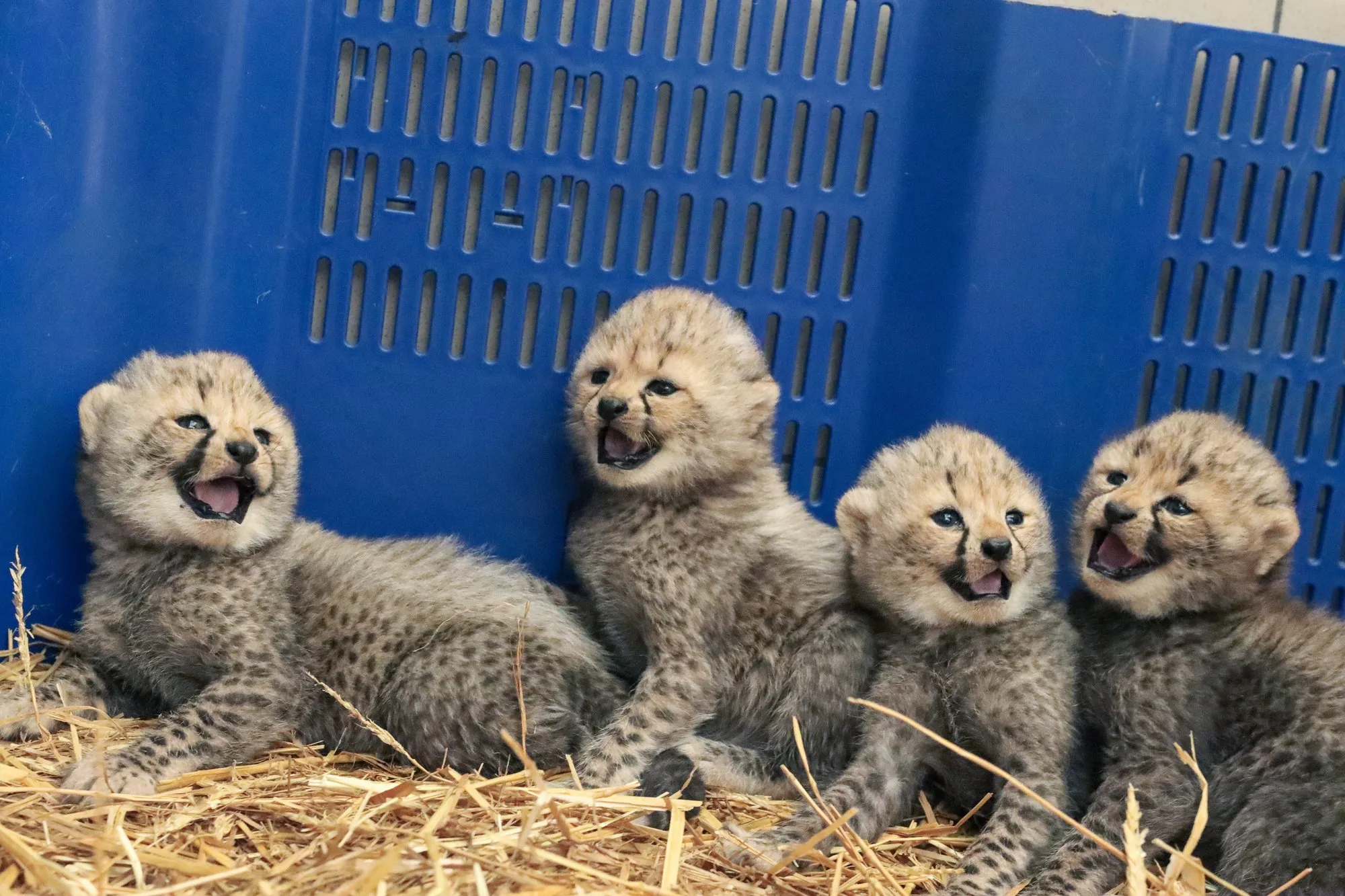
Four grey balls of fluff, mouths wide open. These are the four cheetah cubs born on 12 September at Montpellier Zoo, in the south of France, and all of them are female. The zoo, run by the city of Montpellier, announced the births on 20 October. No one can visit them for now: the park is temporarily closed for works and the cubs are living in a protected area with their mother.
A mother born at the same zoo
Their mother is Bastet, a female born at Montpellier Zoo in 2018. On the advice of the species’ European coordinator, she was introduced to a male called Josh to form a breeding pair that is “genetically relevant” for the species, the press release says. The cubs were born blind and were especially fragile in their first weeks, so they remain under the watchful eye of their mother and the keepers. They will start exploring the outdoor enclosure gradually over the coming weeks.
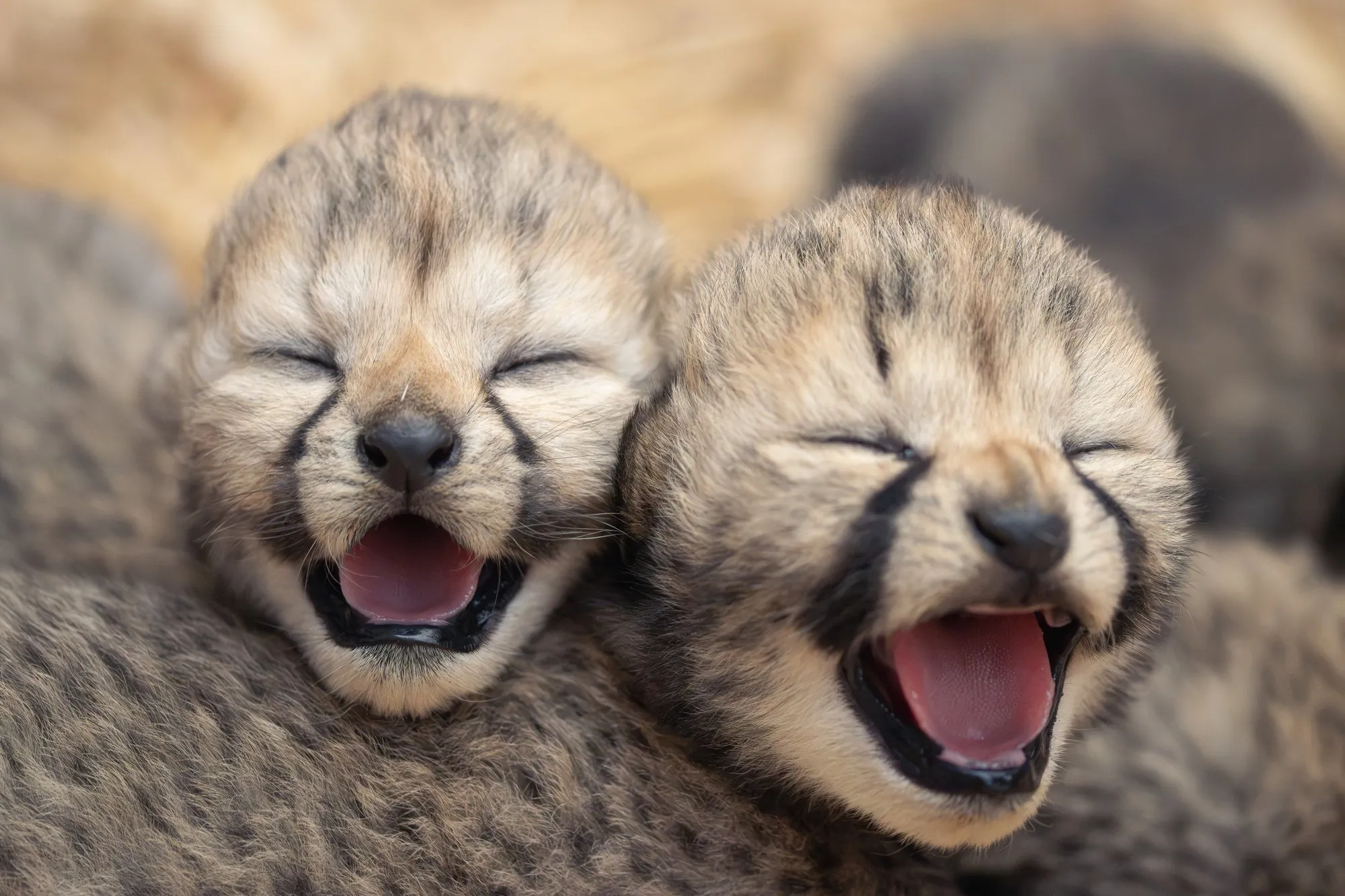
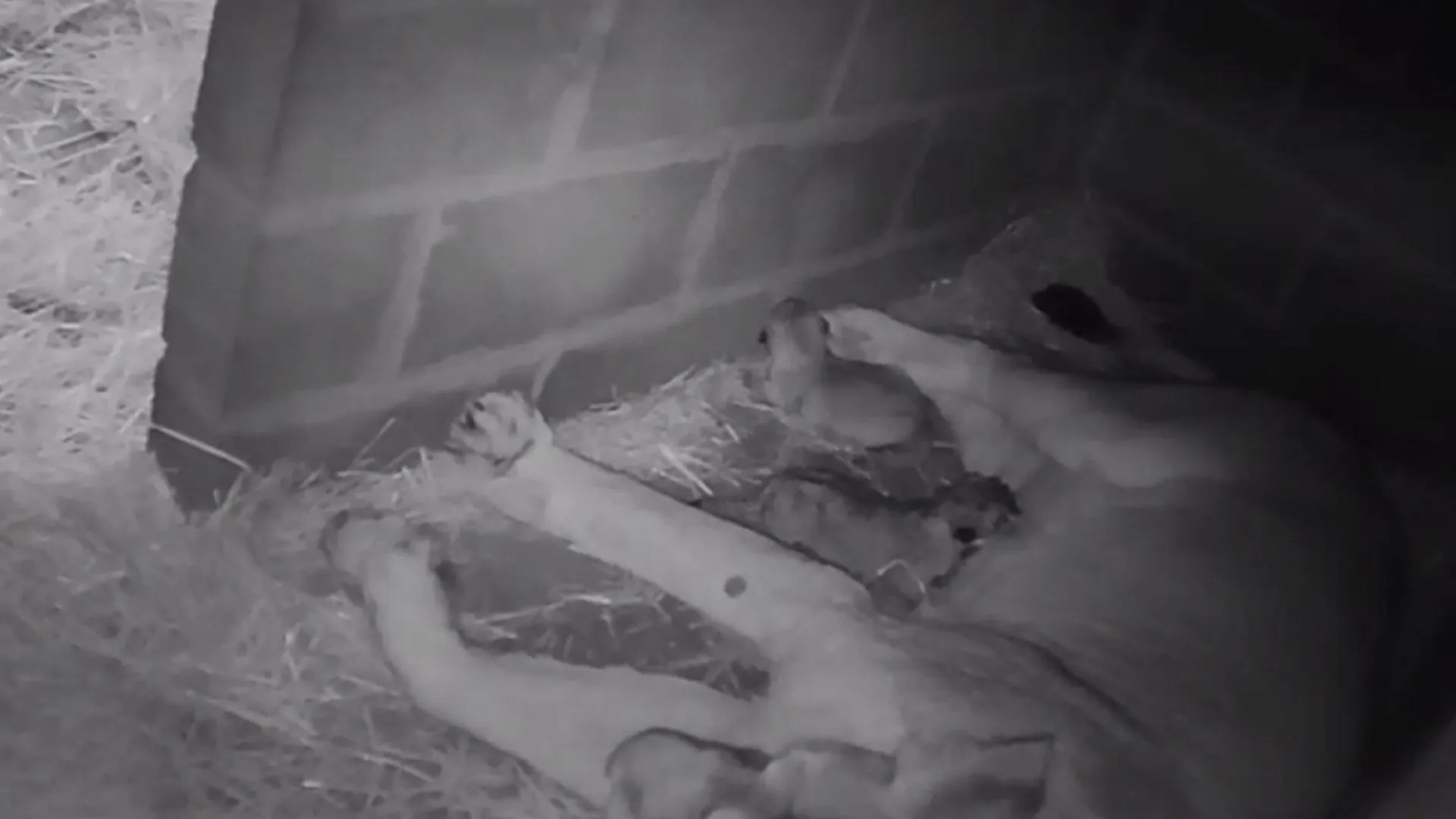
Two of the cubs, eyes still closed. Photo: Zoo de Montpellier.
A vulnerable species with fewer zoos breeding it
The southern African cheetah (Acinonyx jubatus jubatus) is listed as Vulnerable on the International Union for Conservation of Nature (IUCN) Red List. The births are part of the European Endangered Species Programme (EEP), coordinated by the European Association of Zoos and Aquaria (EAZA).
The zoo says Europe’s cheetah population has been shrinking for several years, partly because fewer institutions now take part in breeding. Montpellier currently keeps three females, five males and the four cubs, and this is its eighth viable litter since 2018.
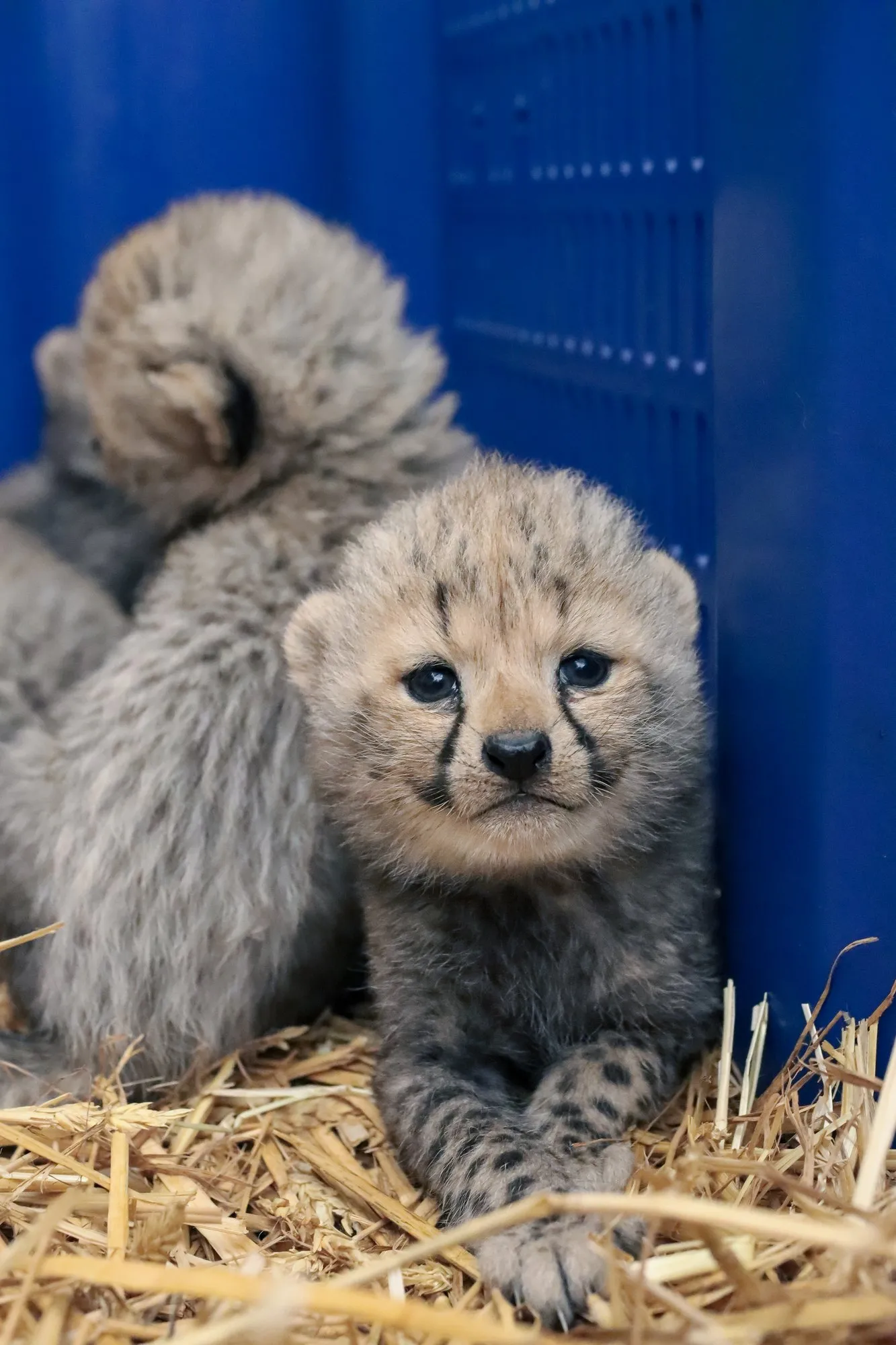
One of the four females, now with her eyes open. Photo: Zoo de Montpellier.
Two years with mum
The four young females will stay with Bastet until they become independent at around two years old. After that, the European programme will decide where they go: it organises transfers between zoos and pairings to protect the genetic diversity of the captive population.
Photos courtesy of Zoo de Montpellier.