AI built in Catalonia helps tell whether breast cancer has reached the armpit lymph nodes
Researchers from Pompeu Fabra University, Verge de la Cinta Hospital in Tortosa, Rovira i Virgili University and the Catalunya Sud Biomedical Research Institute have built an AI model that, for the first time, combines tumour data with the patient's immune response.
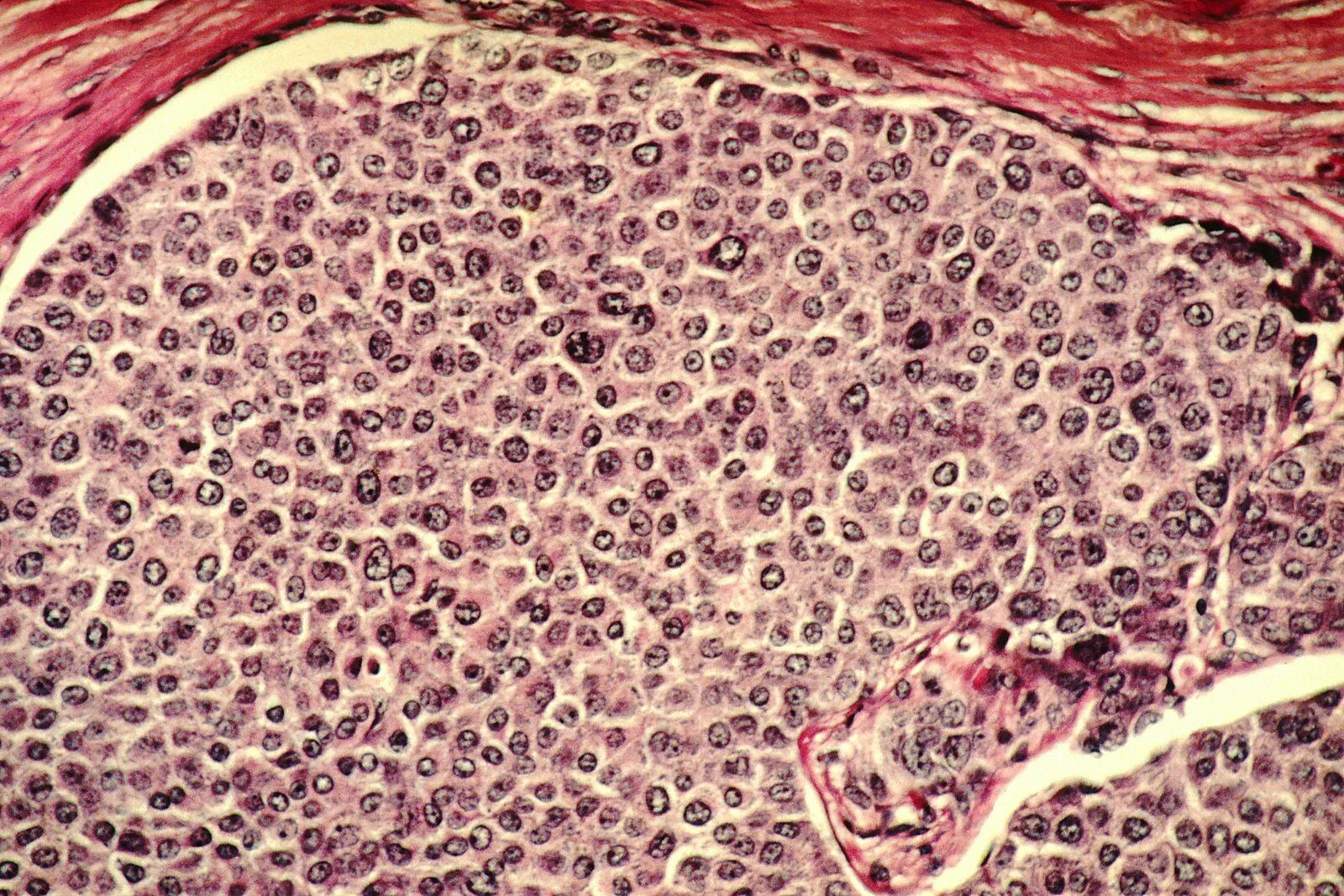
When breast cancer cells reach the lymph nodes in the armpit, the outlook gets worse. Knowing this accurately and early helps choose the right treatment. A Catalan team has built an artificial intelligence that helps do just that.
What they did
Pompeu Fabra University led the technology, while researchers from Verge de la Cinta Hospital in Tortosa, Rovira i Virgili University and the Catalunya Sud Biomedical Research Institute led the clinical side. The work is published in Breast Cancer Research.
Their machine learning model is the first to combine the tumour’s clinical and pathological data (size, features) with the patient’s immune response. It focuses on luminal breast cancer, one of the most common types.
The results
- The final model separates patients with and without armpit metastasis with an area under the curve of 0.84 (1 would be perfect).
- It produces fewer false positives than a model using clinical data alone.
- It points to a possible new marker: immune cells inside the tumour (CD21+ follicular dendritic cells).
A note of caution
The study is retrospective and small: 83 patients with immune data and 344 with clinical data only, diagnosed between 1995 and 2008. It needs validating in other hospitals. And the model does not predict whether a patient will develop metastasis: it identifies which factors are linked to already having it.
Why it matters
Current tests barely consider the immune response. Adding it could sharpen diagnosis and, with it, the choice of treatment.