AI-supported mammography finds 29% more cancers and cuts radiologists' reading work almost in half
It is the first large randomised trial of AI in breast cancer screening: 106,000 women in Sweden. The final results, in The Lancet, also show 12% fewer cancers appearing between screenings and 27% fewer of the most aggressive types.
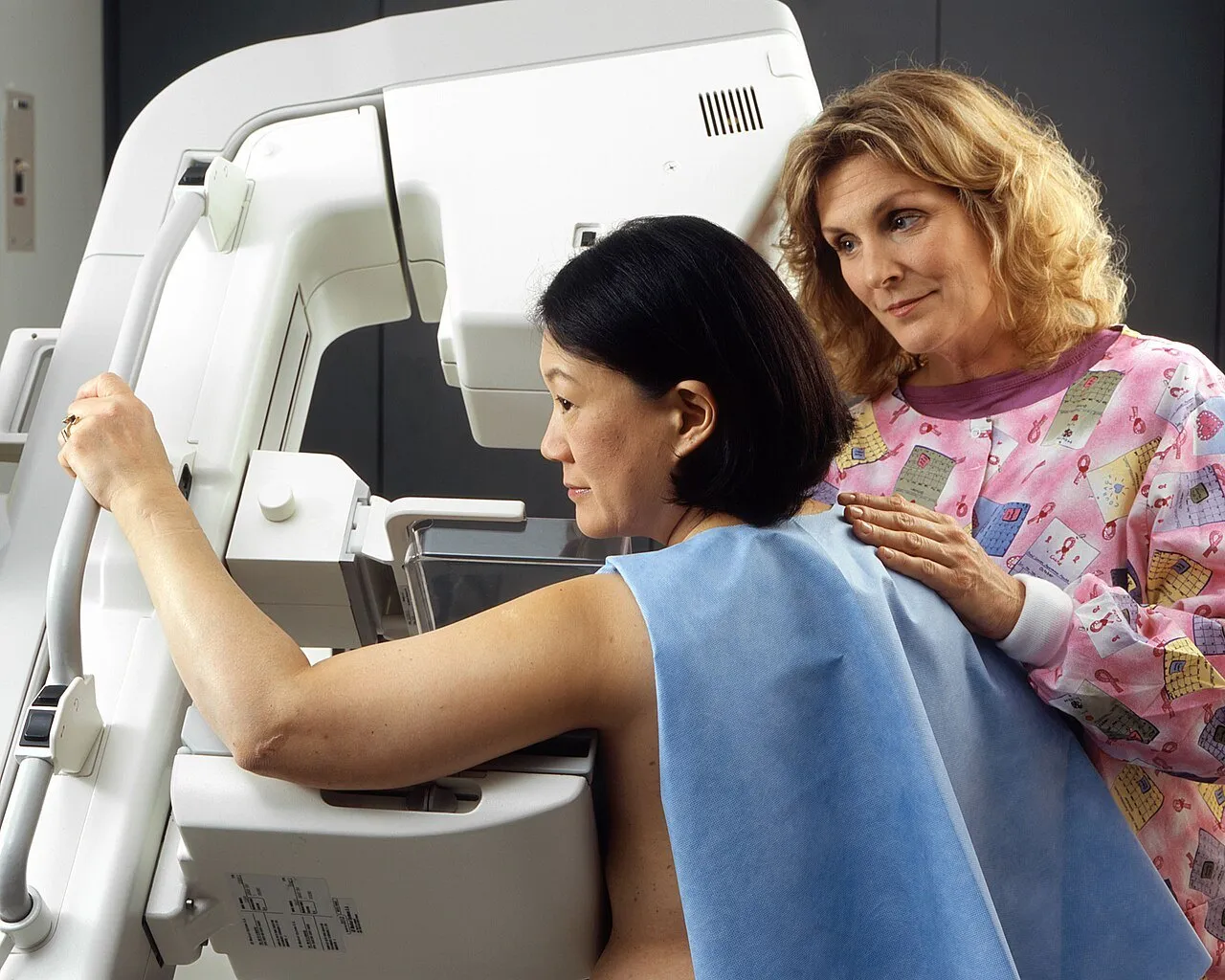
In Sweden, every screening mammogram is read by two radiologists. The MASAI trial, led by radiologist Kristina Lång at Lund University, tested what happens when artificial intelligence helps: it scores the risk of each mammogram, decides whether one reading is enough or two are needed, and flags suspicious areas for the specialist. About 106,000 women aged 40 to 74 were randomly assigned to standard screening or AI-supported screening.
What it showed
- AI support helped detect 29% more cancers, mostly small invasive tumours that had not reached the lymph nodes, the stage at which treatment tends to work best. False alarms did not increase.
- Radiologists’ reading workload fell by 44%, a relief for services short of specialists in many countries.
- After two years of follow-up there were 12% fewer interval cancers, the ones that appear between screenings and tend to be more aggressive (82 vs 93). Among them, 27% fewer of the most aggressive subtypes.
- Screening sensitivity rose from 73.8% to 80.5%, with the same specificity.
“Interval cancers are typically more aggressive and should be as low as possible,” Lång says.
The caveats
The final results were published in The Lancet at the end of January, and the 29% rise comes from earlier analyses of the same trial. The drop in interval cancers meets the study’s goal (not being worse than current practice) but is not statistically conclusive as an improvement, and the trial does not yet measure whether lives are saved. Several European countries are already adding AI-supported reading to their screening programmes.