South Downs farm counts 5,290 butterflies of 28 species two years after leaving intensive farming
At Halnaker Hill in the South Downs National Park, 330 acres of intensively farmed land have been turned into grassland, hedgerows and scrub. It is a private project: the farm sells biodiversity units that developers use to offset the impact of their building work.
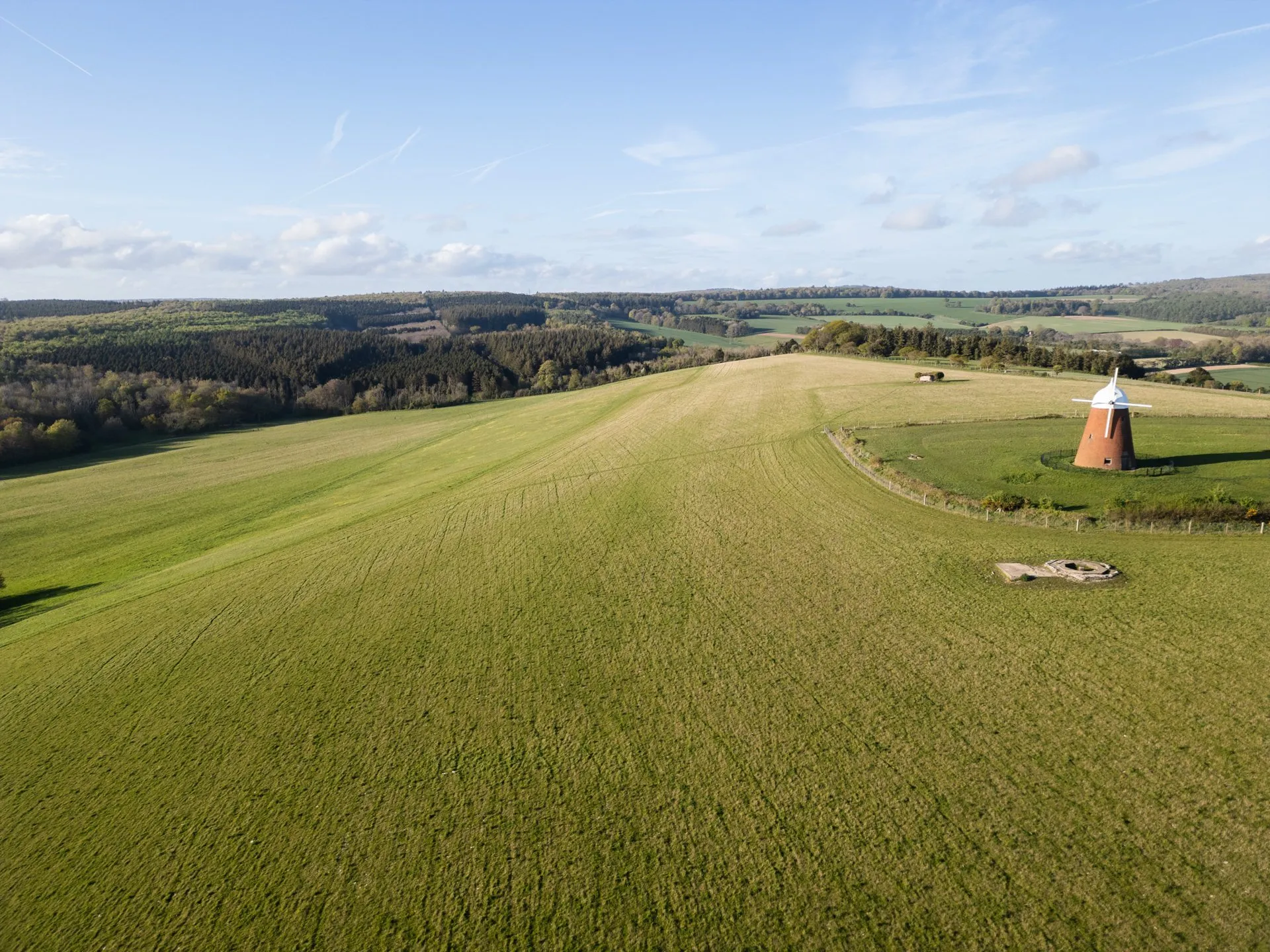
“Just two years ago this was largely an arable landscape,” says Nick Heasman, head of natural capital at the South Downs National Park. Surveys at Halnaker Hill Farm, near Chichester in West Sussex, have now counted 5,290 butterflies of 28 species, including two nationally important species seen at the site for the first time, according to the park’s release reported by PA. “The results of this wildlife survey are extraordinary,” Heasman said.
Why count butterflies
The farm, known for its 18th-century windmill, has returned 330 acres to a mosaic of grassland and other habitats. Butterflies recorded there include the dingy skipper and the small blue, the UK’s smallest butterfly.
Conservationist and butterfly expert Neil Hulme says they are good indicators of a site’s health: where they are abundant and diverse, “it is highly likely that other aspects of the local fauna and flora are in good shape”. The data, he says, show “how rapidly and spectacularly” the habitats have developed.
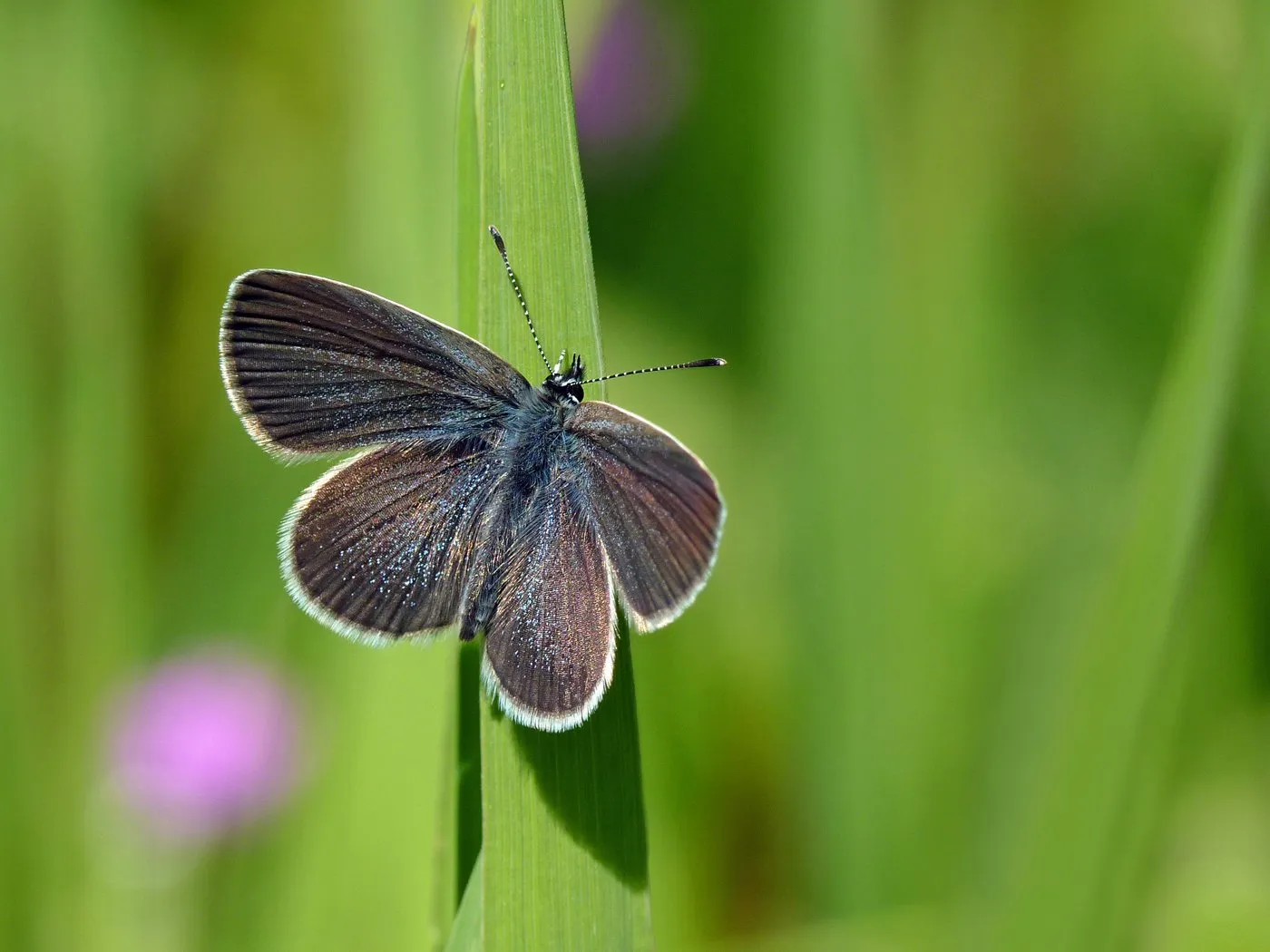
A small blue, the UK’s smallest butterfly. Image: Neil Hulme.
Nature that is also a business
Halnaker Hill is owned by Halnaker Hill Natural Capital (HHNC), which is managed by Kingsbridge, a Chichester-based commercial property developer. The project will deliver more than 850 biodiversity net gain (BNG) units: in England, developers must make up for the nature their projects destroy, and can do so by buying these units. They are registered with Natural England and protected for at least 30 years.
The farm is part of ReNature, the national park’s programme to stop biodiversity loss across 7,700 hectares. The next step, according to the project page, is for more rare wildflowers, birds and butterflies to return.
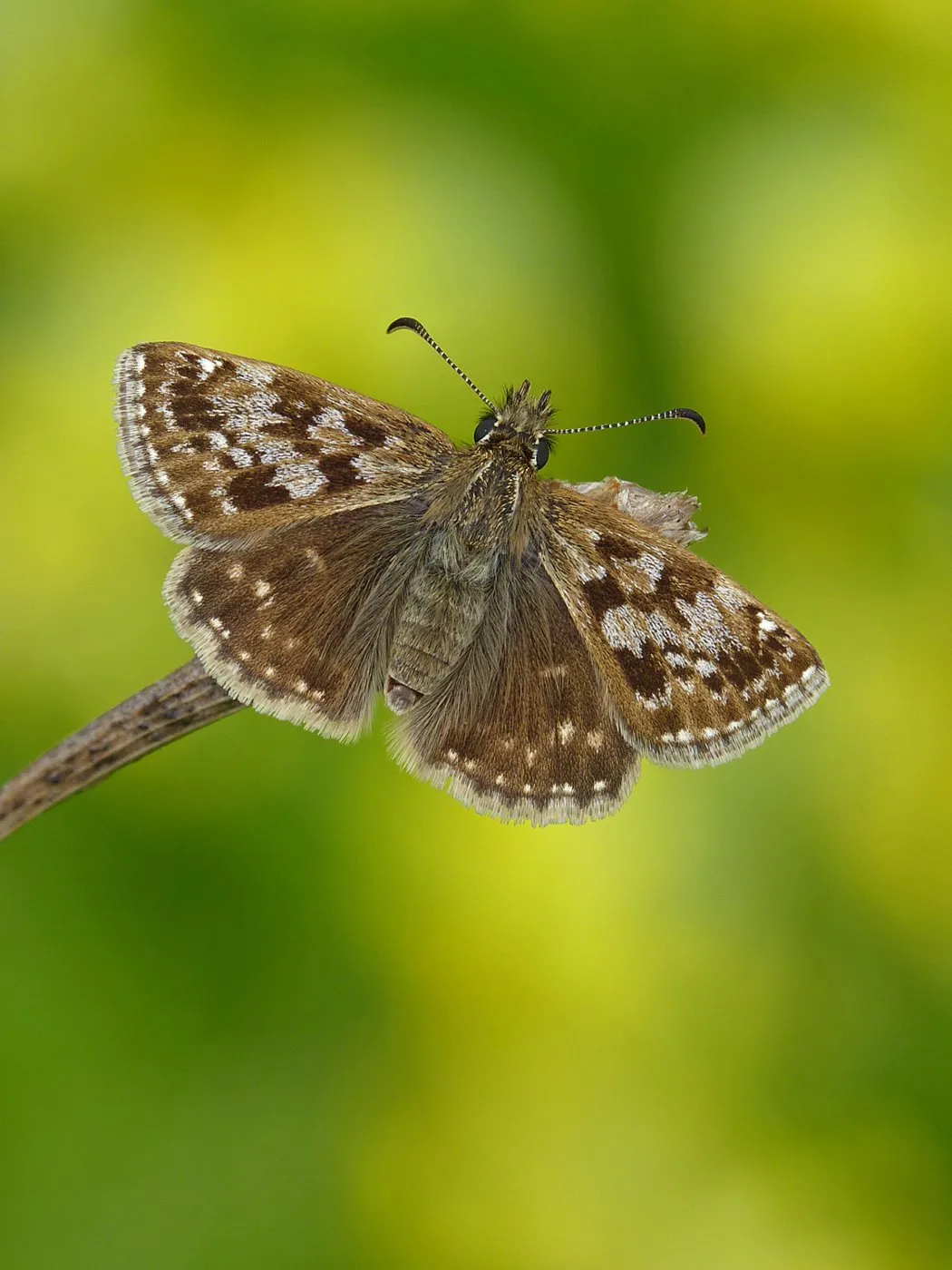
A dingy skipper. Image: Neil Hulme.