Two years of basic income help Indigenous communities in Peru's Amazon eat better
For two years, 211 Asháninka and Yanesha people received no-strings cash plus training. The share of households unable to afford nutritious food fell from 73% to 26%, according to a University of Bath evaluation. It was a small pilot with no control group, and the authors say more research is needed.
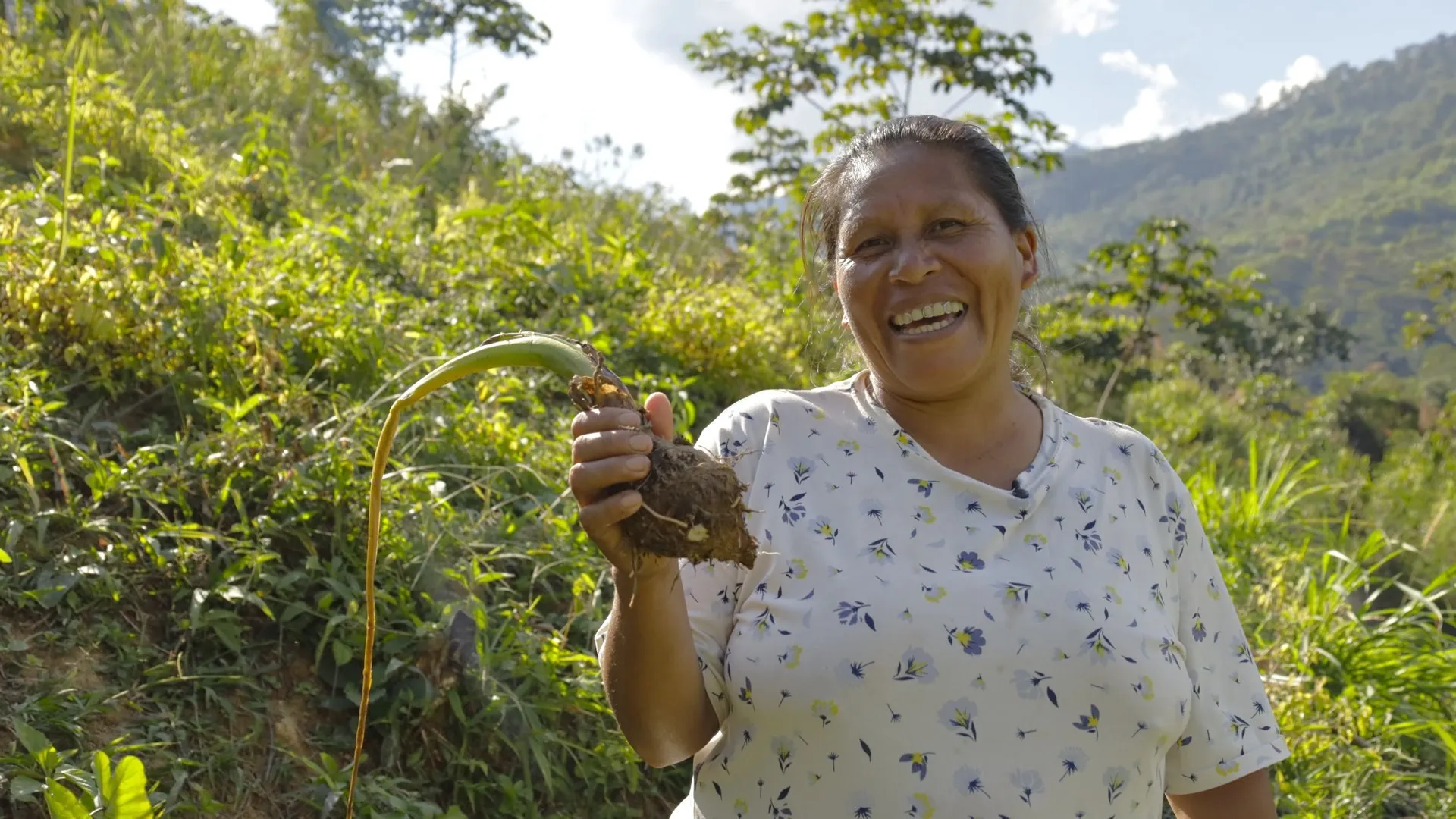
Every four months for two years, every adult in three Indigenous communities in Junín province, in Peru’s central Amazon, received a payment with no conditions attached: they could spend it however they liked. There were six payments in all, which the University of Bath puts at the equivalent of about £2 a day. The pilot was run by the climate charity Cool Earth and evaluated by UBI Bath, the university’s basic income research group, which describes it as the first of its kind to give Amazonian Indigenous people a basic income.
The results, published on 20 October 2026, are encouraging but need to be read with care: 211 people took part, 82 answered the final survey and there was no control group, so the study cannot attribute every change to the cash. The researchers themselves say more work is needed on the long-term impact.
Fewer skipped meals, more savings
Between the first survey (November–December 2023) and the last (August 2025), the share of households unable to afford healthy, nutritious food fell from 73% to 26%. Those skipping meals dropped from 49% to 22%, and those able to save rose from 49% to 70%. On a wellbeing scale of 1 to 10, participants rated their lives two years earlier at 3 and their current situation at 6 to 7.
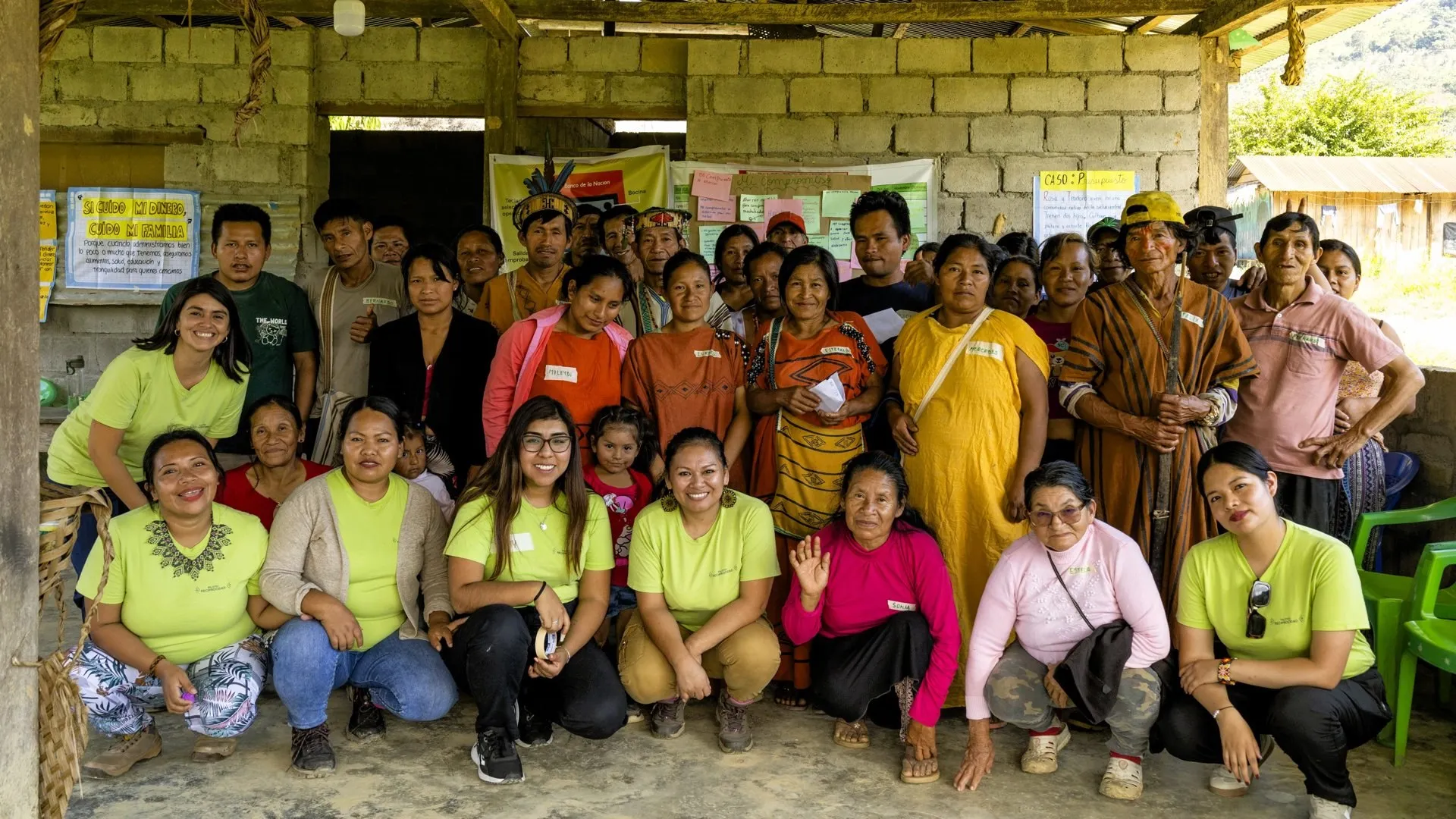
Members of one of the pilot communities with the programme team (green T-shirts). Photo: Andrea Ramos / Cool Earth.
Staying home instead of chasing day jobs
The change the authors highlight most is that fewer people had to leave their community to look for casual, often precarious work: down from 43% to 18%. With that breathing space, many families spent more time on their own farms, with their children and on shared projects. “Cash makes a massive and immediate difference to people’s lives,” says Dr Neil Howard, who leads UBI Bath.
Cash, workshops and Indigenous women in charge
The pilot was more than a payment. It followed a “cash plus” model, with workshops on financial education, Indigenous rights, conservation and climate change, designed with two Indigenous women’s organisations, ONAMIAP and OMIAASEC. According to the university, 87% of participants joined collective actions such as replanting native trees, burning less forest or restoring water springs. The study records these practices but does not measure how much forest was protected.
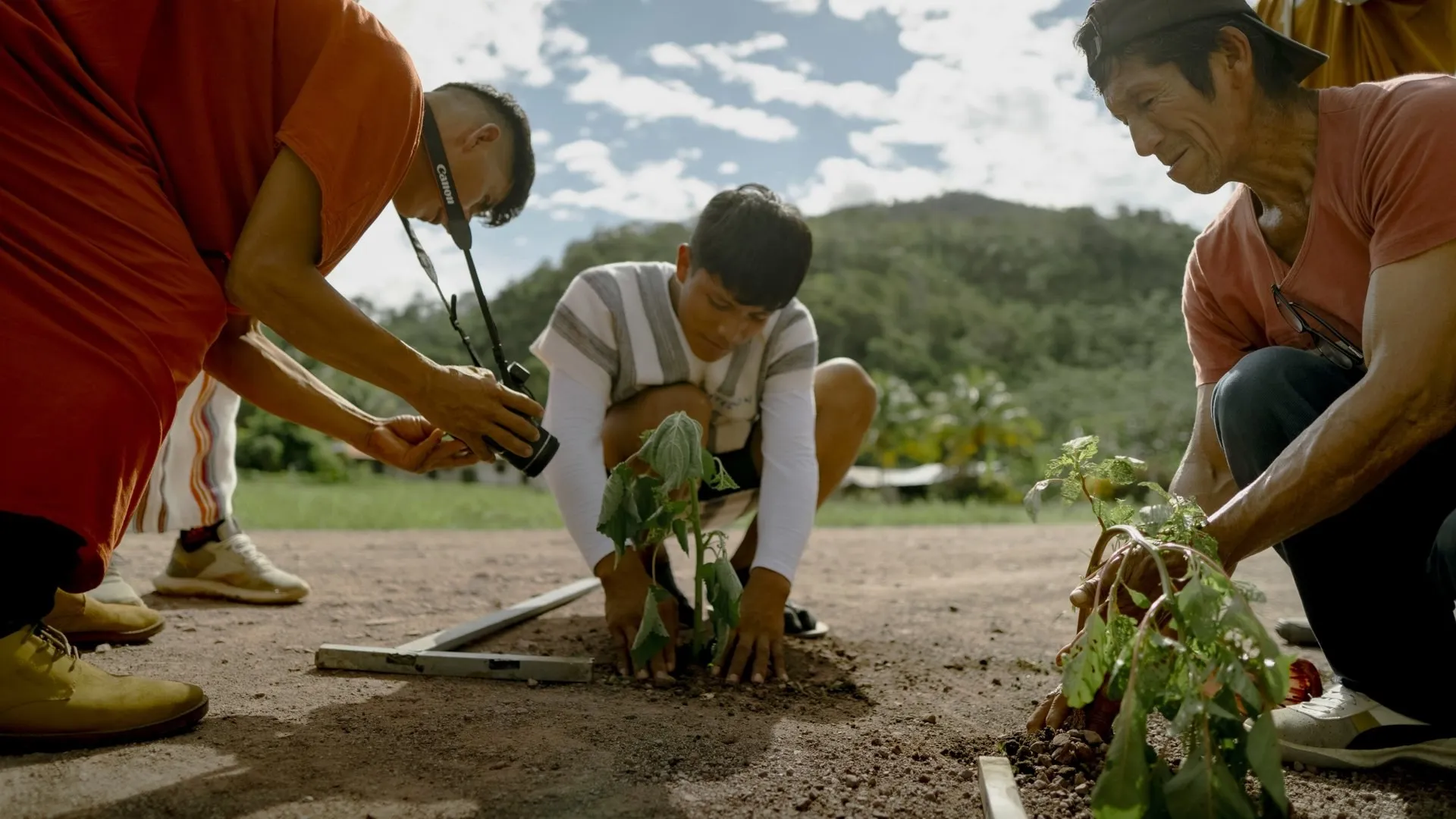
Community members planting trees. Photo: Andrea Ramos / Cool Earth.
Cool Earth will make the programme part of its regular work and plans to take it to other communities in the Peruvian Amazon and to Colombia later this year.
Photos: Andrea Ramos / Cool Earth, courtesy of the University of Bath.