Vaccinating mothers in pregnancy protects newborn mice from a deadly superbug
Scientists at Washington University in St. Louis found that more than 80% of pups born to vaccinated mothers survived Klebsiella pneumoniae, against 0–35% without the vaccine. The study was in mice: human trials are still to come.
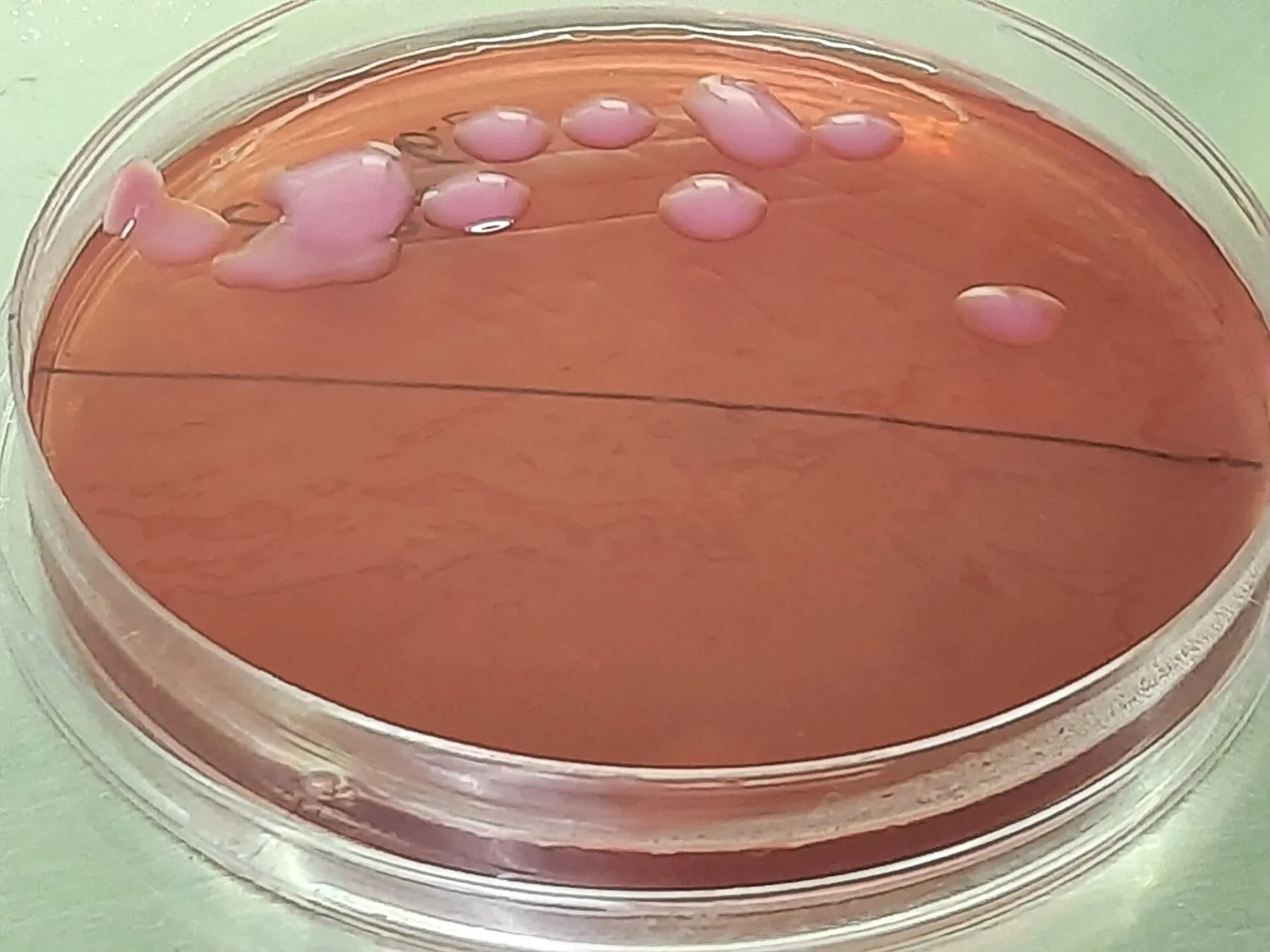
Vaccinating mothers during pregnancy could protect newborns from Klebsiella pneumoniae, a bacterium that is growing more resistant to antibiotics and causes severe bloodstream infections. A team at Washington University School of Medicine in St. Louis has shown it works in mice, in a study published on 14 October in Science Advances.
The researchers, led by paediatrician David Rosen, vaccinated pregnant mice against two dangerous types of the bacterium, K1 and K2. They then exposed the pups to an infection that mimics sepsis in babies. Among pups of unvaccinated mothers, none survived K1 and fewer than 35% survived K2. Among pups of vaccinated mothers, more than 80% survived either type.
The pups were never vaccinated themselves. Their protection came from their mothers’ antibodies, which the team found at high levels in the pups’ blood and in breast milk. Giving the mothers two or three doses made no difference.
Why it matters
Klebsiella pneumoniae kills thousands of babies every year in low- and middle-income countries, where children often pick it up from their surroundings. There is no vaccine against it, and antibiotic resistance is making infections harder to treat. The first days of life are the riskiest, and a mother’s antibodies could cover exactly that window. ‘This study presents the first evidence that giving moms a vaccine could be an effective strategy’ for protecting babies, says Rosen.
What’s still missing
This is a mouse study, and the vaccine has not been tested in pregnant women. The team is already working on versions that cover more of the strains circulating worldwide, a necessary step before any clinical trials. The vaccine was developed by Omniose, a St. Louis start-up in which four of the authors have a financial stake. The work was funded by the US National Institutes of Health and the Gates Foundation.