Drug reverses severe fatty liver disease in animals by repairing the gut
University of Michigan researchers tested DT-109, which curbs an ammonia-producing gut bacterium and strengthens the gut lining. It reversed the disease in mice and reduced it in primates. It has not yet been tested in people.
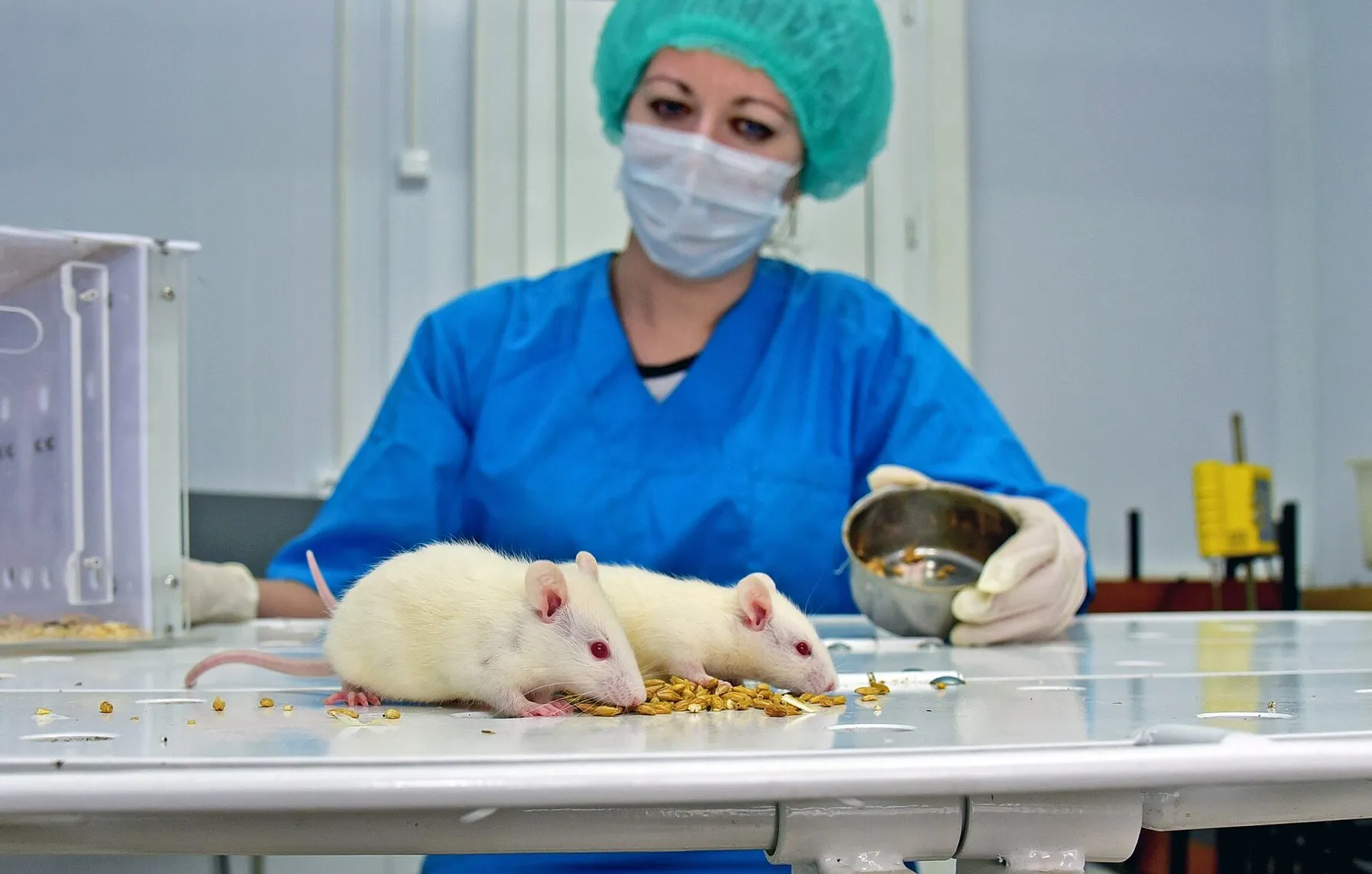
An international team led by the University of Michigan has found a new way to tackle severe fatty liver disease: start with the gut. Its drug candidate, DT-109, reversed the disease in mice and reduced liver inflammation in primates. The work, led by cardiologist Eugene Chen, was published this summer in the Journal of Clinical Investigation.
The condition is called metabolic dysfunction-associated steatohepatitis (MASH). It affects around 7% of the world’s population and can lead to cirrhosis, liver cancer or liver failure. Treatment options remain limited, which is why a drug that acts on a different part of the problem is worth watching.
How it works
The researchers confirmed that an overgrowth of a gut bacterium, Clostridium perfringens, makes the disease worse. The bacterium produces ammonia, which thins the gut wall and weakens its barrier. Harmful substances then leak through to the liver, where they over-activate immune cells called CD8+ T cells and drive inflammation.
DT-109 is a small molecule made of three amino acids that works mainly in the digestive tract. In the animals it cut levels of C. perfringens and ammonia, restored the gut barrier and limited the harmful substances reaching the liver. In primates, whose livers and gut bacteria are closer to ours, it also limited the build-up of plaque in the arteries. ‘We see clear evidence that DT-109 protects the gut epithelial barrier,’ says Chen.
What’s still missing
All the results come from animal studies: it is not yet known whether the drug is safe and effective in people. The next step is further testing so it can move towards clinical trials. If it works, the team thinks it could also help with heart disease and with gut disorders in which the intestinal barrier fails.