Cleaner air now prevents around 323,000 deaths a year, Lancet Countdown finds
Falling air pollution from fossil fuels since 2016 is preventing an estimated 323,000 deaths a year in at least 77 countries, according to the 2026 report of the Lancet Countdown, produced by 146 researchers with WHO and led by University College London. The same report warns that the harms of extreme heat are growing faster than the response: in 2023, heat was linked to a record 710,000 deaths.
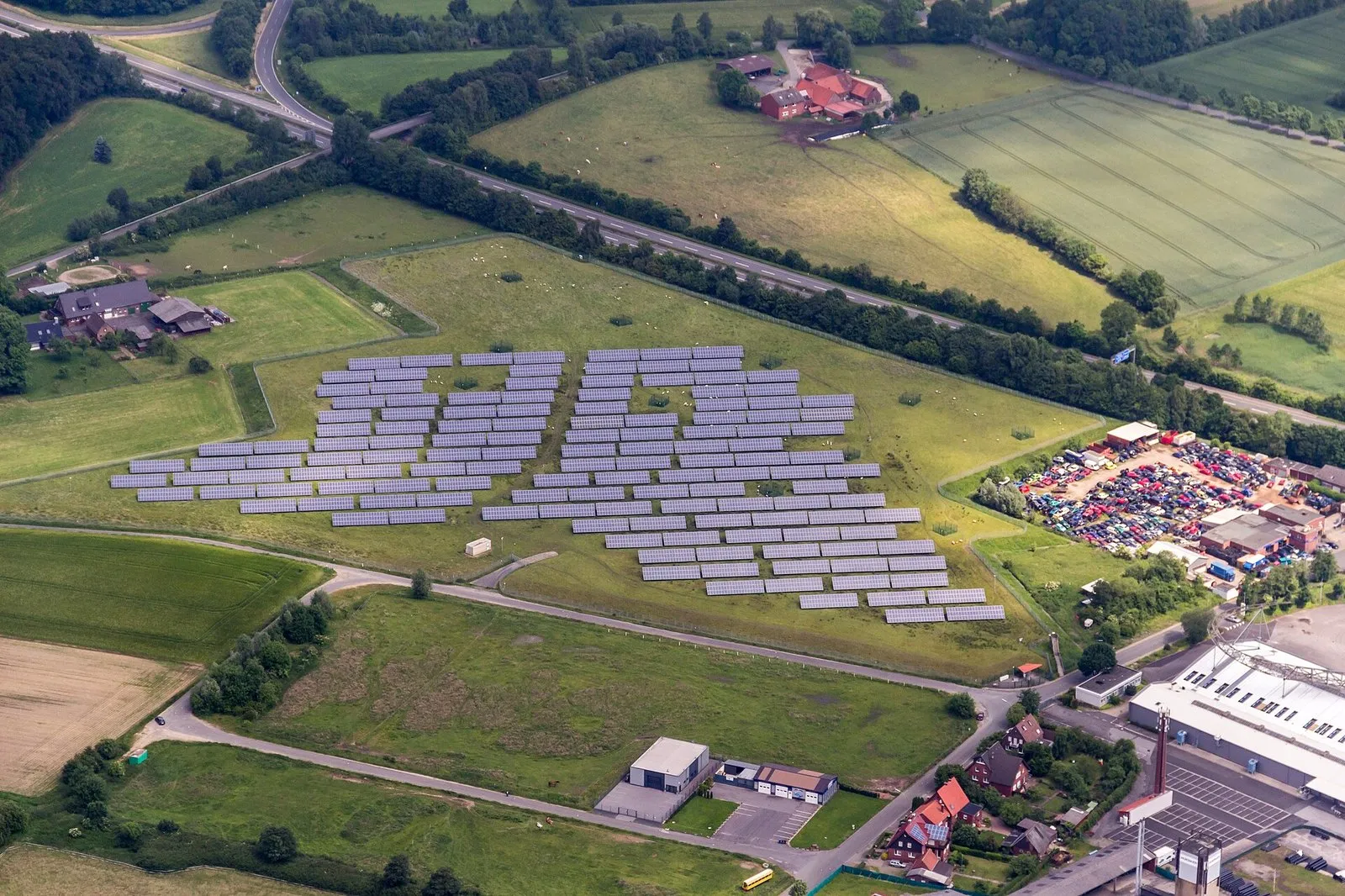
In at least 77 countries, air pollution from burning coal, oil and gas has fallen since 2016. The result, according to the 2026 report of the Lancet Countdown, is an estimated 323,000 deaths prevented every year.
The estimate comes from the tenth annual report by this group of 146 researchers from more than 100 institutions, led by University College London (UCL) and produced with the World Health Organization (WHO). And it comes with a serious caveat: many of the health risks of climate change grew faster between 2016 and 2025 than in the decade before.
Clean energy, 82% ahead
Global investment in clean energy grew 7.2% in 2025 to a record US$2.1 trillion, 82% more than the US$1.16 trillion invested in fossil fuels. Renewables rose from 5.5% of electricity generation in 2016 to 13.5% in 2023.
Even so, fossil fuels still supply more than 80% of the world’s energy, and the air pollution they cause still kills an estimated 2.73 million people a year.
From 14 to 56 plans to protect health systems
A quarter of WHO member states (56 of 194) now have a national plan for adapting health services to climate change, up from just 14 in 2015. And 75 of 145 responding countries have at least one climate-informed health early warning system; the report finds these systems are slowing the rise in deaths from extreme weather where they exist.
“A decade on, we have proof that health-centred climate action works: cleaner air, more resilient healthcare and warning systems are protecting health and saving lives globally,” said Prof Anthony Costello, Co-Chair of the Lancet Countdown.
Why it’s good news
The benefits of moving away from fossil fuels are not a distant promise: they can already be counted, in lives, in the countries where the air has improved. Clean energy and health system readiness “are already delivering health benefits to local communities,” said Prof Marina Romanello, Executive Director of the Lancet Countdown.
Heat keeps getting deadlier
The report is also a warning. Between 2016 and 2023, heat was linked to an average of 540,800 estimated deaths a year, 68% of them caused by climate change. In 2023 alone there were 710,000, a record. More than half of the world’s land (51.8%) was hit by extreme drought for at least a month in 2025.
The authors are calling for climate change to be formally recognised as a global health emergency, and for governments to put health at the centre of every climate decision. The report was published ahead of COP31, the next UN climate summit.
Sources
- The Lancet · The 2026 report of the Lancet Countdown on health and climate change (Romanello et al.)
- News-Medical · Climate change intensifies global health risks, Lancet Countdown report warns (27-10-2026)
- Economía Sustentable · La mejora del aire evitó 323.000 muertes, pero crecen los riesgos climáticos