Bogotá's libraries and Chiapas's literacy drive among six UNESCO prizes for teaching people to read
BibloRed's LEO Schools (Colombia) and Chiapas Puede (Mexico), which reaches more than 140,000 people a year, receive the International Literacy Prizes alongside projects from the Netherlands, Nigeria, Lebanon and Thailand.
UNESCO has presented its 2026 International Literacy Prizes at a ceremony in Chiapas, Mexico, marking International Literacy Day. Two of the six winners are from Latin America. Each receives US$30,000, a medal and a diploma.
The winners
King Sejong Literacy Prize
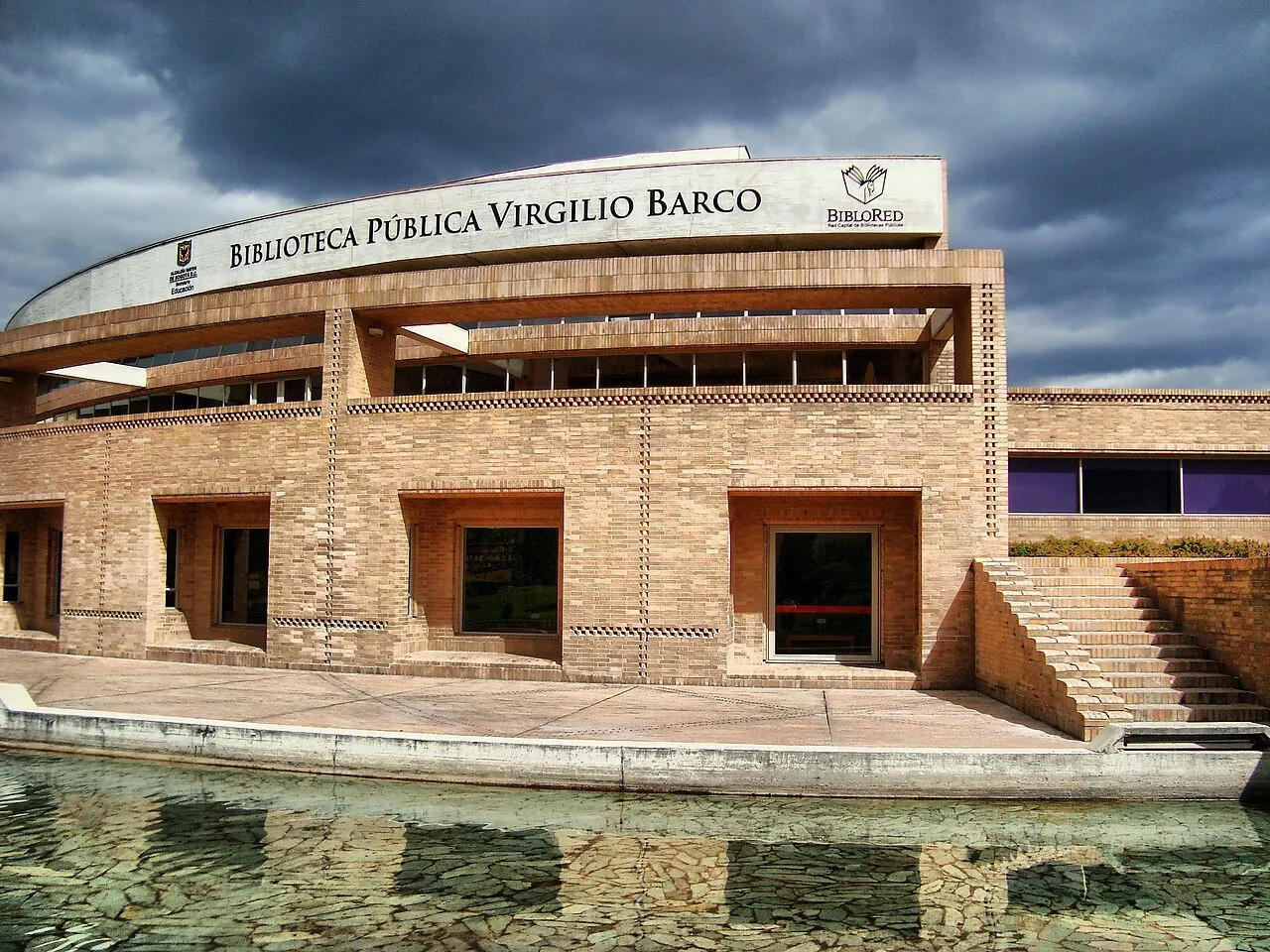
- LEO Schools, BibloRed (Bogotá, Colombia): the city’s public library network teaches reading, writing and speaking as part of neighbourhood life. Launched in 2024, it grew from 320 participants that year to 443 in 2025.
- Language Friendly School, Rutu Foundation (Netherlands): helps schools value each pupil’s home language alongside the school language. Since 2019, about 70 schools in 12 countries and more than 32,000 students.
- Project PAL (Nigeria): reached 8,500 learners between 2023 and 2025, and 82% achieved functional literacy.
Confucius Prize for Literacy
- Chiapas Puede (Mexico): the Chiapas state programme covers all 121 municipalities and reaches more than 140,000 people a year. It aims to cut illiteracy from 13.7% to 4%.
- Alsama Project (Lebanon): has educated more than 2,500 displaced young people.
- Language for Life, Hat Yai (Thailand): teaches multilingual communication for disaster resilience.
Why it matters
Reading and writing open the door to school, work and information. These prizes point to concrete projects that work and can be copied elsewhere. The ceremony took place in early September.