A cuddly crab, a sound meter and a noise traffic light: Barcelona pupils code gadgets to help their autistic classmates
At the Escola Palma de Mallorca, a state school in Barcelona, pupils have used micro:bit boards to build three devices that help autistic children calm down and cope with noise. The project, TEAstimo Molt!, has just won a 2026 Eines Award from the Autonomous University of Barcelona and now has seven prizes.
At the Escola Palma de Mallorca, a state primary school in Barcelona’s Nou Barris district, pupils don’t just learn to code: they code for their classmates. Using micro:bit boards, primary pupils have designed three devices that help children with autism spectrum disorder manage their emotions and the noise around them.
The project is called TEAstimo Molt! (a Catalan pun on “I love you so much” and TEA, the Spanish and Catalan acronym for autism). On Tuesday 20 October it received the Barcelona Provincial Council prize for digital transformation with social impact at the 2026 Eines Awards, run by the Autonomous University of Barcelona (UAB).
Three gadgets for a calmer classroom
- A portable sound meter. The micro:bit measures the noise level. When it’s acceptable, its lights show a positive icon; when it goes over a threshold, a pair of headphones appears, telling the pupil it’s time to put on noise-cancelling headphones. It was designed for a pupil who is highly sensitive to noise.
- A noise traffic light that, according to the UAB, visually regulates the volume of the whole classroom.
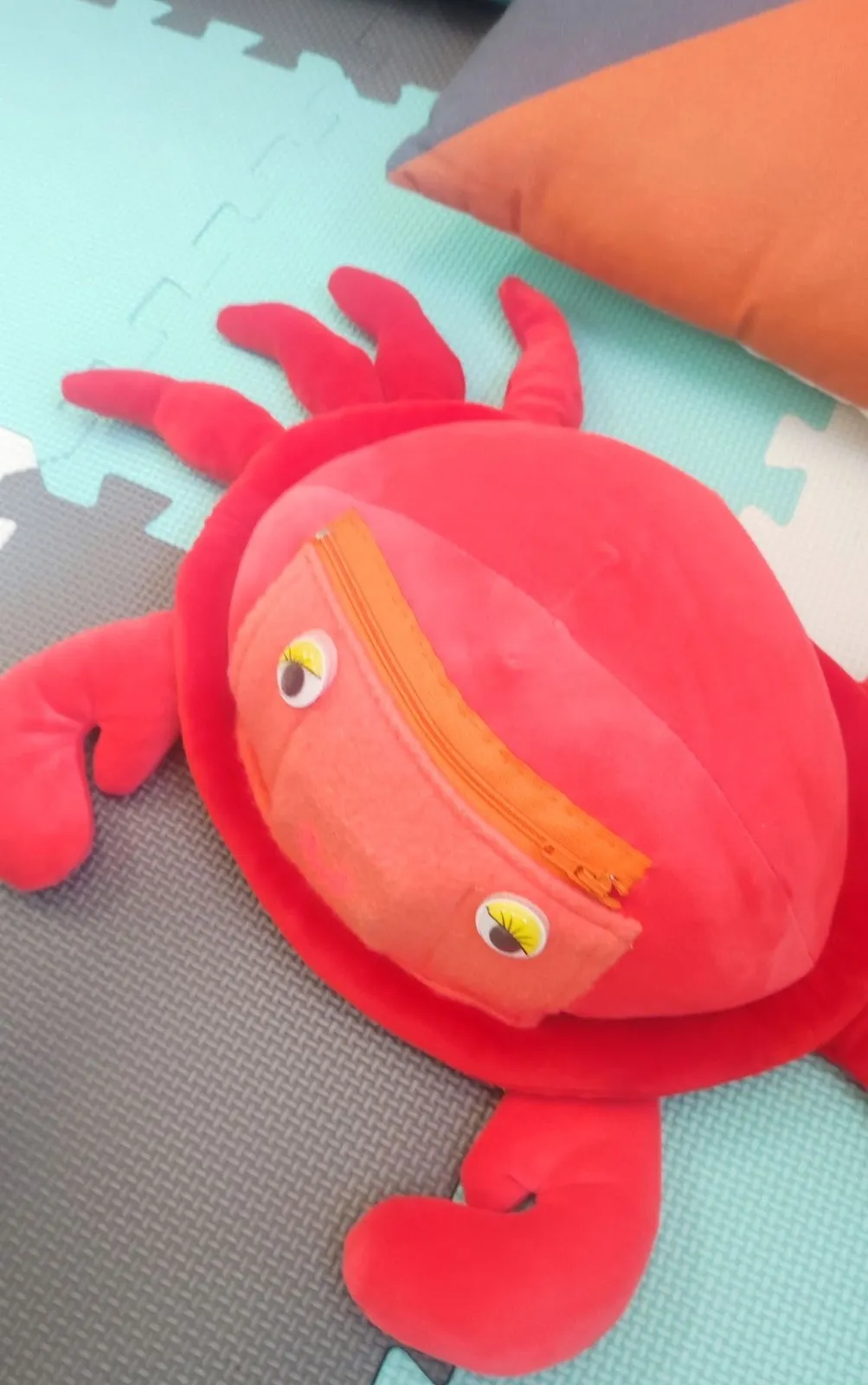
- A cuddly toy with artificial intelligence. It’s a crab called Suau (“soft” in Catalan), a word that’s easy for young children to say. It senses how it’s being moved: gentle, calm movements bring up a smiling face, rough ones a sad face, helping children connect what they do with how they feel.
Suau is now part of daily life in “The Fish Tank”, the school’s intensive inclusion support classroom, where it helps autistic children aged 4 and 5 when they feel anxious or overwhelmed. The crab was chosen on purpose: it stands for adaptability and strength, and in a fish tank, as in a school, everyone is different.
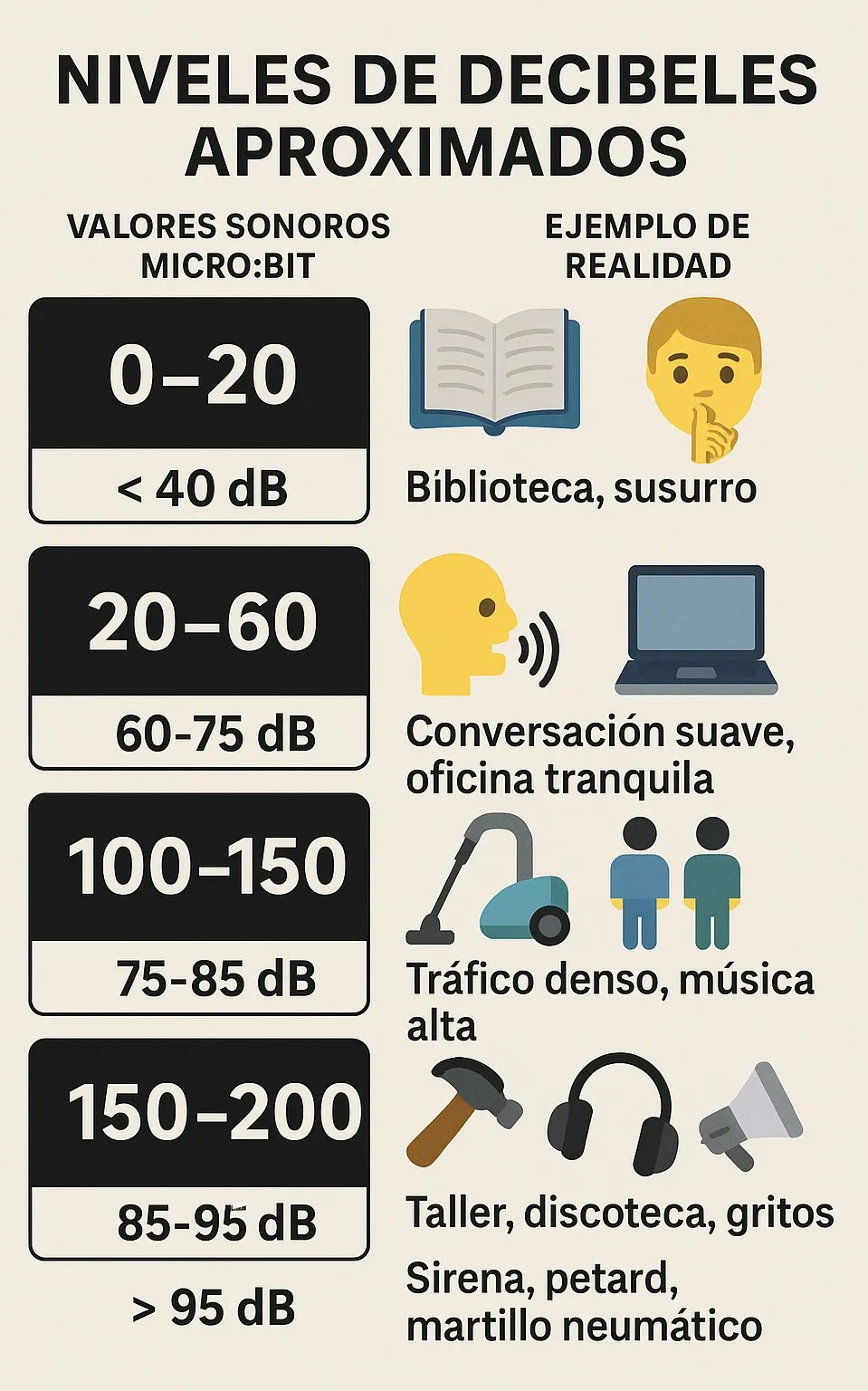
The table the pupils used to calibrate the sound meter: micro:bit readings and their approximate equivalent in decibels. Image: Escola Palma de Mallorca.
The team behind it
The project comes from a school team where inclusion and technology work hand in hand. Marina Tudela Aparicio, an inclusion support teacher, led the inclusion side, and Marc Gúdel, a primary teacher and the school’s digital coordinator, led the technology. The team also includes Sandra Puig, an inclusion support teacher, and Raúl Gómez, a special education technician.
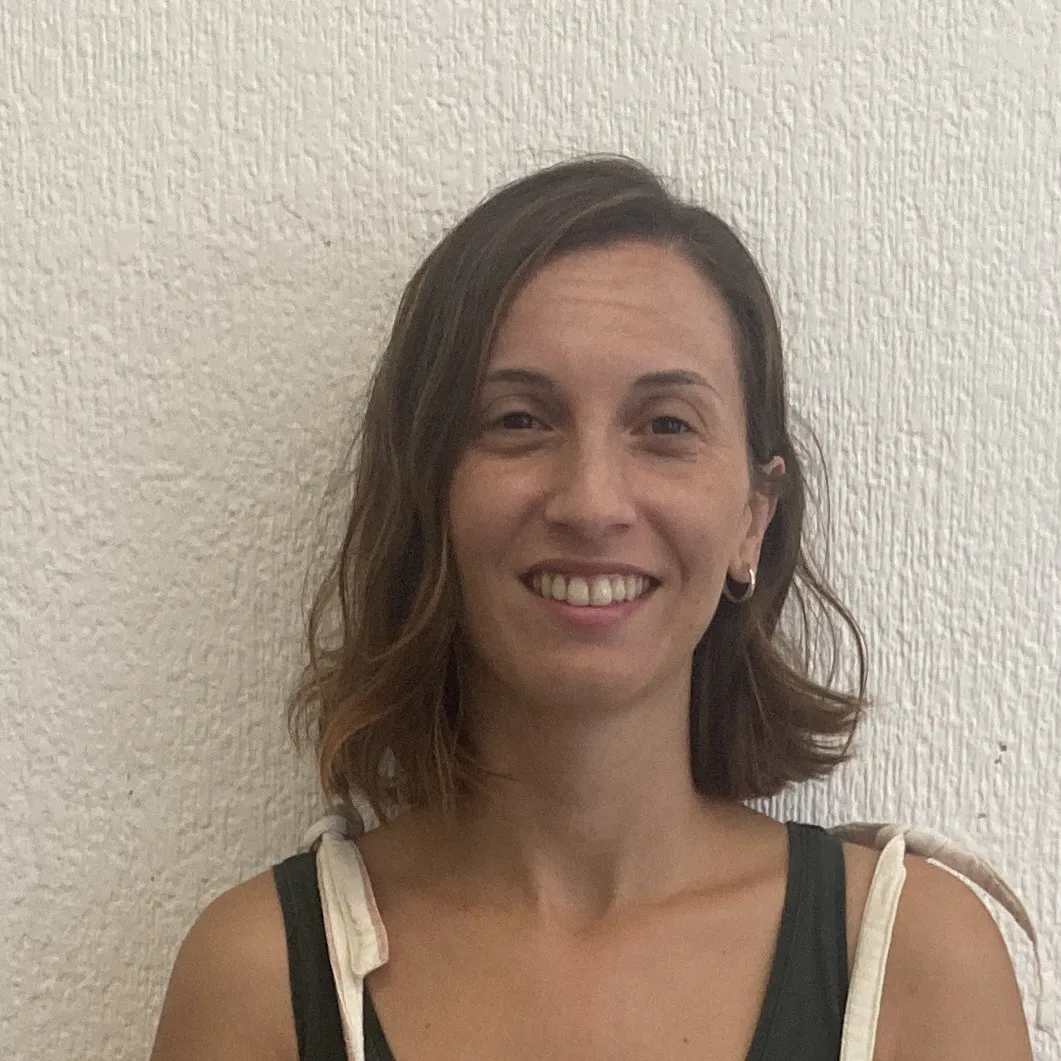
Marina Tudela Aparicio, the inclusion support teacher who led the inclusion side of the project. Photo: Escola Palma de Mallorca.
Seven prizes
Besides the Eines Award, TEAstimo Molt! has won the 2025 GIOCT Award for innovation in learning design, first prize in Spain’s National Educational Experiences Awards (digital competence), the Hermini Tudela Foundation Award for health and inclusion, first prize at Code4Spain, the ObservaIA Award and the 2026 mSchools Digital Sparks Award. Spain’s Ministry of Education has also listed it as an “inspiring educational experience”.
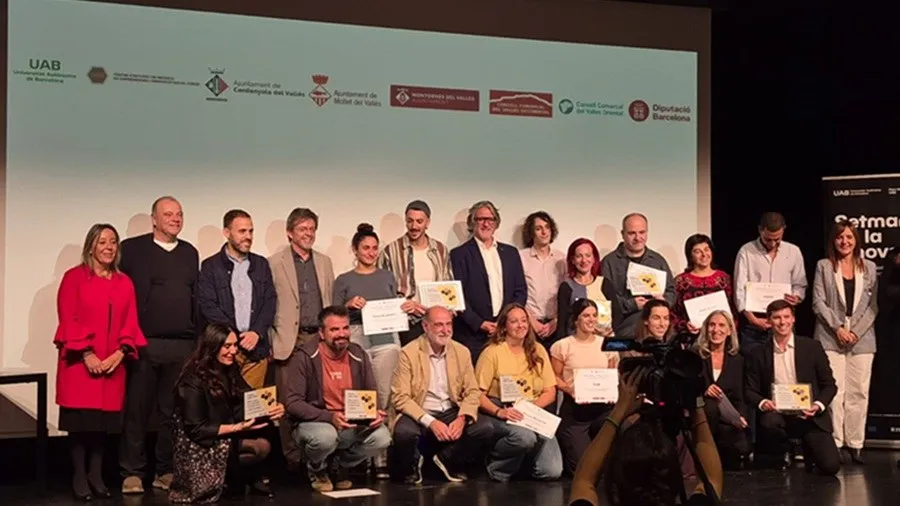
The 2026 Eines Awards winners, on 20 October at the Teatre Margarida Xirgu in Montornès del Vallès. Photo: UAB.
The best part is who builds it: children learning to code by solving a real problem for their own classmates. The school shares all the materials on its website, including the code and lesson plans, so that other schools can copy the idea.