Breastfeeding at six months is up more than 70% in Spain since 2006
Two in three babies in Spain are still breastfed at six months, up from under four in ten in 2006. Exclusive breastfeeding has almost doubled – bringing Spain close to the WHO's global target.
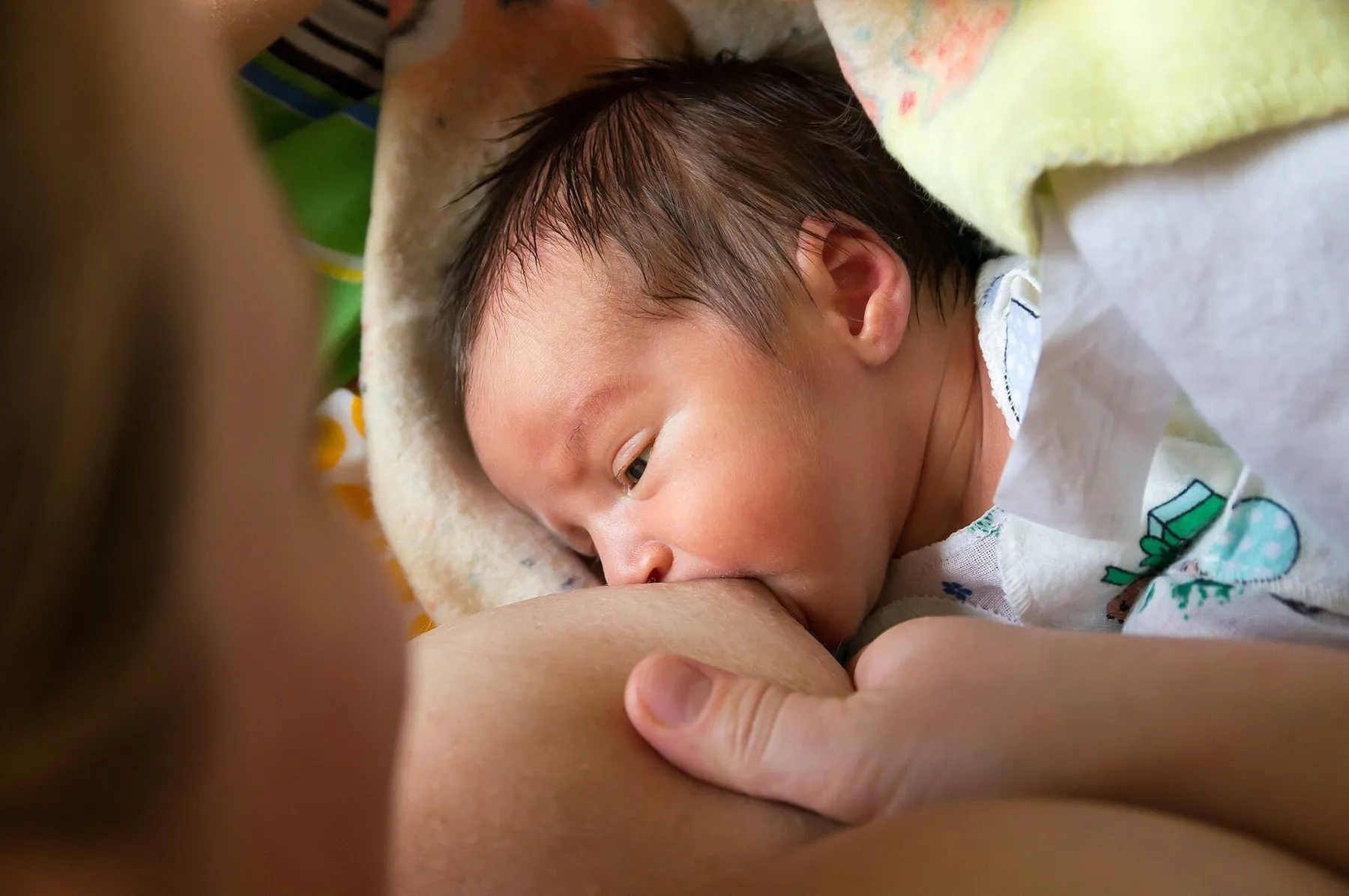
More babies in Spain are being breastfed, and for longer. At six months, 66.3% are still breastfed, up from 38.8% in 2006 – a rise of more than 70% in under two decades. The figures come from the nutrition report of the 2023 Spanish Health Survey, published by the Ministry of Health and the national statistics office (INE).
The rise shows up at every age: from 70.7% to 82.5% at six weeks, and from 64.3% to 77.4% at three months.
Why it’s good news
According to the World Health Organization, breast milk carries antibodies that protect babies from many childhood illnesses, such as diarrhoea and pneumonia. Breastfed children are also less likely to become overweight or obese, and mothers who breastfeed have a lower risk of breast and ovarian cancer.
Close to the WHO target
The WHO recommends exclusive breastfeeding for the first six months. In Spain, exclusive breastfeeding at six months has risen from around 25% to 47% – close to the WHO’s global goal of at least 50% by 2025. And the gap is closing: among less well-off households, exclusive breastfeeding at three months rose from 40.4% to 66.9%.
Not every family can or chooses to breastfeed, and all deserve the same respect. What the data show is that many more babies now get its benefits.