Baby elephants in Australia vaccinated against deadly virus for the first time
Three Asian elephant calves at Werribee Open Range Zoo, near Melbourne, are the first in Australia to receive an experimental vaccine against elephant herpesvirus, developed at Utrecht University. The virus has killed more than 90 calves in zoos in 25 years.
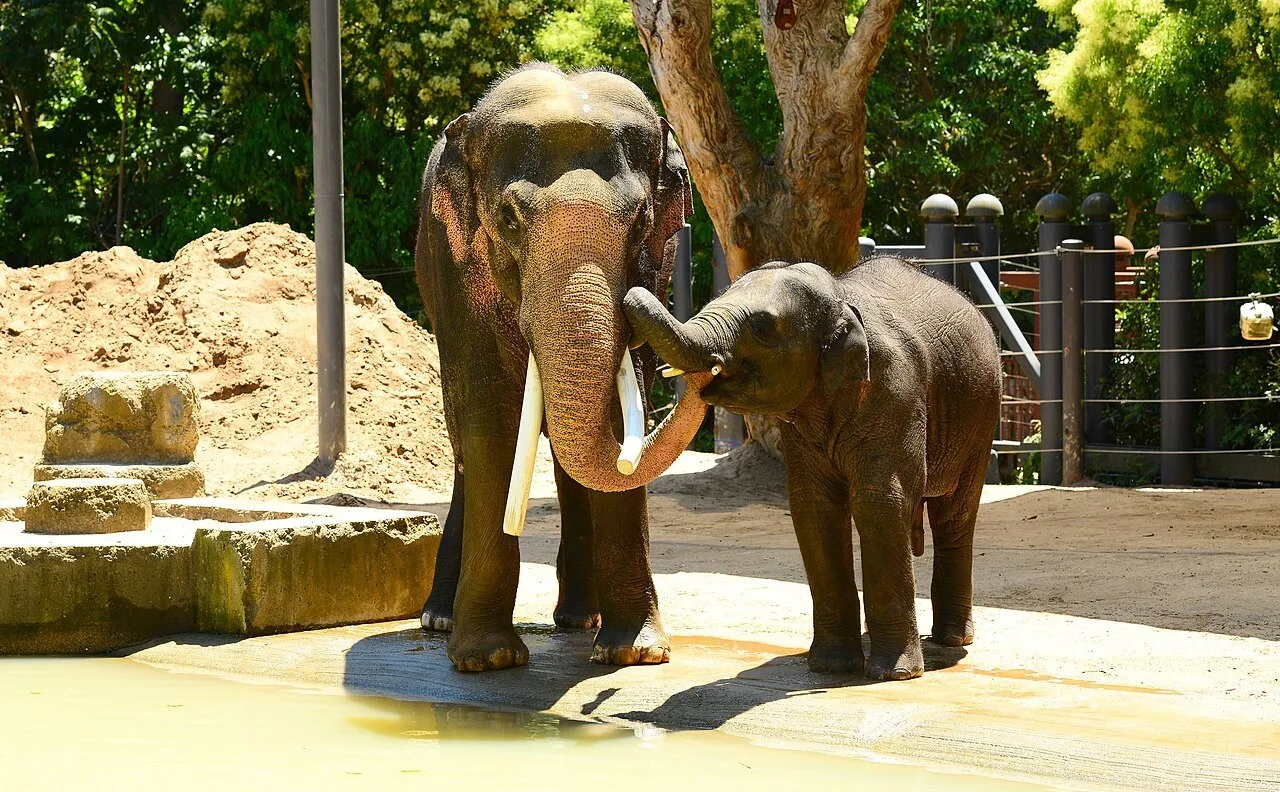
Three Asian elephant calves at Werribee Open Range Zoo, near Melbourne, have become the first in Australia to be vaccinated against elephant endotheliotropic herpesvirus (EEHV), one of the biggest killers of young Asian elephants in zoos.
A dreaded virus
“All elephants have this virus or get this virus somewhere during their lives,” says Tabitha Hoornweg, a veterinary scientist at Utrecht University in the Netherlands, who leads the vaccine work. In calves it can cause a haemorrhagic disease that has no cure and can kill within 24 hours.
Over the past 25 years it has killed more than 90 calves in zoos worldwide, and an estimated 100 to 150 in the wild.
The keepers know the pain first-hand: three years ago they lost Man Jai, a nine-year-old male from the herd. Since then the elephants have had weekly tests. “It’s his legacy,” says Lucy Truelson, an elephant keeper at Zoos Victoria.
Vaccination day
Among the calves is Roi-Yim, son of Mali, the first elephant born at Melbourne Zoo. The herd moved to a 21-hectare home at Werribee in 2025. The vaccine is given by syringe into the skin of the thigh and trains the immune system to recognise the virus. Afterwards, the calves got their reward: two kilos of fruit and vegetables.
What we know so far
- In 2024 it was tested on six adult elephants at Dutch zoos, with no serious side effects.
- Eleven calves in Europe have now received it.
- The big question is whether it protects calves from the disease. That is what the trial, now joined by Australia, is studying. Teams in the US and UK are working on other vaccines.
Why it matters
Asian elephants are endangered. An effective vaccine could save many calves in zoos and, one day, in the wild too, where the virus causes the same disease.